VIDEO | Dopo la morte di Camilla è panico AstraZeneca, Italia (e governo) nel caos
E’
sicuro? Si può fare? Meglio cambiare vaccino per la seconda dose? E’
panico AstraZeneca in Italia. Al momento nessuno sa cosa fare e quali
decisioni prendere…
Camilla Canepa è la 18enne di Sestri Levante morta dopo essere stata
colpita da una trombosi pochi giorni dopo aver ricevuto la prima dose
del vaccino AstraZeneca. Nelle scorse ore si è saputo che la ragazza
soffriva di piastrinopenia autoimmune familiare e assumeva una doppia
terapia ormonale. Lo aveva comunicato alla persona che le ha fatto il
vaccino? Qualcuno aveva chiesto a Camilla se soffrisse di qualcosa?
Anche a questi interrogativi si dovrà dare risposta.
Intanto il vaccino AstraZeneca ha creato nuovo panico in Italia: è
sicuro? Si può fare? Meglio cambiare vaccino per la seconda dose?
Anche la politica è nel caos più totale. Al momento nessuno sa cosa fare.
“Su AstraZeneca serve una decisione chiara e univoca. Dobbiamo dire
agli italiani esattamente a chi si puo’ somministrare questo vaccino,
basta approssimazioni”, afferma il presidente della Liguria e leader di
Cambiamo, Giovanni Toti.
Vincenzo De Luca, governatore della Campania, durante la sua consueta
diretta Facebook: “Oggi dobbiamo porci un quesito. Tutto coloro sotto i
60 anni che hanno fatto la prima dose di vaccino AstraZeneca… cosa
devono fare? Non so a chi rivolgere questa domanda, se ad un generale
dell’esercito o a un medico, o a uno scienziato che risponde sotto il
profilo medico-scientifico?”.
“Noi attendiamo il pronunciamento del Cts, che non è competente per
esprimersi sui vaccini. La competenza – sottolinea De Luca – è
dell’Aifa, quindi in questo momento io dovrei sapere dall’Aifa cosa
dobbiamo fare con il vaccino AstraZeneca”.
Ed eccole le indicazioni che arrivano dal Cts: “Per la seconda dose
dei soggetti che hanno già ricevuto un vaccino AstraZeneca, considerata
la disponibilità di piattaforme vaccinali alternative e rispettando il
principio di massima cautela rispetto alla salute degli italiani, si è
deciso di raccomandare la seconda dose solo per i soggetti oltre 60 anni
di età. Per tutti gli altri, pur in assenza di segnali di allerta,
raccomandiamo l’ipotesi di vaccini di altro tipo”. Lo ha detto il
coordinatore del Cts, Franco Locatelli, durante la conferenza stampa
sulla campagna vaccinale e l’andamento epidemiologico.
Roberto Speranza, ministro della Salute: “In questa fase noi
continueremo ad utilizzare il vaccino AstraZeneca secondo le indicazioni
e raccomandazioni del Cts che tradurremo in maniera perentoria per
l’utilizzo sui territori. La valutazione dei nostri scienziati sara’ poi
gradualmente aggiornata e verificheremo l’evoluzione della campagna di
vaccinazione nel quadro epidemiologico e anche le opportunita’ di
acquisti rispetto all’iniziativa Europea per la prossima annualita’. Ma
in questo momento noi continuiamo ad utilizzare il vaccino AstraZeneca
nelle modalita’ che sono indicate dalla raccomandazione del Cts”.
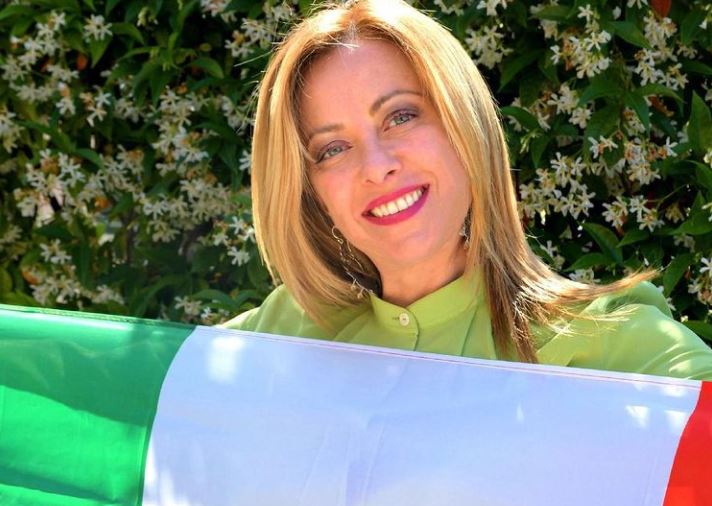
La verità è che al governo la confusione è totale. Ha gioco facile
Giorgia Meloni a puntare il dito contro l’esecutivo: “Penso che sia
scandaloso il pressappochismo con cui si è trattata fin qui una vicenda
così seria” come quella di AstraZeneca, “i cittadini meritano serietà su
questa materia, ho chiesto che il governo e Speranza vengano a riferire
immediatamente in Parlamento e si assumano le responsabilità delle loro
scelte, non ne possiamo più di sentire ogni giorno esperti che dicono
tutto e il contrario di tutto sulla pelle dei cittadini”.
“Penso che bisogna aprire anche un discorso serio, non ideologico,
sulla vaccinazione di massa dei bambini: penso – ha aggiunto la leader
di Fratelli d’Italia – che la politica abbia bisogno di un dibattito
serio e spero che Speranza venga”.
L’EDITORIALE di Ricky Filosa: “Fdi primo partito del centrodestra, ora Giorgia Meloni vuole palazzo Chigi”
Secondo
un sondaggio Ipsos, alla fine il sorpasso c’è stato: Fratelli d’Italia
supera la Lega, piazzandosi al secondo posto dopo il Pd. Un dato che è
destinato a stravolgere gli equilibri del centrodestra, soprattutto se
il distacco tra Fdi e Carroccio dovesse crescere e consolidarsi. Giorgia
Meloni intanto continua a fare opposizione al governo Draghi e a
conquistare sempre più consensi, rubandoli alla Lega ma non solo. Lei
punta a palazzo Chigi: vuole essere il primo premier donna della
Repubblica Italiana
Pd primo partito d’Italia. Lo dice un sondaggio Ipsos pubblicato sul quotidiano La Stampa. Ma la vera notizia è che secondo lo stesso sondaggio Fratelli d’Italia supera la Lega e si piazza al secondo posto della classifica generale, al primo posto di quella tutta interna al centrodestra. Italia Viva, intanto, precipita all’1,8%. Al senatore toscano gli italiani, almeno attraverso i sondaggi, stanno inviando un messaggio chiaro, netto: sparisci.
Eccoli tutti i dati: il Pd risulta il primo partito
con il 20,8 (+0,8) seguito da FdI 20,5 (+1) e Lega 20,1 (-0,4). Tra gli
altri, Art. Uno 1,4 (-0,2); SI 1,8; +Europa 1,3 (-0,3); Iv 1,8; Azione
2,8. Europa verde 1,2; Forza Italia 9,2 (-0,6); M5s 14,2 (- 0,6). Per le
coalizioni, il centrosinistra ‘allargato’ viene dato al 45,3 e il
centrodestra al 49,8.
Dunque Meloni supera Salvini. Il calo della Lega nei
sondaggi appare inesorabile, tanto quanto la crescita di Fdi. Questo
inciderà sicuramente, probabilmente lo sta già facendo, sulle scelte
future del capo delle camicie verdi, che punta a fare il presidente del
Consiglio e che non vuole certo perdere la supremazia all’interno della
propria coalizione.
Non solo: il sorpasso di Fdi sul Carroccio è destinato a stravolgere gli equilibri interni al centrodestra:
Salvini non può permettersi di continuare a perdere consensi. Proprio
per questo, se il distacco tra Fdi e Lega dovesse aumentare e
consolidarsi, potrebbe essere tentato di strappare in futuro: lasciare
il governo e trascorrere un periodo di tempo all’opposizione, per
cercare di recuperare. Vedremo.
Certo, dalle parti del Partito Democratico esprimono soddisfazione
di fronte ai dati del sondaggio: “Da quattro anni non vedevamo un
sondaggio che ci dava primo partito e ora invece c’è, vuole dire almeno
che noi ci siamo. E ce la giochiamo. Non è vero che siamo ai margini come ci raccontano…”. Parole del segretario Pd Enrico Letta, che poi ha aggiunto: “Non credo all’importanza dei sondaggi, ma Ipsos è un sondaggista credibile: forse il più credibile”.
Meloni intanto non si distrae e continua a portare avanti la sua
opposizione a questo governo. Critica il caos vaccini, punta il dito
contro l’intenzione del governo di reintrodurre l’odiato e iniquo
redditometro…
Giorgia vuole continuare a crescere, vuole capire qual è il tetto. Il
suo obiettivo, ovviamente, è palazzo Chigi; è quello di diventare la prima donna premier della Repubblica Italiana.
Ce la farà? Lei che non solo è donna, ma è anche la persona attorno a
cui si stringe la destra italiana. Se anche raccogliesse i voti
necessari, lo consentirebbero i cosiddetti poteri forti, i giornaloni,
l’Europa? La partita per vincere al prossimo giro è già cominciata.
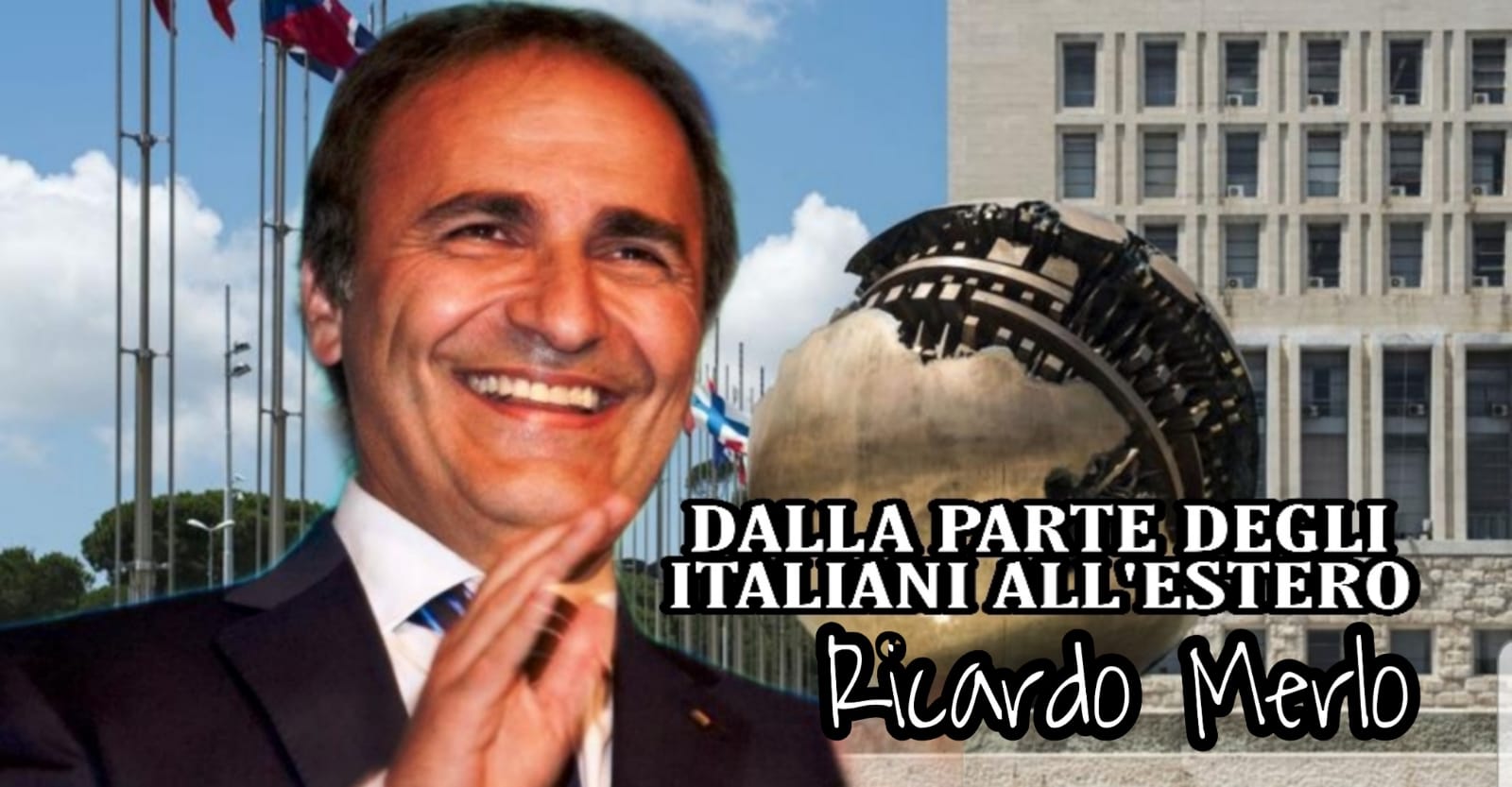
Farnesina, nuove assunzioni. Merlo (MAIE): “Nostro lavoro al governo continua a portare risultati”
Sen.
Ricardo Merlo, presidente MAIE: “Nuovo personale che contribuirà a
rendere più agile e veloce il lavoro presso le nostre sedi
diplomatico-consolari nel mondo, migliorando i servizi consolari e
quindi la qualità di vita dei nostri connazionali oltre confine”
“In arrivo un nuovo bando interno, al ministero degli Esteri, che apre a 400 nuovi posti per l’estero.
Dunque, dopo le recenti 248 nuove assunzioni – tra funzionari
amministrativi, contabili, consolari – e dopo il concorso che a breve
consentirà l’assunzione di 27 funzionari informatici, è in arrivo nuovo personale che contribuirà a rendere più agile e veloce il lavoro presso le nostre sedi diplomatico-consolari nel mondo, migliorando i servizi consolari e quindi la qualità di vita dei nostri connazionali oltre confine. Che poi è l’obiettivo per cui abbiamo sempre lavorato come Movimento Associativo Italiani all’Estero. Evidentemente il lavoro svolto dal MAIE all’interno dei governi Conte 1 e 2 continua a dare i suoi frutti”. Lo dichiara in una nota il Sen. Ricardo Merlo, presidente MAIE, ex Sottosegretario agli Esteri.
Farnesina, nuove assunzioni. Merlo (MAIE): “Nostro lavoro al governo continua a portare risultati”
Sen.
Ricardo Merlo, presidente MAIE: “Nuovo personale che contribuirà a
rendere più agile e veloce il lavoro presso le nostre sedi
diplomatico-consolari nel mondo, migliorando i servizi consolari e
quindi la qualità di vita dei nostri connazionali oltre confine”
“In arrivo un nuovo bando interno, al ministero degli Esteri, che apre a 400 nuovi posti per l’estero.
Dunque, dopo le recenti 248 nuove assunzioni – tra funzionari
amministrativi, contabili, consolari – e dopo il concorso che a breve
consentirà l’assunzione di 27 funzionari informatici, è in arrivo nuovo personale che contribuirà a rendere più agile e veloce il lavoro presso le nostre sedi diplomatico-consolari nel mondo, migliorando i servizi consolari e quindi la qualità di vita dei nostri connazionali oltre confine. Che poi è l’obiettivo per cui abbiamo sempre lavorato come Movimento Associativo Italiani all’Estero. Evidentemente il lavoro svolto dal MAIE all’interno dei governi Conte 1 e 2 continua a dare i suoi frutti”. Lo dichiara in una nota il Sen. Ricardo Merlo, presidente MAIE, ex Sottosegretario agli Esteri.
Il governo Draghi è apparso fin da subito un mostro
multicefalo, con molte, moltissime teste. Quante? La scelta è a piacere.
Si può dire indifferentemente, restando nella metafora mitologica, che
sia infatti un governo bicefalo, a due teste, perché tecnico e politico.
O tricefalo, perché di sinistra-centro-destra, o viceversa, non fa
differenza. O quadricefalo, se alle tre componenti si aggiunge il nucleo
dei ministri tecno-bancari. O infine, per l’appunto, multicefalo, se si
mettono nel conto i numerosi variopinti gruppetti centristi, di cui
nasce e muore uno al giorno. Considerando la quasi unanimità
parlamentare, si potrebbe parlare persino di un supermitologico drago di
ben 797 teste, quanti sono stati i Sì nei due rami del Parlamento.
Quale Heracles potrà sconfiggerlo? Il mostro dell’Idra di Lerna, ucciso
dal divino eroe greco, figlio di Zeus, ne aveva solo 9, anche se a ogni
testa tagliata ne spuntavano due: ovviamente, ogni profana somiglianza
con quanto attualmente in corso da noi in 5s, Pd e Leu è puramente
casuale.
Ma il governo Draghi porta in sé anche i segni catechistici
della Santa Trinità. Chi l’ha generato? L’ha generato Mattarella, il
Padre, dopo aver improvvisamente cancellato la minaccia di elezioni
anticipate e affossato l’ancora possibile Conte ter. Lo ha poi benedetto
Berlusconi, il decaduto alter deus già protettore delle
Olgettine nipotine di Mubarak certificate dall’allora maggioranza
filo-berlusconiana in Parlamento: ne sa qualcosa, tra gli altri,
l’avvocato Sisto, accanito antigiustizialista difensore dell’ex premier
nel processo barese sulle escort, e oggi, ma guarda un po’!, nominato da
Draghi proprio sottosegretario alla Giustizia. Ѐ da tale afflato
religioso che è nato il premier Draghi, il divin Figlio, che, guidando
il governo dall’«alto» celestiale del suo «profilo», non ha tardato a
generare a sua volta il suo Figliuolo, il generale alpino fulmineamente
assunto a Commissario straordinario al posto di Arcuri, silurato senza
motivazione alcuna. Sorge inquietante la domanda: siamo ai primi tratti
di un infausto futuro governo tecnico-politico-militare, sconosciuto
alla storia della Repubblica né previsto dalla Costituzione? Infine,
dopo il quasi-scandalo del copia-incolla di un pezzo giornalistico
dell’economista ultraliberista Giavazzi nel suo solenne discorso alla
Camera, che cosa fa Draghi? Non chiarisce agli italiani né spiega il
come e il perché dell’accaduto, ma nomina proprio Giavazzi suo
consigliere economico. Bisogna dedurne che il suo è un governo, oltre
che tecno-politico e con un tocco (o tacco?) militare, anche
ultraliberista?
Comunque, un «profilo così alto», inarrivabile, quello di Draghi, che
si potrebbe, senza troppo esagerare, conferirgli il titolo di Sua
Altezza reale, in rimembranza dei monarchi d’ancien régime,
chiusi nelle loro regge, invisibili al popolo-bue e il cui dito di
comando era il dito di Dio. Quei monarchi amavano parlare al popolo solo
attraverso i propri ministri ed emissari: sarà per questo motivo che il
primo Cpcm firmato Draghi, Draghi l’ha fatto illustrare da due dei suoi
ministri? O che dopo 15 giorni di totale silenzio-assenza, si sia l’8
marzo degnato di farsi vivo agli italiani solo in un astrale
video-messaggio, quasi ad imitazione del Presidente supergalattico
fantozziano? Non sembra eccessivo, a questo punto, riassumere il governo
Draghi con l’acronimo SMD = San-Mario-Draghi, o Super-Mario-Draghi, o
Sua-Maestà-Draghi.
Un governo, per parafrasare Pirandello, di uno, di tutti e di nessuno.
A) Di tutti (o quasi): mi riferisco ai partiti e parlamentari, quasi
tutti, che, supportati dalla stampa-tv d’establishment, come un sol uomo
si sono inginocchiati alla Sacra Icona, già prima della sua prima
apparizione, già prima di apprendere, nel discorso alla Camera, il suo
Verbo salvifico. «Un fuoriclasse», «il nostro Ronaldo», così ha detto il
leghista-draghista della prim’ora Giorgetti, poi presto remunerato col
Mise. La sua metafora calcistica mi ha ricordato la «Chiesa di
Maradona»: Giorgetti il primo officiante della «Chiesa di Draghi Santo
subito»? Una nuova forma di ateismo devoto filo-draghista si sta
diffondendo in Italia? Certo è che nel «dibattito» alla Camera si è
assistito al più fulgido esempio di cretinismo devozional-parlamentare,
quello esibito dal deputato vivitaliota Faraone: «Lei, Draghi, è il
nostro Mes!»: voleva forse dire Messia, ma gli si è inceppata la lingua
sulla prima sillaba. A parte qualche eretico pentastellato o di
sinistra, nessuno, nemmeno un Fratello o una Sorella d’Italia ha osato
finora criticare seriamente il Santo Salvatore della Patria.
B) Di uno: di Draghi, il Tecno-Banchiere, al centro del piccolo
cerchio dei suoi 5 ministri supertecnici, in realtà tanto poco super da
sembrare i suoi avatar. Un governo quasi plebiscitario, si direbbe, di
tipo bonapartistico: «un uomo solo al comando», catapultato
dall’esterno, dai caveaux delle banche, estraneo al Parlamento,
ai partiti e agli elettori, un premier al limite estremo del dettato
costituzionale. Simile al Dio ineffabile della mistica cristiana nel
quale gli opposti contraddittori coincidono (A=non-A): europeisti e
anti-europeisti, ecologisti e sviluppisti, capitalisti e lavoratori (che
Draghi, aduso al linguaggio neo-liberista, stavo per dire
neo-orwelliano, chiama non a caso «capitale umano»), democrazia e
oligarchia, neo-keinesismo (il Draghi allievo di Caffè?) e
neo-mercatismo (il Draghi vice di Trichet?), tutto e il contrario di
tutto.
C) Di nessuno: «hic Rhodus hic salta». Ѐ ancora troppo
presto per giudicare, ma in ogni singola decisione Draghi non potrà non
fare scelte volta per volta di destra o di sinistra, accontentando
qualcuno e scontentando altri. Il decreto ristori, per esempio, già
pronto per la firma sul tavolo di Conte, ora da Draghi è rinviato sine die,
non si sa bene perché, danneggiando i più bisognosi, che l’aspettano da
dicembre scorso: dov’è e a favore di chi il presunto efficientismo
dell’ex-presidente della Bce? E quale efficientismo, poi, se Draghi,
sebbene circondato da supertecnici e supercompetenti, ha chiesto per
l’attuazione del Recovery Plan la consulenza tecnica dell’agenzia
straniera McKinsey, peraltro eticamente «poco pulita»? L’avesse fatto
Conte, sarebbe stato massacrato dalla destra-centro e dalla stampa
sovranista e d’establishment.
Dai fatti prossimi venturi capiremo meglio se Draghi adotterà
politiche, semmai le adotterà, che tendono a favorire le fasce sociali
più deboli (il che sembra improbabile, date le premesse) o se farà il
gioco dei poteri forti finanziari e confindustriali, che lo hanno
fortemente voluto a Palazzo Chigi, con le fauci spalancate in vista dei
miliardi europei. Le avvisaglie non sono tranquillizzanti, a sinistra.
Peraltro, all’emergenza sanitaria e al Recovery Plan sono legati tutti
gli altri problemi, che Draghi difficilmente potrà eludere: dalla sanità
(pubblica o privata?) al fisco (progressivo o ispirato alla flat tax?),
dall’economia (puntare sul Nord più ricco o sul recupero del
Mezzogiorno?) all’ecologia (green o washing economy?) e
così via. Non basta il come, cioè l’eventuale rapidità ed efficienza
nella risoluzione dei problemi, che finora scarseggia nell’attività
governativa, conta ancora di più il che cosa e le finalità.
[Foto di ANSA/EPA Francesco Ammendola – Ufficio per la Stampa e la Comunicazione della Presidenza della Repubblica]
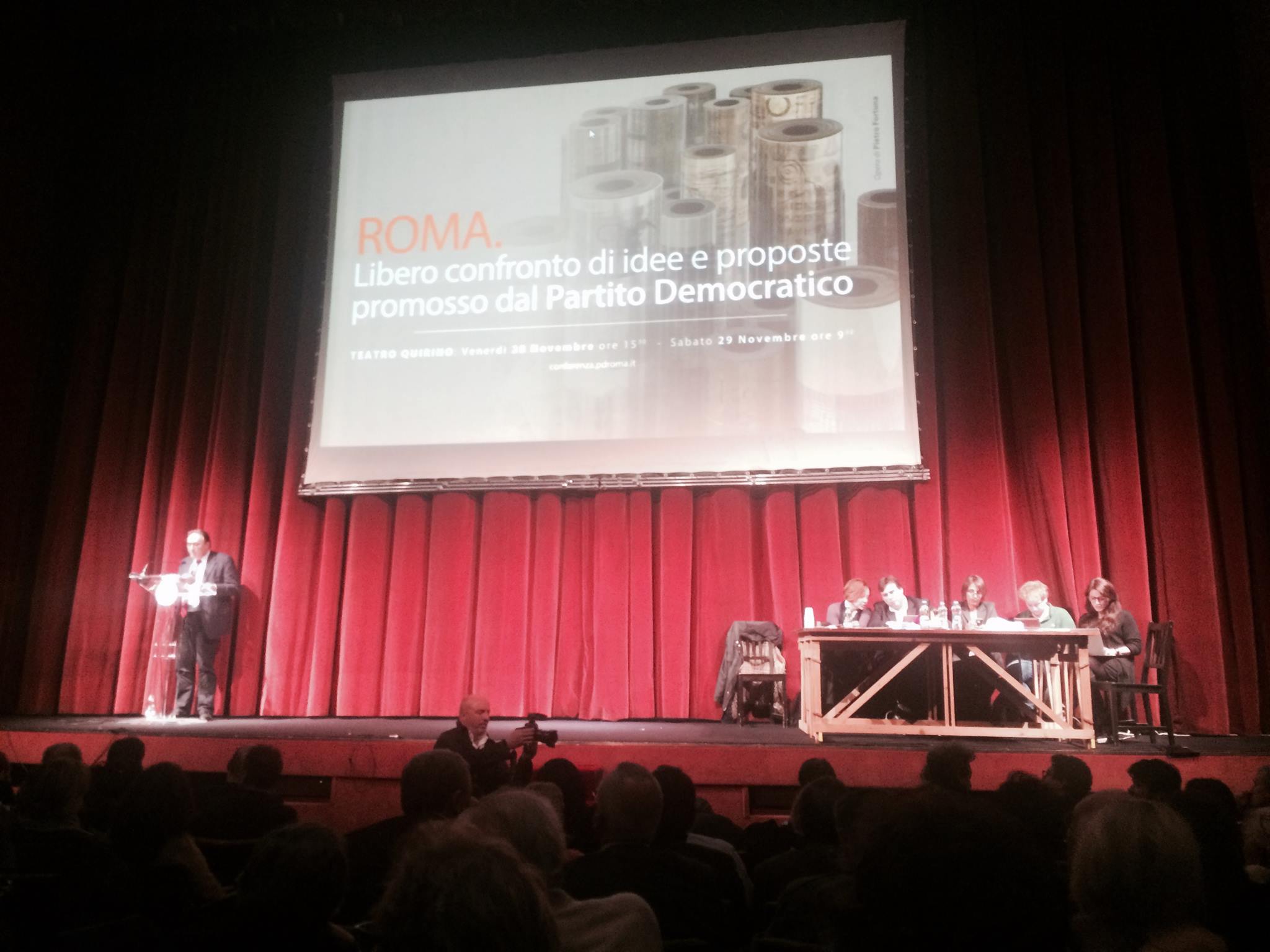
Chiediamo agli uomini e alle donne
del Partito Democratico – ma lo faremo con i militanti di tutti gli
altri partiti che manifesteranno il loro interesse – di lavorare per
riportare questa città nel perimetro delle regole, della
partecipazione e del primato dell’interesse generale. Se ci
riconosciamo tutti in questa stella polare, le nostre bussole non
possono che condurci sulla stessa strada, da percorrere – pur nella
diversità dei ruoli e delle convinzioni – all’insegna del confronto e
dello scambio. E’ una sfida difficile, ma l’unica possibile. E questa
città si merita il tentativo.
CARTEINREGOLA Non siamo
un’associazione, non siamo una rete, nè un coordinamento che rappresenta
dei comitati, ma un laboratorio. Una trentina di persone provenienti da
reti e comitati cittadini (130), ma anche singoli, che lavorano
insieme sulle regole. Rispetto a tante altre realtà cittadine abbiamo
due caratteristiche “originali”. La prima: rappresentiamo un campione di
umanità piuttosto eterogeneo, che farebbe la gioia dei sondaggisti.
Proveniamo da varie parti di Roma, siamo cittadini attivi per i motivi
più disparati, siamo diversi anche per percorsi professionali,
estrazione sociale e storie personali. Ci sono tra noi esponenti di
comunità territoriali, professori universitari, operatori dei mercati
rionali, architetti, membri di comitati di quartiere, botanici,
rappresentanti di reti di associazioni che si occupano di mobilità,
legalità, diritti, ex manager, Cittadinanzattiva Lazio e molti altri.
La seconda: non ci occupiamo di un territorio specifico, o di
problematiche specifiche, su cui lavorano i comitati e gruppi, ma di
temi che riguardano in generale l’interesse della città, soprattutto
quelli di cui troppo spesso nessuno si preoccupa perché non vanno a
toccare interessi specifici di categorie e di gruppi di cittadini.
LE REGOLE E L’INTERESSE PUBBLICO Al
centro del nostro lavoro – che consiste nell’affrontare problemi ma
anche avanzare proposte – ci sono le regole uguali per tutti, regole
che sono la condizione indispensabile per la vita democratica della
città, ma che per noi non sono sufficienti. Basti citare la metafora
della democrazia americana, sempre utile per capire i rischi di una mera
regolazione dell’esistente: un cortile dove pulcini ed elefanti hanno
lo stesso diritto di giocare. Noi siamo per una politica della città che
si fonda sulle regole, sulla legalità e sulla partecipazione dei
cittadini, orientata al primato dell’interesse pubblico e della tutela
dei più deboli, senza il quale il ruolo della politica e
dell’amministrazione rischia di ridursi a semaforo che regola il
traffico dei tanti interessi particolari, senza imprimere alcuna
direzione verso una prospettiva migliore per tutti.
IL DIFFICILE DIALOGO CON LA POLITICA E
proprio questo è il nodo che pensiamo abbia allontanato i cittadini
dalla politica, creando un clima generalizzato di sfiducia verso le
istituzioni e anche verso i partiti. Secondo un sentire diffuso, con
cui ci confrontiamo ogni giorno, nelle istituzioni e nei partiti
prevale sempre più una logica condizionata dagli interessi dei
potentati economici e delle lobbies, o da più modesti calcoli di
consenso elettorale, o dalle competizioni dentro e fuori gli
schieramenti. Mentre è stata quasi definitivamente archiviata quella
che avrebbe dovuto essere la loro vocazione naturale, lo stimolo verso
un’evoluzione permanente per attuare i valori della nostra
Costituzione, a partire dalla giustizia e dall’ equità sociale. Una
politica in cui non si distinguono più molto le differenze ideologiche,
che vede tutti i partiti accontentarsi di una mera gestione
dell’esistente, troppo spesso su fronti che hanno ben poco di interesse
pubblico e molto di profitto privato.
Non vogliamo con questo idealizzare la
società civile, che a sua volta è un magma indistinto in cui si possono
trovare gruppi animati da autentico senso civico, insieme a
raggruppamenti più o meno momentanei di cittadini tesi a raggiungere
uno scopo preciso, spesso senza porsi alcuna domanda rispetto ai
diritti di altri e agli interessi generali (la cosiddetta sindrome
Nimby, in realtà meno diffusa di quello che si crede), e anche – bisogna
dirlo – tanti comitati che con facciate di società civile mimetizzano
gruppi animati o promossi da esponenti politici. Ne abbiamo avuto un
esempio nella recente manifestazione contro il degrado e l’immigrazione
“fuori controllo”, lanciata anche da organizzatori di ronde ed ex
consiglieri di destra – come noi stessi abbiamo scoperto e segnalato –
ma conosciamo altrettanti esempi di associazioni “civiche” in realtà
“sponsorizzate” da politici di sinistra.
Questo testimonia che anche nei partiti
c’è consapevolezza della diffidenza che i cittadini hanno verso chiunque
si presenti con un’etichetta politica. Eppure ci sono stati tempi in
cui la situazione era ben diversa, in cui i militanti dei partiti –
soprattutto nelle formazioni della sinistra – erano in prima linea sul
territorio, a battersi per i diritti delle persone, discutendo e
riflettendo sulle linee da seguire, ma impegnandosi anche per trovare
soluzioni concrete ogni giorno. E lo facevano perché credevano nella
possibilità di costruire un mondo, una città, un quartiere migliore.
C’erano anche allora conflitti e distanze, ma riguardavano la visione
politica e anche degli interessi, che però venivano sostenuti a viso
aperto.
Quando è incominciata la divaricazione
tra partiti e società civile? Di certo non è un fenomeno imputabile
solo alla cosiddetta modernità, come dice qualcuno. E’ vero che oggi è
difficile vivere, ed è difficile trovare del tempo per impegnarsi in
qualcosa che non siano i problemi più urgenti e necessari, come
trovare o conservarsi un lavoro, pensare alla famiglia, sopravvivere.
Lo vediamo anche noi, con i comitati: non c’è il “pienone” quando si
tratta di dedicare del tempo a difendere un diritto che non sia più che
indispensabile.
Ma i partiti, soprattutto del
centrosinistra, hanno cominciato, e continuano, a perdere la fiducia
della gente quando si verificano delle precise condizioni.
Quando non si sceglie più di fare una
battaglia perché è giusta, ma la si fa solo se è anche conveniente. O
quando si rinuncia a fare una battaglia che si ritiene giusta perché il
partito non la ritiene conveniente. E soprattutto quando si scambiano
per battaglie giuste operazioni sbagliate, contrabbandando per interesse
pubblico quello che a un’attenta analisi potrebbe rivelarsi molto più
privato.
Come le tante decisioni prese in nome
della difesa dei “posti di lavoro”. E’ un mantra che ormai accomuna
destra e sinistra, ma che a nostro avviso non può essere un valore
assoluto, deve essere inserito in un sistema di priorità, di cui fanno
parte altri valori/diritti irrinunciabili, come l’assistenza sociale,
la salute, la tutela dell’ambiente e del nostro patrimonio collettivo.
In una situazione di penuria di risorse, la scelta tra il mantenimento
di un’amministrazione pubblica elefantiaca, a costo di tagliare
l’assistenza agli anziani o ai disabili, non può essere scontata. Ma
soprattutto i “posti di lavoro” sono spesso diventati l’”argomento
principe” per derogare a normative, diminuire vigilanze, fare eccezione
alle regole, con il fine di incentivare qualche settore economico in
crisi, come se ciò comportasse automaticamente un beneficio anche a chi
lavora. Ma così non può funzionare: ogni scelta politica deve essere
guidata da un unico criterio: l’interesse pubblico. Interesse di cui fa
parte anche lo sviluppo economico, che però deve essere raggiunto con
una strategia efficace e dimostrabile, in cui si valutano vantaggi e
svantaggi per la collettività, si verificano i numeri, le ricadute. E
soprattutto si tutelano, oltre ai posti di lavoro, la qualità della vita
dei cittadini e la bellezza del nostro patrimonio collettivo. C’ è
stato un tempo in cui un bel pezzo di sinistra difendeva le centrali
nucleari perché davano lavoro agli operai. Poi c’è stato Cernobyl, e
sono cambiate tante cose, anche se il rischio di tornare indietro è
sempre dietro l’angolo.
PARTECIPARE TUTTI A
Roma c’è bisogno di partecipazione. Questo è il senso di tante proteste e
di tante proposte che spesso non vengono considerate. Non è soltanto
una questione di quantità, ma anche e soprattutto di qualità: un
processo di partecipazione di cattiva qualità non può che contribuire ad
allargare la frattura evidente che esiste tra politica e società
civile. Noi ci siamo dati l’obiettivo di un regolamento generale sulla
partecipazione come elemento fondamentale di una politica nella quale la
collettività possa riconoscersi e che non sia riservata esclusivamente
ai professionisti. Per questo abbiamo scelto di partire da delle linee
guida che fissano un insieme di principi ai quali dovranno fare
riferimento gli specifici regolamenti della partecipazione di Roma
Capitale e dei suoi Municipi (e, in prospettiva, anche dell’Area
metropolitana). Una sommatoria di richieste di ascolto caso per caso non
è vera partecipazione, ma è la prima linea della partecipazione, quella
più immediata. Noi che in prima linea ci siamo, abbiamo scelto di
andare anche più in profondità, perché i mille problemi della
quotidianità devono essere affrontati nell’immediato, ma anche con una
visione strategica, senza la quale non ci sarà un cambiamento
sostanziale del nostro modo di vivere come comunità. In questo percorso
dobbiamo essere in tanti. E su questo contiamo anche sul vostro
impegno.
PER UN RAPPORTO NUOVO TRA POLITICA E SOCIETA’ CIVILE Due
anni fa, noi di Carteinregola siamo stati i promotori di un presidio
durato 4 mesi in Campidoglio contro le famose 64 delibere urbanistiche
di Alemanno. Di molte delibere non ne sapevamo abbastanza, ma di
alcune sapevamo tutto, e non riuscivamo a capacitarci della solitudine
in cui ci trovavamo a combattere una battaglia che aveva come unico
obiettivo l’interesse pubblico. In realtà qualche aiuto l’abbiamo
avuto, qualcuno del centro sinistra e, bisogna dirlo, anche qualcuno del
centrodestra. Ma pochi. E questo non deve più accadere. Siamo qui per
chiedervi di ricostruire un rapporto di fiducia reciproca partendo da
quello che abbiamo in comune. Chiediamo agli uomini e alle donne del
Partito Democratico – ma lo faremo con i militanti di tutti gli altri
partiti che manifesteranno il loro interesse – di lavorare per
riportare questa città nel perimetro delle regole e del primato
dell’interesse generale. Se ci riconosciamo tutti in questa stella
polare, le nostre bussole non possono che condurci sulla stessa strada,
da percorrere – pur nella diversità dei ruoli e delle convinzioni –
all’insegna del confronto e dello scambio. E’ una sfida difficile, ma
l’unica possibile. E questa città si merita il tentativo.
laboratoriocarteinregola@gmail.com
“…ognuno di noi, da domani mattina e ogni
mattina, quando si sveglia e inizia la giornata, deve scegliere da che
parte stare e io sto dalla parte del cambiamento. E continuerò ogni
giorno a lavorare senza sosta per dare concretezza alle scelte fatte
finora” Leggi l’intervento del Sindaco Marino alla Conferenza”
Greece was one thing – Italy may be too big for the EU to save
The
question now is not whether the EU (read: Germany) is willing to rescue
Italy from coronavirus, but whether Italy could overwhelm even
Germany's resources
Italy imposes quarantine on millions to contain coronavirus
Over the past decade or so we’ve become used to Italy
being in meltdown – now it is in lockdown, too. Together, these evil
twins, represent a threat of potentially enormous consequence – for
Italy, for Europe and for the world.
The immediate news is that the Italian government has made the bold decision to suspend mortgage repayments because of the coronavirus
outbreak. Italy’s banking industry group, ABI, which represents some 90
per cent of total banking assets, said that it members would offer debt
moratoriums to small firms and households struggling with the fallout
of the virus.
And what a fallout
it is. All public gatherings cancelled, universities and schools are
closed until next month. Everyone in Italy confined to the area where
they live, unless they are able to demonstrate a need to travel
elsewhere. The head of Italy’s Democratic Party, Nicola Zingaretti, has
tested positive for Covid-19. With over 10,000 infections and 631 deaths
(at the time of writing), Italy currently has the world’s
second-largest number of coronavirus infections after China, and by far
the largest in the west. Prime minister Giuseppe Conte has promised
“massive shock therapy” to bring the economy back to life. He may be overdoing it.
Two
facts need to be focused upon. One is that Italy has the highest
incidence of Covid-19 in Europe; the other is that it has the weakest banks.
The
question, then, is a simple one. Can the damage now being wreaked on
Italy’s real economy – shops, offices, factories, restaurants, football
stadia – be sustained by her banks and state? How will Italy pay for an
indefinite moratorium on household and/or business mortgage debt?
We
cannot answer these questions for sure, because we cannot know how long
the crisis will last, how severe it will prove. But if the past few
years are anything to go by, the precarity of Italy’s national finances –
a high absolute level of national debt at 135 per cent of GDP – means
it has little scope to support the banks, which are notoriously exposed
to bad debts and insecure assets (ie Italian government bonds).
If
the Italian banks decide to cut back borrowing because the national
authorities cannot realistically carry every household and company, then
the real economy will pushed into a further slide, Italy’s already
stagnant economy into recession. The negative feedback effects between
the state, the banks and real economy will create a tailspin whose
ultimate result will be the bankruptcy of the Italian nation.
Coronavirus contagion will induce a financial contagion, one that
similarly refuses to respect national borders.
Things might not be
so bad – Italy (like Britain in the more distant past) has had to be
rescued by international lenders such as the International Monetary Fund
(IMF). But nowadays, Italy’s crisis is Europe’s; when Italy catches a
cold, Europe will catch pneumonia. The euro cannot permit a major
economy (Italy is the Eurozone’s third-largest) to collapse in a
disorderly mess. That means the European Union, European Central Bank
(ECB) and, in effect, the taxpayers of Germany, the Netherlands and the
few other solvent countries of the EU. Basically they will be asked to
pay Italians’ mortgages for a year or so. That’ll not go down well with
their voters.
Coronavirus: Emergency tents erected overnight outside A&Es in Mondoví north west Italy to help deal with outbreak
The
political flesh may be willing; but the spirit may be weak. During
successive euro crises after 2009, the Germans did indeed support Italy,
as well as others such as Portugal, Ireland and Cyprus. The question
now is not whether the EU (read: Germany) is willing, albeit grudgingly,
to rescue Italy, but whether Italy could overwhelm even Germany’s
resources. Rescuing Greece in 2010 or so was one thing – Italy, on the
other hand, may be “too big to save”.
✕
What
happens when the governments and the supranational organisations
concerned (EU, ECB, IMF) run out of money to bail out Italy and other
stricken nations? What if Italy goes bust, its republic a failed state,
the 1948 constitution finally discredited, its EU member status lost?
Matteo Salvini, ever the opportunist, is pushing the idea of a national
government, no doubt with himself at its head.
When Mussolini came
to power shortly after the Spanish flu pandemic, the handshake was
abolished in favour of the fascist salute; a century later, what would
be left of Italian democracy?
In 1861 Italy was united under a Piedmontese king, Victor Emmanuel
II. The creation of a unified Italian State (completed with the
acquisition of Venetia in 1866 and the Papal States in 1871) is often
‘seen as the culmination of a series of developements stretching back to
the first stirrings of nationalist sentiment in the the late 18th
century’.1
Yet its creation occurred almost by accident and the Italy that was
formed disappointed many of its makers. Cavour, Piedmontese Prime
Minister, had only urged Victor Emmanuel to act for unification of all
Italy when Garibaldi’s success threatened to unite Italy outside of
Piedmont’s control and domination and on more radical terms than were
acceptable. This meant that Italy was united in a rush with little
consideration of the finer points of how this should happen; for
example, whether Italy should be a single nation state or a federal
body, monarchial or republican. As it was, Italy was united by force of
Piedmontese arms and therefore Piedmont and the conservative Liberalism
present there would dominate united Italy. This is what lies behind B.A.
Haddock’s assertion that ‘from the very outset it [united Italy] was a
hollow achievement.'2
The united Italy that was created was simply the ‘Piedmontese state
writ large’, which to many nationalists, particularly the more radical
was unacceptable. Piedmont had been allowed to triumph because, after
the experience of 1848, most nationalists felt that constituitional and
social issues should come second to the unification of Italy and its
freeing from foreign domination. Many nationalists were disatisfied
because political change had always been associated with social change
and ‘economic and cultural renewal’ while the Piedmontese unification
was essentially a conservative one ‘designed to accomplish far reaching
political changes while preserving the social status quo.'3
Not only did the unification, as it occurred under the control of a
narrow Piedmontese elite, enjoy little support among the nationalists,
but it also was opposed by the Church (particularly after 1870 when Rome
was taken over by the Italian state). This was significant because the
Church was much closer to the people at large than the political elite,
and the Church’s opposition to the new state meant it was deprived of an
important popular legitmacy from the very outset. The Liberal political
culture which dominated the new state further weakened its legitimacy
and support by adopting wholesale Piedmontese law and administrative
structures and even the Piedmontese constituition for the new Italy. For
a country of such vastly differings regions all accustomed to different
practices this was nothing short of disastrous. Coupled with the brutal
suppression of civil unrest in the south in 1861-5 which was ‘to sour
relations between the north and south for generations to come’4
it is not difficult to see why some of the central ‘themes [of] ..
Italian history … since the Risorgimento [have been] the incapacity of
the elites to establish their hegemony over the classes that lay below
them [in fact Italians in general], the weakness and inefficiency of the
state … [and] the enduring problem of the south.'5
It was the challenge to the Liberal state in this period to overcome
all the handicaps with which it had been encumbered from the outset and
to secure the support of Italians for Italy, to gain legitimacy in the
eyes of the people for the Liberal state. In this it failed, why and how
is what I will discuss in the rest of this essay.
Coercion and Conciliation: The Liberal State 1876-1900
It was only when Agnostino Depretis became Prime Minister in 1876
that the new Liberal State began in any great way to coerce or reconcile
the various groups opposed to the united Italy that had been created.
Up to this point government had been in the hands of the Right,
landowning northern aristocrats, who had done little to gain legitimacy
for the new state and little to make Italians greater than vague
nationalistic sentiments of ‘loving Italy’. The entrance of the Left,
professional middlemen and politicians from the South, ushered in an era
of low politics, where opposition was bought off, and that which
couldn’t be was coerced.
In some ways Depretis’ 11 years in office were succesful. Large state
spending particularly on the navy and railways helped to start Italy’s
industrialisation and created an economic boom. The creation of a
national railway infrastructure would obviously be a massive boost for
national unity in such a diverse and geographically divided country. And
if Italy were to become a modern nation state it had to move away from
an agriculture dominated economy to a modern industrial one. However
there were several problems. First the industrialisation in this perod
(1876-1887) further exacerbated the north-south divide with the south
actually losing industry (e.g. the silk industry). Second the
industrialisation failed to take off and in fact after 1887 the Italian
economy entered its ‘darkest years.’ This reversal coupled with free
trade, which had been terrible for landowners, led to the adoption of
protection in a major way in 1887 which not only did great damage to the
Italian economy in the short term but was a measure which favoured
certain small interest groups against the population at large.
Protection had in large part been demanded by landowners who were being
hit by the Europe wide agricultural depression, and again Depretis only
satisfied a small but politically powerful group. The peasants
particularly in the south had actually suffered from unification through
the combination of removal of large tariff barriers, the selling off of
demesne land which simply resulted in the loss of communal grazing
rights for the peasants, the imposition of large land taxes, and harsh
suppression of any popular unrest. Thus in agricultural and industrial
affairs Depretis’ term did lead to new groups being attached to the
regime (namely southern middlemen and the new industrialists) but it
stored up problems for the future in other areas and did not gain
support from several major areas of the populace.
In other areas Depretis did even less. Education was one of the major
areas in which the new state could act to try and make Italians. Most
Italians could not speak the Italian language let alone write it.
Outside of Tuscany and Rome it is estimated only 0.6% of the population
knew Italian and in the 1881 census 61.9% of the population was
illiterate. Not only that, these figures disguise the fact that literacy
was also a major dividing factor in Italy, with the north in general
far more literate than the south. Considering this, one would have
thought that the government of the ‘Left’ would have made a large effort
in the area of education. It did little. In 1877 primary education was
made compulsory but only for two years which was probably inadequate,
and the time was only raised to three years in 1888. Moreover compulsion
was a sham: in the south it is estimated that truancy ran at 80%.
Despite the intention of the ‘Liberal ruling class . . . to make
Italians’ through state run schools ‘primary education enticed so few
children into regular attendance that arguably it made little difference
what was taught there.'6
The inabilility of most Italians to speak or read the national language
was obviously a major impediment to ‘making Italians’ and gaining
legitimacy for the national state. The fact that Depretis’ government
did so little about the problem is a major failure in any attempt to
solve the problems facing the Liberal Italian state.
The other major failing of the Depretis government was that its
method of gaining legitimacy (and perhaps the only one in the face of so
many opposing forces) was to buy off opposition and politicise the
state. The Liberal state felt it could not give too much power away to
instituitions over which it did not have control. Thus the police were
often used for political purposes (to harry opponents of government
candidates at elections) and their powers ‘were, at best, illiberal.'7
The judiciary was almost an entirely political instituition and it ‘did
not form an independent branch of the State. They [judges] could not
protect themselves, let alone anyone else from political abuses.'8
The state’s instituitions were corrupted into being political tools
rather than backbones of a modern legitimate state, and the way these
instituitions behaved could only further undermine support for it. Along
with the distrust of local government by the central one and the large
scale corruption on both local and national scales, and the narrow
suffrage (widened in 1882 but still less 7% of the population) it is not
surprising the government enjoyed little support from both the general
populous and even some of the political classes.
The era of Depretis was the era of the integration of the southern
deputies into the political system. Some other groups were also
reconciled, for example some of the nationalists including Garibaldi,
but many groups were not. With the extension of the vote in 1882,
working men in the north could now vote and this would eventually mean
the rise of a socialist party opposed to the Liberal state. Depretis
failed also to reconcile the most important section of the opposition to
the Italian state, namely the church. ‘The 1880s were the classic era
of trasformismo, i.e. of governments led by Depretis ‘transforming’
opponents into supporters’9
but it was usually only the support of a small elite and it was not
permanent support. In the end the governments of Depretis did little to
contribute to the ‘legitimizing’ of the Italian state, their most
important legacy was the corruption of parliamentary rule. Though
perhaps given the nature of unification it was inevitable, ‘arguably it
was better that governments should ‘buy off’ the Southern elites, rather
than simply ignore them, or repress them. This was parliament’s real
function in the new united Italy: to make Piedmontese rule acceptable
elsewhere.'10
Depretis had focused on buying off elites, but the period 1887-1890
saw the rise of popular organisations opposed to the Liberal state which
could not be bought off without endangering the whole Liberal edifice.
This was in no small part due to Francesco Crispi who became Prime
Minister on Depretis’ death in 1887. Crispi Prime Minister 1887-1891 and
1893-1896 was a crusader of the Liberal Right, determined ‘to abolish
corruption, strengthen the executive, reinforce the army, defend Italy’s
interests abroad and promote social reforms.’ But Crispi with little
concern for the complexity of Italy, ‘succeeded mainly in disrupting the
economy, endangering the whole Liberal regime, and provoking far more
widespread and effective movements of political opposition.'11
One of the major problematical areas of this period was the economy.
With the failing of the boom of the early 1880s the government came
under pressure to impose tariffs. The two major groups who pushed for
‘protection’ were northern: ‘it was essentially a North Italian alliance
of textile manufacturers and Po valley landowners.'12
The protectionists got what they wanted and in 1887 a new general
tariff was introduced. But this was only half the story, since the
general tariff did not apply to countries which had a trade treaty with
Italy. France, Italy’s biggest trading partner, had a trade treaty but
it expired in 1888. It was not renewed and in February of that year a
trade war between Italy and France began, which was to prove disastrous
for Italy. Not only was protectionism bad for the Italian economy but it
had several other serious repercussions. The tariff war resulted in the
removal of foreign investment from the country. This led to pressure on
many banks which had overextended themselves in the earlier boom.
Several banks failed and worse, as a result, the government allowed the
six note-issuing banks, as a perk of bailing out smaller banks and
finance houses, to print money. This resulted in 50 million lire of
illegal currency being in circulation, but at the same time did little
to save other banks. ‘At the end of 1893 the two largest credit
instituitions in Italy, the Banca Generale and the Societa Generale di Credito Mobilare,
closed their doors. These banks had financed industry, agriculture,
commerce and railways as well as property and their fall was an economic
disaster.'13 Even the Banca Romana, a note issuing bank, collapsed at the end of 1893. This was not so serious economically as politically. Banco Romana
had been in trouble since the late 1880s and had solved its financial
problems by simply printing money. In 1889 a report had been commisioned
by Crispi which strongly condemned the bank’s practices, but the report
was shelved because ‘many of the bank’s losses had been incurred from
loans granted to tottering businesses favoured by the governments or
politicians . . . [and] the Banca Romana, like other banks, had made large ‘loans’ to leading politicians, often without expecting any interest.'14 Eventually, though, Radicals managed to get hold of the report. The Banca Romana
collapsed, and a new committee in November 1893 reported about the
financial irregularities. More importantly the committee also named
twenty-two deputies who had received ‘loans’ from the bank, including
Giolitti, who at this point was Prime Minister. The Giolitti government
resigned and Crispi, who had been let off by the committee, became prime
Minister again. This was not all however. In December 1894 Giolitti
handed over documents to the President of the Chamber which showed that
not only had Crispi ‘borrowed’ money from the bank but so had his wife
and relatives. Crispi did not resign but simply stalled. It was the
defeat of the Italian army at Adowa by the Abyssinians (the first time a
European army had been defeated by an African one), that finally
brought Crispi down. The economic and colonial failures along with the
domestic scandals of this period did not fatally weaken the Liberal
state, but they continued to discredit it, particularly in their
provocation of a more organised and vocal opposition. It is to the
question of oppositon and the government’s method of dealing with it
that I now turn.
This period saw the rise two major opposition groups to the Liberal
state, -the Socialists and the Catholics- the golden age of
radicalism/Republicanism and also two major popular insurrections. From
the very beginning the Church had been opposed to the Italian state and
particularly the anti-clerical Liberal one, but in the 1890s the church
increased substantially in secular society, this was due to two factors.
First the Liberal opposition to the Church intensified under Crispi and
his successors, and the reform of the charities in 1890 in particular
‘made it even more vital for Catholics to gain or share control of local
government’15.
Second, the growth of Socialism was a profound threat to the Church,
and one way for the Church to deal with it was to support its own social
reform: ‘Papal Socialism’ was to combat ‘Red Socialism’16
(Leo XIII famous encyclical: Rerum Novarum was published in 1891). This
led to an increase in Catholic activity. For example a clerico-moderate
alliance took over Milan in 1895, and ‘this was the great era of the
‘Opera’ [dei Congressi, the most important Catholic lay organisation].’
However the success of ‘social Catholicism’ led to problems. More and
more Catholics felt an inevitable further step must be the relaxation of
Pius IX’s ‘non expedit’ which had prohibited Catholics from taking part
in the parliamentary (state) elections, but this presented
difficulties: ‘As the ‘Opera’ became more lay and more
‘social’, it seemed likely to evolve into some kind of a political
party. Yet if it did that , would the clergy and the hierachy be able to
retain control of it?’ The success of the Catholic movement seemed also
to threaten the Liberal regime. In 1897 di Rudini, the Prime Minister,
decided to crack down, and Prefects were instructed to close down
Catholic associations and journals. With the bread riots of 1898, and
the participation of a small number of Catholics (e.g. Don Albertario)
‘the whole Catholic network of social, educational, and economic bodies,
so laboriously built up over the previous decades, was crushed.’
Surprisingly the Church did not seem too distressed by the turn of
events. In fact, ‘the persecution of 1897-98 ….[led] to traditional
‘intransigence’ [being] quietly dropped’. The Church was scared by the
radicalism of its own and felt it more prudent to defend itself by
allying with the Right-wing Liberals, ‘Catholic politics moved into an
era of ‘clerico-moderate’ alliances at both national and local level;
the Catholics threat had apparently been ‘absorbed’.'17
The other threat to the Liberal state came from the opposite of the
spectrum to the conservative Church, namely the Socialists and the
Radicals. Socialism, particuliarly in a grassroots form of local labour
organisations had already begun before this period (POI), but there were
many different groups all committed to different aims and ideologies.
It is only with the national labour congress in 1892 in Genoa that an
Italian Socialist Party was formed. The main problem it encountered
throughout the 1890s was periodic repression by the state. In 1893-4
there had been widespread disturbances in Sicily by Socialist led Fasci. The disturbances were harshly put down by Crispi, Fasci
leaders were sentenced to long terms, all workers’ associations were
shut down, and Socialists were purged from the electoral roles. Moreover
Crispi went further, in October 1894 he dissolved the Socialist party
altogether, electoral roles were ‘amended’, and Socialist deputies were
arrested. In 1897-8 it was again repressed by di Rudini, particularly
after the widespread bread riots in 1898, and then by General Pelloux in
1899-1900. The result of all of this was to move the Socialists towards
Radicals in demands for bourgeois liberties and reform as opposed to
revolution, and despite all the government’s efforts ‘by 1898 the PSI
was an important part of the coalition against the government.'18
While the Socialists represented the nascent populist party on the
left, the Radicals while more significant in 1890s were on the way out.
Nevertheless with the constant emphasis on the failings of the Liberal
state and their fight for liberties the Radicals were significant,
particularly in the way they influenced future leaders like Zanardelli.
The Radicals were the intellectual opinion formers for the centre ground
which included the left of the Liberals and the reformist right of the
Socialists.
The 1890s had been an era of great turmoil for the Liberal state but
what was the result? Strong government where parliament was disregarded
and parties were banned with abandon was discredited. The elections of
1900 were a victory for the Left and the constituitional Liberals. At
the same time many of the supposed subversive groups had been absorbed
into the system - perhaps not altogether but now they were ‘the
defenders of liberty and the Constituition, against many ‘conservative’
groups.'19
However there was a flip side to this in that there were now groups of
the Right (who had become particularly vocal in the constituitional
crisis of 1899-1900) who were opposed to the state in the form it
existed. It was out of this ‘conservative’ disaffection fertilised with
the memory of Adowa that the nationalists, the greatest threat to the
Liberal state, would spring. Essentially the 1890s had been period where
the government had bullied because it could not bribe, and despite the
seeming reconciliation of some groups, the Italian state as it existed
commanded little if any legitimacy in the eyes of Italians.
The Age of Giolitti 1900-1914
Giolitti was the great conciliator of the Liberal state, he wished to
conciliate opposition groups, to reconcile real Italy to legal Italy,
but ‘in the long run, his policies did not work.'20
Giolitti never resolved the fundamental problem of the Liberal state:
that the Liberal elite was never willing to give up real power, and how
was it to gain legitimacy if it did not. The people were to be ruled not
taken seriously, Giolitti like all Liberals ‘had no wish to see
fundamental political change, and certainly did not intend to allow the
Socialist, of the Radicals, or the Catholics, or the Nationalists, any
autonomous role in Italian politics. These groups -or rather, their
leaders - had to be bought off’,21 not given equality within a democratic pluralistic system.
Giolitti was able to buy off so many groups in part because of the
upturn in the Italian econcomy after 1896. Just as troubles in the 1890s
had been associated with the depression after 1887 so the tranquility
for the decade after 1900 is due in no small part to the improved
economic conditions. Firstly the better state of the economy meant that
employers were more willing to make concessions to workers, and in
agriculture there would be no repetition of the bread riots of 1898.
Secondly the state had more money, and for example could spend large
amounts on relief for the South, ‘designed to promote economic growth or
at least buy off unrest.'22
In the North the state subsidized much of heavy industry, particularly
indirectly through Navy contracts etc. Unfortunately in the long term
none of this was very good. The South despite subsidies was left behind
by the North, further increasing the already dangerous divide. Subsidies
and interference in the North meant that in ‘many leading sectors -
steel, shipping, sugar - it was a handful of State-sponsored,
tariff-protected, cartelized firms that succeeded; and they succeeded by
virtue of their financial connections and their political weight.'23
In other words, major areas of the Italian economy were corrupt,
inefficient and dependent on the state for their survival. All of this
stored up trouble for the future (for example the steel industry now
needed naval orders to survive and thus became a lobbyist for
nationalist expansionism).
This was true of most other areas of Giolitti conciliation. He could
reconcile groups temporarily with some titbit or other but could never
permanently win their support. In fact often recconciling one group
annoyed another one, ‘Giolitti was a good political juggler but even he
could not keep all the balls in the air at once.'24
Perhaps most significantly, Giolitti’s conciliation throughout this
period of the ‘Left’ eventually failed as worsening of economic
conditions led to a hardening of line among Socialists, while at the
same time alienating powerful groups on the Right (e.g. the landowners
and industrialists.) Concession is also temporary, concessions lead to
more concessions, and not only to the same groups, if one group gets
concessions then all groups want them. Giolitti had other problems in
that the period saw the rise of the nationalists, a group who could not
be absorbed. The nationalists preying on Italians feeling of inferiority
among the other European powers and memories of Adowa were extremely
successful and with their tendency to right wing authoritarianism they
presented a major threat to the Liberal state. With the widening of the
suffrage in 1912 which meant the beginnings of a mass Catholic party the
Liberal state seemed in dire straits. Giolitti was an extremely able
politician but he solved none of the essential problems. In 1914 there
was still no central constituitional (Liberal) party, and there were
several parties which had little time for the Liberal state and despised
democratic liberties. The end of Giolitti marked the end of the Liberal
era - the Liberal state. After 1914 ‘most governments in Italy were
either nationalist, or Catholic, or both’.25
Conclusion
This essay is entitled ‘The Failure of the Liberal State’. By this I
meant that the Italy formed after 1861 -the Liberal state - failed to
gained legitmacy for itself, failed to reconcile legal Italy and ‘real’
Italy, and thus failed to ensure the its own survival. In 1914 the
divide between North and South was, if anything, worse, with the South
still a agricultural semi-feudal society while the North industrialized.
In the 1911 census 37% of Italians were still illiterate, and the
proportion was massively higher in the South than in the North, and in
the countryside as opposed to the towns. Italy remained a divided
country with little agreement among Italians on ‘basic ideological,
educational or social aims.'26
The Liberal state had bribed or bullied the people, never given them
control. The country was still governed by a narrow elite with no
legitimacy, which manipulated the people it despised. In the
authoritarianism and failure of Liberal rule lay the rise of Fascism and
modern Italy’s crisis.
B.A. Haddock , ‘Italy: independence and unification without power’ in
Themes In Modern European History, Ed. B. Waller (Routledge 1990). Pg.
92. ↩︎






 Post
Post


