IL NESSO TRA ABC E AUTORITARISMI, CESARISMI, BONAPARTISMI, MUSSOLINISMI, HITLERISMI, STALINISMI ECC. C'E' - ANZI C'ERA: SI CHIAMAVA FRANK OLSON

Frank Olson

From Wikipedia, the free encyclopedia
Jump to navigation Jump to search
Frank Rudolph Olson
BornJuly 17, 1910
Hurley, Wisconsin, United States
DiedNovember 28, 1953 (aged 43)
OccupationBacteriologist, biological warfare scientist
Years active1943–1953

Frank Rudolph Emmanuel Olson (July 17, 1910 – November 28, 1953) was an American bacteriologist, biological warfare scientist, and an employee of the United States Army Biological Warfare Laboratories (USBWL) who worked at Camp Detrick (now Fort Detrick) in Maryland. At a meeting in rural Maryland, he was covertly dosed with LSD by his colleague Sidney Gottlieb (head of the CIA's MKUltra program) and, nine days later, plunged to his death from the window of the Hotel Statler. The U.S. government first described his death as a suicide, and then as misadventure, while others allege murder.[1] The Rockefeller Commission report on the CIA in 1975 acknowledged their having conducted drug studies.

Life

Olson was born in Hurley, Iron County, Wisconsin.[2] Olson lived on 5th Avenue and graduated from Hurley High School in 1927. [3]

Olson enrolled at the University of Wisconsin, earning both a B.S. and, in 1938, a Ph.D. in Bacteriology. He married and had three children: Eric, Nils, and Lisa.[4] Olson worked for a time at Purdue University in West Lafayette, Indiana.

Work with Army and CIA

Olson served as a captain in the U.S. Army Chemical Corps. Later he was recruited as civilian employee to Camp Detrick, and to the U.S. Army Biological Warfare Laboratories, by the distinguished UW scientist Ira Baldwin, the technical director there. (Baldwin had been his departmental advisor at UW.)

At Camp Detrick, Baldwin worked with industrial partners such as George W. Merck and the U.S. military to establish the top secret U.S. bioweapons program beginning in 1943, during World War II, a time when interest in applying modern technology to warfare was high. Olson's duties included experiments with aerosolized anthrax.[1]

At some point while assigned as a civilian U.S. Army contractor, Olson began working as a CIA employee [1]

In May 1952, Frank Olson was appointed to the committee for Project Artichoke, an experimental CIA interrogation program.[5]

Frank Olson was appointed to head Special Operations Division, but later stepped down from that role.[6][better source needed]

Disaffection

On February 23, 1953, the Chinese broadcast charges that two captured American pilots had claimed the U.S. was conducting germ warfare against North Korea.[7] Other captured Americans such as Colonel Walker "Bud" Mahurin made similar statements.[8][9] The United States government threatened to charge some POWs with treason for cooperating with their captors. [10] After their release, the prisoners of war would publicly repudiate their confessions as having been extracted by torture.[11]

On 27 July 1953, the Korean Armistice Agreement was signed, launching Operation Big Switch, the repatriation of Korean War POWs. (Ultimately, some 12,773 UN POWs were repatriated.) 21 American POWs refused repatriation and defected, and the returning POWs were viewed as potential security risks. As a result, debriefings became "hostile investigations in search of possible disloyalty".[12]

The day the armistice was signed, Olson, a bacteriologist, arrived in Northolt, UK. Olson's home movies from the trip indicate he traveled to London, Paris, Stockholm, and Berlin.[13] Upon his return, Olson's mood was noticeably changed, according to his family.[14][15][16][17]

According to coworker Norman Cournoyer, Olson had witnessed interrogations in Europe and become convinced that the United States had used biological weapons during the Korean War. Olson was also reportedly upset at having seen people killed during interrogation.[17][18]

Journalist Gordon Thomas claims that Olson subsequently visited William Sargant, a British psychiatrist with high level security clearances. According to Thomas, Sargant reported that Olson had become a security threat and his access to military facilities should be limited.[14]

Drugging

A retreat was scheduled at a cabin at Deep Creek Lake for Wednesday November 18 to Friday November 20, 1953. A tentative participants list included eleven names.[19][20]

Detrick participants
  • Dr. Frank Olson, a scientist with the Special Operations Division of the United States Army Biological Warfare Laboratories at Fort Detrick, who was suspected of being a security risk
  • Lt. Col. Vincent Ruwet, Olson's supervisor, the head of the Special Operations Division.
  • Dr. John L. Schwab, who had founded the division and in 1953 served as its lab chief[21]
  • Dr. John Stubbs, one of the Fort Detrick personnel[21]
  • Benjamin Wilson, a member of the Special Operations Division.
  • Dr. Herbert "Bert" Tanner, one of the Fort Detrick personnel[21]
  • John C. Malinowski, a Detrick staffer who didn't drink alcohol and thus was not dosed.[22]
  • Dr. Gerald Yonetz, a Special Operations Division scientist, also attended
CIA participants

On Thursday evening at about 7:30, Olson and some of the other participants were drugged with a "potential truth serum", decades later reported to be LSD.[25][26]:153

When Olson returned home, his wife noticed his sullen mood. That night, he confided that he had made "a terrible mistake" at the retreat and that people had laughed at him.[20]

Attempted resignation

After the retreat, Olson returned home at 5pm on Friday, where he spent the weekend with his family.[27] On Sunday, November 22, Olson and his wife went to the movies, watching a biopic about protestant reformation leader Martin Luther.[28] Olson's wife Alice would later recall "we might have made a bad choice of movies"[29]

The next morning, Monday November 23, Olson was reportedly waiting for his boss Col. Ruwet when Ruwet arrived at 7:30 AM. Olson reportedly asked to quit the biowarfare program.[26]:157 Two hours later, Olson called home sounding relieved; he told his wife that Ruwet "said that I didn’t make a mistake. Everything is fine. I’m not going to resign." [5]

On Tuesday, November 24, Olson went to work as usual, but unexpectedly returned home before noon, accompanied by Dr. Joseph Stubbs. Olson explained Stubbs's presence, saying "they're afraid I might hurt you". Olson informed his wife that he had agreed to undergo psychiatric treatment.[5]

That same day, Olson, Ruwet, and Lashbrook flew to New York City. In New York, Olson and Lashbrook met with Harold Abramson, a CIA-linked medical doctor, who had worked with Olson years earlier on studies of aerosolization.[26]:158[30]

Death

The Hotel Pennsylvania, NYC (called the Hotel Statler in 1953).

Around 2 a.m. on the morning of Saturday, November 28, 1953, Olson plummeted onto the sidewalk in front of the Statler Hotel. The night manager rushed to Olson, who was still alive and who "tried to mumble something". Olson died before medical help arrived. [14] Years later, the night manager recalled "In all my years in the hotel business, I never encountered a case where someone got up in the middle of the night, ran across a dark room in his underwear, avoiding two beds, and dove through a closed window with the shade and curtains drawn."[15]

Police found Robert Lashbrook sitting on the toilet in the room he shared with Olson. [14]

The hotel's switchboard operator reported having connected a call from room 1018A to a number listed as belonging to Dr. Harold Abramson. According to the operator, who overheard the entirety of the brief call, the occupant in 1018A reported "Well, he's gone" to which the call's recipient had replied "Well, that’s too bad." [14]

Lashbrook's wallet contained the initials, address and phone number of magician-turned-CIA asset John Mullholland. Lashbrook claimed he and Olson had visited Mulholland, although this is disputed by author H.P. Albarelli.[20][31][32]

At the scene and in their written report, the two police officers discussed similarities to the 1948 Laurence Duggan case, in which a high-level government official suspected of espionage died after plummeting from his New York office.[27][33] The ensuing police report said that on his last night in Manhattan, Olson purposely threw himself out of the window of his tenth-floor hotel room at the Hotel Statler, which he had been sharing with Lashbrook, and died shortly after impact.[34]

Murder and wrongful death allegations

1975

Although Olson's family told friends that he had suffered "a fatal nervous breakdown" which resulted in the fall,[1] the family had no real knowledge of the specific details surrounding the tragedy, until the Rockefeller Commission uncovered some of the CIA's MKULTRA activities in 1975. That year, the government admitted that Olson had been dosed with LSD, without his knowledge, nine days before his death. After the family announced they planned to sue the Agency over Olson's "wrongful death," the government offered them an out-of-court settlement of $1,250,000, later reduced to $750,000, which they accepted.[35] The family received apologies from President Gerald Ford and then-CIA director William Colby.[36]

1994–1996

In 1994, Eric Olson had his father's body exhumed to be buried with his mother. The family decided to have a second autopsy performed. The 1953 medical report completed immediately after Dr. Olson's death indicated that there were cuts and abrasions on the body.[37] Theories that sparked about Olson having been assassinated by the CIA led to the second autopsy, which was performed by James Starrs, Professor of Law and Forensic Science at the George Washington University National Law Center. His team searched the body for any cuts and abrasions and found none, though did find a large hematoma on the left side of Olson's head and a large injury on his chest. Most of the team concluded that the blunt-force trauma to the head and the injury to the chest had not occurred during the fall, but most likely before the fall (one team member dissented).[1] Starrs called the evidence "rankly and starkly suggestive of homicide."[36]

In 1996, Eric Olson approached the U.S. District Attorney in Manhattan, Robert Morgenthau, to see if his office would open a new investigation. Stephen Saracco and Daniel Bibb of the office's "cold case" unit collected preliminary information, including a deposition of Lashbrook, but concluded that there was no compelling case to send to a grand jury.[1] In 2001, Canadian historian Michael Ignatieff wrote for The New York Times Magazine an account of Eric's decades-long campaign to clear his father's name.[1][38][39] Eric Olson asserts that the forensic evidence of death is suggestive of a method used by the CIA found in the first manual of assassination that says "The most efficient accident, in simple assassination, is a fall of 75 feet or more onto a hard surface."[40]

2012–2013

On November 28, 2012, sons Eric and Nils Olson filed suit in the US District Court in Washington, D.C.,[41] seeking unspecified compensatory damages as well as access to documents related to their father's death and other matters that they claimed the CIA had withheld from them.[42][43] The case was dismissed in July 2013, due in part to the 1976 settlement between the family and government.[44] In the decision dismissing the suit, U.S. District Judge James Boasberg wrote, "While the court must limit its analysis to the four corners of the complaint, the skeptical reader may wish to know that the public record supports many of the allegations [in the family's suit], farfetched as they may sound."[45]

2017–2018

Netflix released a documentary miniseries, entitled Wormwood (2017), based on the mystery of Olson's death; it was directed by Errol Morris.[46] In the miniseries, journalist Seymour Hersh says the government had a security process to identify and execute domestic dissidents (perceived to pose a risk). He said that Frank Olson was a victim of this and an ongoing cover-up after his death. However, Hersh explained that he cannot elaborate or publish on the facts because it would compromise his source.[40]

See also

References


Further reading

External links

  • Ignatieff, Michael (April 1, 2001). "What did the C.I.A. do to Eric Olson's father?". The New York Times Magazine. Retrieved January 17, 2013.

  • "Dr. Frank R. Olson Dies in New York City". Iron County Miner. December 4, 1953. p. 1. Retrieved August 2, 2018 – via Newspapers.com. open access

  • "Dr. Frank R. Olson Dies In New York City". Montreal River Miner. December 4, 1953.

  • "Family Statement on the Murder of Frank Olson". Frank Olson Project. Archived from the original on February 11, 2003. Retrieved January 2, 2018.

  • A Terrible Mistake

  • Wormwood ep 1

  • "Red Germ Charges Cite 2 U.S. Marines" (PDF). New York Times. February 23, 1954. Retrieved January 19, 2013.

  • Harris, Sheldon H.; Factories of Death: Japanese Biological Warfare, 1932–45, and the American Cover-up; Taylor & Francis; 2002 ISBN 978-0-203-43536-6[page needed]

  • "Marine Ex-P.O.W. Backs Schwable" (PDF). The New York Times. 3 March 1954. Retrieved 13 March 2020.

  • "Dirty little secrets". Al Jazeera. Government of Qatar. 4 April 2010. Retrieved 21 May 2019.

  • Lech, Raymond B. (2000), Broken Soldiers, Chicago: University of Illinois, pp. 162–163, ISBN 0-252-02541-5

  • Oldenburg, Don (April 15, 2003). "Tending to the Psychic Wounds of POWs" – via www.washingtonpost.com.

  • 27 July per Codename Artichoke, The CIA's Secret Experiments on Humans

  • Ignatieff, Michael (April 1, 2001). "C.I.A.; What Did the C.I.A. Do to His Father? (Published 2001)" – via NYTimes.com.

  • Kinzer, Stephen (September 6, 2019). "From mind control to murder? How a deadly fall revealed the CIA's darkest secrets" – via www.theguardian.com.

  • Dead Silence, p. 95

  • 27 July departure per Codename Artichoke, The CIA's Secret Experiments on Humans

  • Wormwood episode 2

  • http://frankolsonproject.org/staging01/wp-content/uploads/2018/01/deep-creek-memo-2.jpg

  • "The Search for the Manchurian Candidate - Chapter 5". www.druglibrary.net.

  • "Olson Frank". The Weisberg Archive, Beneficial-Hodson Library, Hood College – via Internet Archive.

  • https://www.google.com/books/edition/Baseless/ItK7DwAAQBAJ

  • Weinberger, Sharon (10 September 2019). "When the C.I.A. Was Into Mind Control". New York Times. Retrieved 15 December 2019.

  • Times, Nicholas M. Horrock Special to The New York (July 18, 1975). "Destruction of LSD Data Laid to C.I.A. Aide in '73 (Published 1975)" – via NYTimes.com.

  • A Terrible Mistake, timeline

  • Regis, Ed (1999). The Biology of Doom: America's Secret Germ Warfare Project. New York: Henry Holt & Company. ISBN 978-0-80505-764-5.

  • Wormwood, ep 1

  • Ignatieff, Michael (April 7, 2001). "Who killed Frank Olson?". the Guardian.

  • Keirsey, David (December 25, 2017). "Governmental Integrity".

  • Wormwood ep 2

  • Terrible Mistake

  • Times, Joseph B. Treaster Special to The New York (August 3, 1977). "C.I.A HIRED MAGICIAN IN BEHAVIOR PROJECT (Published 1977)" – via NYTimes.com.

  • A Terrible Mistake: The Murder of Frank Olson

  • Hersh, Seymour (July 10, 1975). "Family Plans to Sue C.I.A. Over Suicide in Drug Test". The New York Times. Retrieved March 16, 2008. The widow and children of a researcher who committed suicide in 1953 after his participant in a Central intelligence Agency drug experiment said today that they planned to sue the agency over what they claimed was his "wrongful death."

  • Coen, Bob; Nadler, Eric (2009). Dead Silence: Fear and Terror on the Anthrax Trail. Berkeley: Counterpoint Press. p. 97. ISBN 978-1-58243-509-1.

  • Brown, Matthew Hay (December 8, 2012). "Six decades later, sons seek answers on death of Detrick scientist". The Baltimore Sun. Retrieved September 24, 2016.

  • "CIA Documents Concerning The Death of Dr. Frank Olson" (PDF). Frank Olson Project. January 11, 1975. Retrieved January 6, 2019.

  • Fischer, Mary A. (January 2000). "The Man Who Knew Too Much". GQ. Archived from the original on February 5, 2002. Retrieved May 10, 2018 – via Frank Olson Project.

  • Ignatieff, Michael (February 22, 2018). "Who Killed Frank Olson?". The New York Review of Books. Retrieved January 6, 2019.

  • Scherstuhl, Alan (December 12, 2017). "Errol Morris's "Wormwood" Descends Into Time-Killing Conspiracy Fanfic". The Village Voice. Retrieved December 17, 2017.

  • The case was Olson v. U.S., 12-cv-01924, U.S. District Court, District of Columbia (Washington).

  • Frommer, Frederic J. (November 28, 2012). "Family Sues US Over Scientist's Mysterious Death". Associated Press. Archived from the original on December 2, 2012. Retrieved November 29, 2012.

  • McVeigh, Karen (November 29, 2012). "CIA sued over 1950s 'murder' of government scientist plied with LSD". The Guardian. London, UK. Retrieved January 12, 2013.

  • Gaines, Danielle (July 18, 2013). "Lawsuit by family of drugged Detrick employee dismissed". Frederick News-Post. Retrieved October 20, 2013.

  • Schoenberg, Tom (July 17, 2013). "CIA Cover-Up Suit Over Scientist's Fatal Fall Dismissed". Bloomberg News. Retrieved February 22, 2014.

  • Do you think that SARS-CoV-2 escaped from a laboratory? É.D.: The hypothesis cannot be ruled out, given that SARS-CoV, which emerged in 2003, has escaped from laboratory experiments at least four times


    “The origin of SARS-CoV-2 is being seriously questioned”

    11.09.2020, by
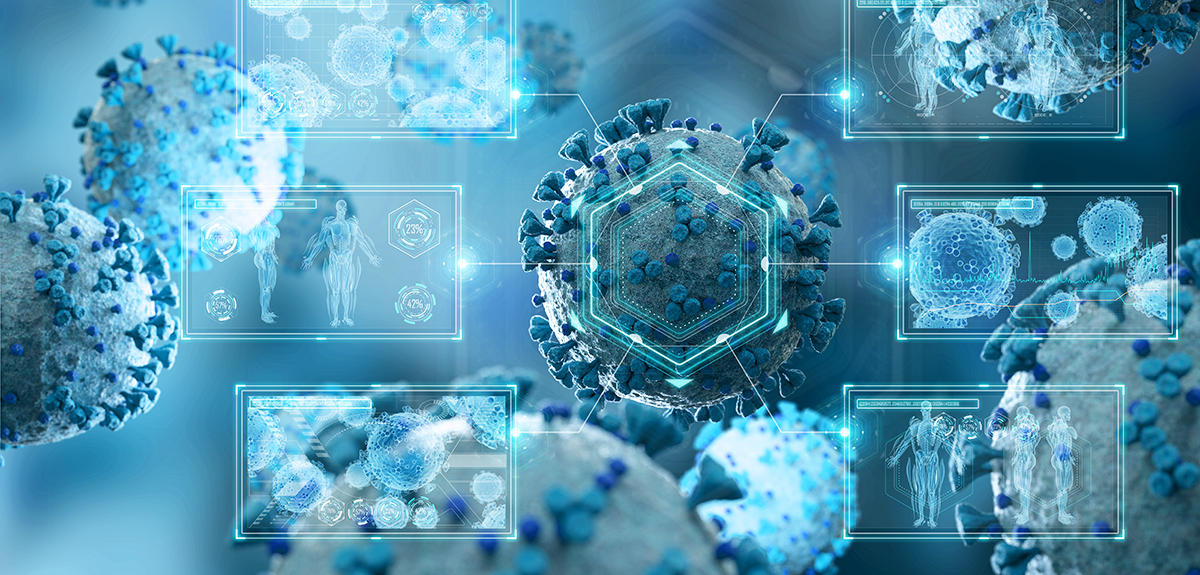
    An artist’s impression of the Covid-19 virus.
    Nearly a year after the SARS-CoV-2 coronavirus was identified, researchers have yet to determine how it “jumped species” to infect humans. Virologist Étienne Decroly discusses the various hypotheses, including that of an accidental leak from a laboratory.

    At a time when researchers are racing against the clock to develop viable vaccines and treatments, why is it so important to understand the genealogy of the virus behind the Covid-19 pandemic?
    Étienne Decroly:1 After SARS-CoV in 2002 and MERS-CoV in 2012, SARS-CoV-2, which was quickly identified as causing Covid-19, is the third human coronavirus responsible for a severe respiratory syndrome to have emerged in the past 20 years. We are now quite familiar with this family of viruses, which circulate primarily among bats, and whose zoonotic transfer occasionally triggers epidemics among humans. It is therefore crucial to understand how this pathogen crossed the species barrier and became easily transmissible from human to human. It is essential to study the evolutionary mechanisms and molecular processes involved in the advent of this pandemic virus in order to better anticipate potential outbreaks of this type, and to develop therapeutic and vaccinal strategies.

    In the early weeks of the pandemic, when we knew very little about the virus, it was very quickly suspected to be of animal origin. Why was this possibility immediately favoured, and has it since been confirmed?
    É.D.: The zoonotic origin of coronaviruses, which infect nearly 500 species of bat, was already well documented from previous outbreaks. In nature, different bat populations share the same caves, and various viral strains can contaminate the same animal simultaneously. This situation facilitates genetic recombination between viruses and their evolution, allowing certain strains to develop the capacity to cross the species barrier.

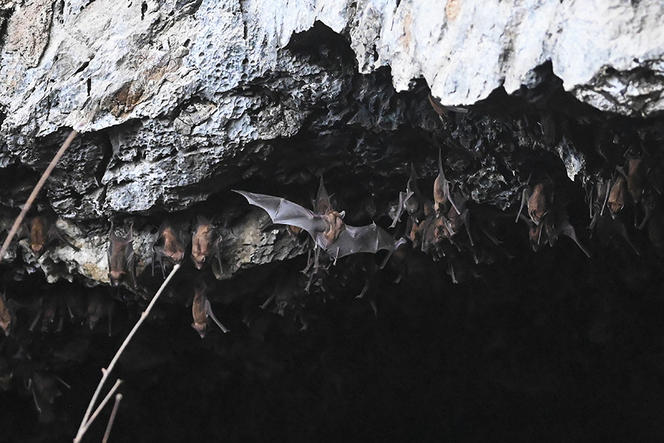
    Bats in a cave in Myanmar. Nearly 500 species of bat are infected by coronaviruses.

    Genome sequence comparisons of viral samples from different patients infected by SARS-CoV-2 have revealed an identity rate of 99.98%, indicating that the strain emerged in humans very recently. It was also soon discovered that this genome is 96% identical to that of a bat virus (RaTG13) collected in 2013 from the animals’ guano, whose sequences have only been known since March 2020. In addition, one fragment of this genome proved to be totally identical to another, made up of 370 nucleotides, sequenced in 2016 from samples collected in 2013 at a mine in China’s Yunnan province where three miners had died of severe pneumonia.
    Furthermore, analyses of other known human coronaviruses show only 79% genetic identity between SARS-CoV-1 and SARS-CoV-2, and only 50% for MERS-CoV. Simply put, SARS-CoV-2 is genetically closer to virus strains that were previously transmitted only among bats. It did not descend from known human strains and only recently acquired the ability to leave its natural animal reservoir, which is most likely bats.

    If it has been determined that Covid-19 came from bats, why is there still such controversy over its origins?
    É.D.: Since no case of an epidemic caused by direct bat-to-human transmission has yet been demonstrated, it is thought that the transfer to humans more probably took place via an intermediate host species in which the virus could evolve and move towards forms likely to infect human cells. Such an intermediary is usually identified by examining the phylogenetic relations between the new virus and those that contaminate animal species living near the outbreak zone. This method made it possible to determine that the civet was probably the secondary host of SARS-CoV in the early 2000s, and the dromedary that of MERS-CoV ten years later. The discovery, in the genome of a coronavirus infecting pangolins, of a short genetic sequence coding for the recognition domain of receptor ACE-2, related to the sequence that allows SARS-CoV-2 to penetrate human cells, first suggested that a possible intermediary had been found, but the rest of its genome is too dissimilar to SARS-CoV-2 to be a direct ancestor.

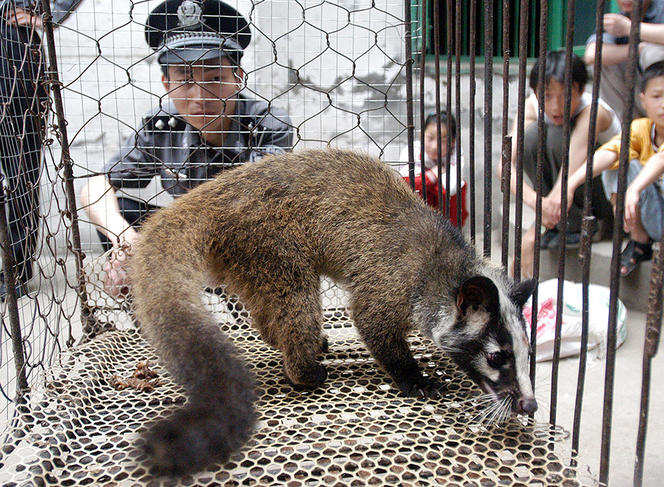
    A civet sold in the Wuhan market, in China, in 2003. This species was probably the intermediate host of SARS-CoV when it caused an epidemic in the early 2000s.

    SARS-CoV-2 could thus have resulted from multiple recombinations among different coronaviruses circulating in pangolins and bats, leading to an adaptation that enables transmission to humans. In this case, a secondary cause of the Covid-19 pandemic would have been contact with the intermediate host, possibly an animal sold in the market in Wuhan (China). However, this hypothesis raises many questions. First of all, the geography: the viral samples from bats were collected in Yunnan, nearly 1,500 kilometres from Wuhan, where the pandemic began. There is also an ecological issue: bats and pangolins inhabit different ecosystems, so it is difficult to imagine how their viruses could have recombined. Most importantly, it has been noted that the identity rate between the SARS-CoV-2 sequences and those from pangolins reaches a mere 90.3%, which is far lower than what is normally observed between strains infecting humans and those contaminating secondary hosts. The genomes of SARS-CoV and the civet strain from which it descended, for example, are 99% identical.

    Could you tell us more about the cellular receptor’s recognition sequence and the mechanism that allows the virus to penetrate cells?
    É.D.: That has to do with the biological characteristics of coronaviruses. Their genome contains an S gene coding for the spike protein, which enters into the composition of the  envelope and gives the coronavirus its characteristic “crown” shape. The spike protein plays a fundamental role in the virus’s infection capacity because it contains a domain, called RBD, which has the property of binding specifically to certain receptors (ACE2) on the surface of infectible cells. It is the establishment of this link that then allows the pathogen to penetrate the cell. The RBD domain’s affinity for ACE2 receptors in a given species is a determining factor in the virus’s infection capacity for that species. In humans, this receptor is widely expressed and can be found, for example, on the surface of pulmonary and intestinal cells.

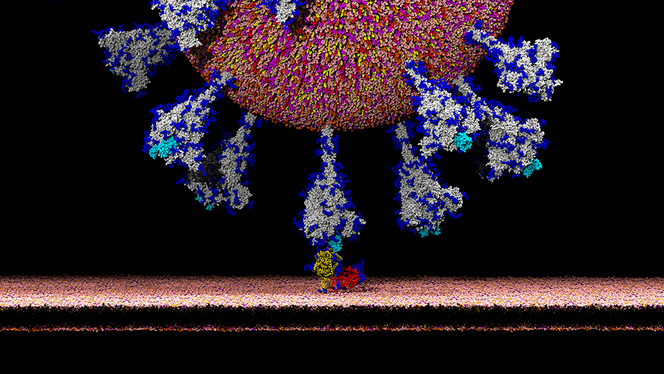
    Illustration of a SARS-CoV-2 virion infecting a cell by binding to its ACE2 receptor (in yellow).

    Analyses of coronavirus databases have made it possible to determine that the genetic sequence coding for the RBD domain of SARS-CoV-2 is very close to that of the coronavirus infecting pangolins. This observation suggests that the spike protein of the CoV infecting these animals has a strong affinity for the human ACE2 receptor, which possibly enabled that pathogen to enter human cells more easily than the bat virus. However, for reasons mentioned above, most researchers now think that the pangolin probably played no role in the emergence of SARS-CoV-2. The prevalent hypothesis today is that it was more likely a convergent, independent evolution of the RBD domain in both virus strains.

    Are there any indications of other candidates for the role of intermediate host?
    É.D.: In zoonoses, secondary hosts are usually found among livestock or wild animals that come into contact with the human population. In this case, despite research on viruses found in the animal species sold at the Wuhan market, no intermediary virus between RaTG13 and SARS-CoV-2 has been singled out so far. Until one is identified and its genome sequenced, the question of the origin of SARS-CoV-2 will remain unanswered. For lack of convincing evidence concerning the last animal intermediary before human contamination, some sources are suggesting that the virus could have crossed the species barrier following a laboratory accident or even be man-made.

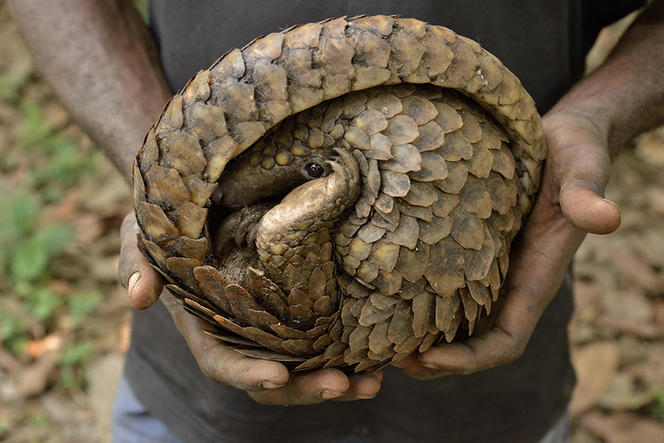
    A poacher holding a long-tailed pangolin (Manis tetradactyla) rolled into a ball.

    Do you think that SARS-CoV-2 escaped from a laboratory?
    É.D.: The hypothesis cannot be ruled out, given that SARS-CoV, which emerged in 2003, has escaped from laboratory experiments at least four times. In addition, there’s the fact that coronaviruses were a major area of study in the laboratories near the SARS-CoV-2 outbreak zone, where researchers were investigating, among other things, the mechanisms involved in crossing the species barrier. However, at this time, the analyses based on the phylogeny of the complete virus genomes yield no clear conclusions on the evolutionary origin of SARS-CoV-2.

    There are three main scenarios for explaining how the latter acquired its epidemic potential. First of all, it is a zoonosis. Covid-19 is caused by the recent breaching of the species barrier by a coronavirus. In this case, there must be another virus with greater similarity than RaTG13 in a domestic animal or livestock species, but, as previously mentioned, no such strain has yet been found.

    The second scenario is that it could be a coronavirus different from SARS-CoV or MERS-CoV that adapted to humans several years ago and circulated relatively unnoticed until a recent mutation made it more transmissible from an individual to another. To confirm this hypothesis, we would have to analyse virus samples from people who died of atypical pneumonias in the outbreak zone before the pandemic broke out.  Lastly, SARS-CoV-2 may have descended from a bat virus isolated by scientists collecting samples, which then adapted to other species during research on animal models in the laboratory – laboratory from which it then accidentally escaped.

    Isn’t there a risk that this last hypothesis may uphold the conspiracy theories about the Covid-19 pandemic?
    É.D.: Studying the origin of SARS-CoV-2 is a scientific process that cannot be equated with a conspiracy theory. At the same time, I would like to underline the fact that, as long as no intermediate host has been identified, the scientific community cannot rule out the possibility of an accidental leak.

    As of today, no scientific study has produced any clear evidence to confirm this. Nonetheless, the fact remains that further analyses are needed to reach a conclusion. The question of the natural or synthetic origin of SARS-CoV-2 cannot be made contingent on a political agenda or communication strategy. It deserves to be examined in light of the scientific data at our disposal.

    Our hypotheses must also take into account what virology laboratories are capable of doing at this stage, and the fact that the manipulation of potentially pathogenic virus genomes is a common practice in certain laboratories, in particular for studying how viruses cross the species barrier.

    Indeed, many conspiracy websites echo the assertions of Luc Montagnier, who explained that SARS-CoV-2 is a “chimera virus” created in a Chinese laboratory, a cross between a coronavirus and the human immunodeficiency virus (HIV). Is this a serious theory?
    É.D.: In any case, it is no longer taken seriously by specialists, who have refuted its main conclusions. Nonetheless, it is based on an utterly serious observation that is important for understanding the infection mechanism of SARS-CoV-2: it has been discovered that the gene coding for the spike protein contains four insertions of short sequences that are not found in the most genetically similar human coronaviruses. These insertions probably give the spike protein of SARS-CoV-2 exceptional properties. Structural studies indicate that the first three insertions are located on exposed domains of the S protein and are thus likely to play a role in how the virus evades the host’s immune system.

    The fourth insertion, which is more recent, produces a site sensitive to furins, protease enzymes produced by the host cells. It has now been clearly demonstrated that furin cleavage of the spike protein induces a conformational change that is conducive to the recognition of the ACE2 cellular receptor. Researchers investigating the origin of these insertions have reported in a pre-publication that these sequences of the SARS-CoV-2 spike protein show unsettling similarities with fragment sequences of the HIV-1 virus. Strongly criticised for its methodological shortcomings and errors of interpretation, the article was deleted from the bioRxiv site.

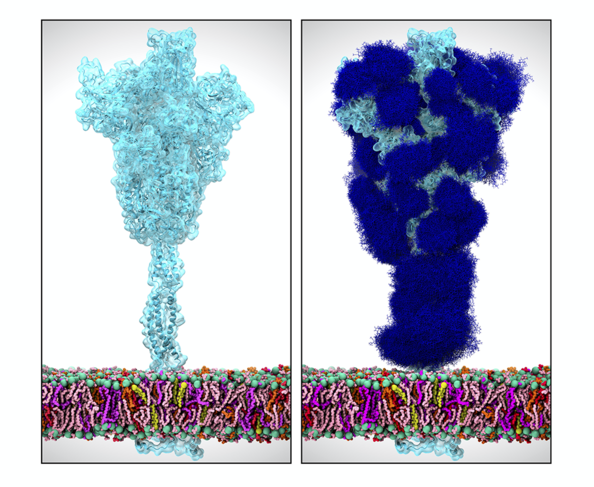
    Illustration of the SARS-CoV-2 spike (S) protein covered in glycoproteins (right) or “naked” (left).

    This postulate would have remained insignificant, had it not been revived by Luc Montagnier, winner of the Nobel Prize in Physiology or Medicine for his work on HIV. In April 2020, he claimed that these insertions did not result from natural recombination nor occurred accidentally, but from deliberate gene manipulation, probably in the course of research to develop HIV vaccines. These assertions were once again refuted by biostatistical analyses, which showed that the similar sequences in HIV and SARS-CoV-2 are too short (10 to 20 nucleotides out of a total of 30,000 for the genome) and that the resemblance is most likely coincidental.

    Meanwhile, faced with the difficulty of understanding the origin of this pathogen, we have conducted phylogenetic analyses in collaboration with bioinformaticians and phylogeneticists. Their findings show that three of the four insertions observed in SARS-CoV-2 can be found in older coronavirus strains. Our study clearly shows that these sequences appeared independently, at different times in the evolutionary history of the virus. This data invalidates the hypothesis of a recent and intentional insertion by a laboratory of those three sequences.

    The laureate of the Nobel Prize in Physiology or Medicine, Luc Montagnier, at a press conference in Paris in 2017. Specialists have refuted the theory he put forward last Spring on the origin of the virus.

    That leaves the fourth insertion, which produces a furin protease cleavage site in SARS-CoV-2 that is not found in the other viruses of the SARS-CoV family. Consequently, the possibility cannot be ruled out that this insertion results from experiments designed to allow an animal virus to jump species to humans, since it is well known that this type of insertion plays a key role in the propagation of many pathogens in humans.

    How can we know for sure?
    É.D.: The SARS-CoV-2 genome is a combinatory puzzle and the recombination mechanisms of the animal viruses that led to its emergence remain a mystery. To understand its genesis, many more samples from wild and domestic species need to be collected. The possible discovery of animal diseases with a very strong similarity to SARS-CoV-2 would be a key element for confirming its natural origin. In addition, more in-depth bioinformatic analyses could reveal possible traces of genetic manipulation, which would conversely suggest an experimental origin.

    Diagrammatic representation of part of the SARS-CoV-2 genome.

    In any case, whether the virus is natural or not, the very fact that this question can now be seriously considered calls for a critical review of the reconstruction tools and methods being used in today’s research laboratories, and of their potential use in “gain-of-function” experiments.

    But aren’t those the only tools that can help us to understand and combat these viruses and the epidemics they cause?
    É.D.: Indeed, but we must understand that the paradigms of virus research have changed radically in recent years. Today, any laboratory can obtain or synthesise a gene sequence. It’s possible to build a functional virus from scratch in less than a month using sequences available in the databases. In addition, gene manipulation tools have been developed that are fast, easy to use and inexpensive. They enable spectacular progress, but at the same time multiply the risk and possible severity of an accident, in particular in gain-of-function experiments on viruses with pandemic potential.
    Even if it ultimately turns out that the Covid-19 epidemic is the result of a “classic” zoonosis, incidents of pathogens escaping from laboratories have been documented in recent years. One of the best-known cases is the Marburg virus disease, which originated from contamination by wild monkeys. The 1977 flu pandemic is another example. Recent genetic studies suggest that it was caused by the leak of a virus strain, collected in the 1950s, from a laboratory. More recently, several such accidental leaks from studies of SARS-CoV have been reported in the literature. Fortunately, none of them caused a major epidemic.

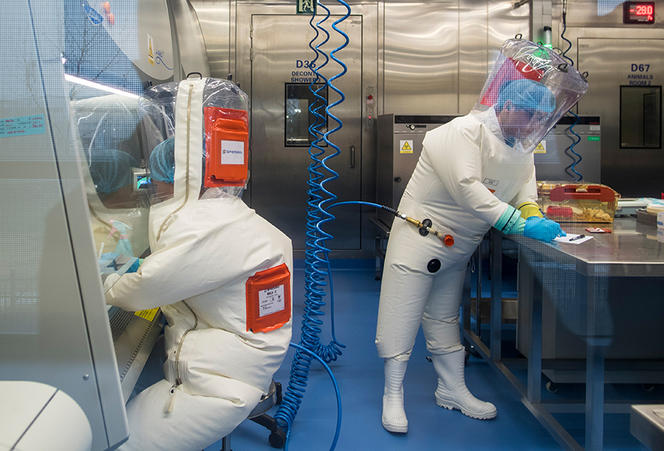
    A room in the P4 biological research laboratory in Wuhan (China).

    International standards require that any research, isolation or culturing involving potentially pandemic viruses, including respiratory ones, must be conducted under secure experimental conditions, with irreproachable traceability in order to prevent any zoonotic transmission. However, accidents can always happen. It is important to consider the potential risk of such experiments, especially if they target gain of function or infectivity.

    Are you in favour of a moratorium or ban on this type of research?
    É.D.: I do not advocate an outright ban. The point is not to “sterilise” research, but to examine the benefit-to-risk ratio more rigorously. Perhaps a conference should be organised to evaluate the need for a moratorium or more suitable international regulation.

    Considering the risks of infection arising from the techniques used in virus research today, civil society and the scientific community must urgently re-examine the practice of gain-of-function experiments and the artificial adaptation of viral strains in intermediary animal hosts. In 2015, aware of this problem, the federal agencies in the United States froze funding for all new studies involving this type of experiment. The moratorium ended in 2017. In my opinion, these high-risk practices should be reconsidered, and monitored by international ethics committees.

    Lastly, researchers in these fields must also be more sensitive to their own responsibility whenever they are conscious of the possible dangers incurred by their work. There are often alternative experimental strategies that can achieve the same purpose while greatly reducing the risks.

    Aren’t those strategies already used?
    É.D.: In theory, yes. In reality, we often fall short of the goal, especially because we scientists do not receive sufficient training on these issues. And because the climate of competition that reigns in the world of research encourages fast, frantic experimentation that does not really take ethical questions into account, nor weigh a project’s potential risks.

    In the master’s programme that I teach on viral engineering, I have been giving, for about ten years, a theoretical exercise which consists in imagining a process that would give HIV the capacity to infect any cell in the body (and not just lymphocytes). While most of the students are able to come up with an effective method for building a potentially dangerous chimera virus, they focus exclusively on the effectiveness of the technique, without ever questioning the potential consequences of its implementation.

    My goal here as a teacher is to make them aware of the issues involved and show them that in many cases it is possible to build experimental systems that are just as effective but offer better control of the biological risks. Starting early in the educational process, we need to train future biologists to always assess the risk and social relevance of their research, however innovative it may be.

    Footnotes
    • 1. CNRS senior researcher at the AFMB (Architecture et Fonctions des Macromolécules Biologiques – CNRS / Aix-Marseille Université) and a member of the Societé Française de Virologie.

    VERO, MERLER??? TUTTE LE RICERCHE GOF SONO DUALI??? GLIELO HA DETTO A CONTE E A DI MAIO???


    Evaluating the Risk–Benefit Equation for Dual-Use and Gain-of-Function Research of Concern

    By Michael J. Imperiale

    Evaluating the Risk–Benefit Equation for Dual-Use and Gain-of-Function Research of Concern

    In the twenty-first century, biology faces a problem that has previously vexed other disciplines such as physics, namely the prospect that its knowledge domain could be used to generate biological agents with altered properties that enhanced their weapon potential. Biological weapons bring the additional dimension that these could be self-replicating, easy to manufacture and synthesized with commonly available expertise. This resulted in increasing concern about the type of research done and communicated, despite the fact that such research often has direct societal benefits, bringing the dual-use dilemma to biology. The conundrum of dual use research of concern was crystallized by the so-called “gain-of-function” type of experiments in which avian influenza viruses were endowed with new properties in the laboratory such as increased virulence and the capacity for mammalian transmission. After more than a decade of intensive discussion and controversy involving biological experiments with dual-use potential, there is no consensus on the issue except for the need to carry out such experiments in the safest conditions possible. In this essay, we review the topic with the hindsight of several years and suggest that instead of prescribing prohibitions and experimental limitations the focus should be on the importance of scientific questions at hand. We posit that the importance of a scientific question for medical and scientific progress provides a benchmark to determine the acceptable level of risk in biological experimentation.

    The Great Gain-of-Function (GOF) Controversy

    Before considering the GOF controversy involving influenza virus, it is worthwhile reviewing what is meant by “GOF” and the limitations of the lexicon in the controversy. At the most basic level, a GOF experiment, as the name implies, is one that gives a biological entity any new property. GOF experiments can be highly beneficial and can generate pest resistant crops, microbes expressing proteins for medical therapy such as recombinant human insulin, and new cancer therapies by enhancing lymphocyte function. The controversial aspects of GOF experiments in microbiology arise when microbes are modified to have new properties that can enhance their virulence and transmissibility because such experiments raise worries about new diseases, outbreaks, pandemics, biosafety, and biosecurity.

    Publication Quandaries

    One of the most vexing questions of the problem of dual-use research is publication of scientific findings. In the U.S., the research community is guided by National Security Decision Directive 189, formulated in 1985, which states that all fundamental research results could be published freely. In other words, there was either open publication or classification, and nothing in between. With this binary policy, redacting papers because they might contain information useful for nefarious purposes is not an option unless export control regulations are invoked. Consequently, when faced with GOF papers containing information that could conceivably be used to enhance the pathogenicity or transmissibility of a virus, editors and journals have almost always opted for full publication, usually requiring more details from the authors about biosafety and biosecurity methods, and often publishing an accompanying editorial emphasizing the scientifically useful aspects of the research. Another major challenge to the control of DURC information is the emergence of preprint servers in biology that allow the posting of research findings before peer review and the proliferation of predatory open access journals that will publish essentially any paper for a fee. Consequently, there now exist alternative systems for publication even if standard journals decline to publish a particular article over DURC concerns. Bypassing traditional publication methods could also allow authors to avoid government scrutiny.

    The Situation Today

    It is not an exaggeration that the situation today regarding DURC and GOF experiments remains highly unsatisfactory. Experimental work involving GOF experiments on pathogens with pandemic potential is highly regulated with proponents of such work arguing that restrictions on experimental design are unwarranted [1] while opponents of such experiments argue that such work cannot be justified [2]. Proponents of GOF experiments have noted that data generated in such experiments is useful in epidemiological surveillance, whereas opponents have argued that such work cannot be morally justified because of its inherent risk. There is no consensus in the scientific community on whether the value of some experiments justifies the risks involved. The central problem in finding a consensus is that the value of the research cannot be measured in real time, while assessments of risk involve assumptions that can lead to widely divergent estimates. One of the most important developments in the past few decades has been a change in the zeitgeist of the field that concerns itself with DURC research and GOF experiments. In the early years of the twenty-first century, as the U.S. reeled from the 9/11 terrorist attacks, which were shortly followed by the anthrax spore attacks, the focus was primarily on biosecurity. At that time, the concern was that terrorists and state actors would use the tools of the molecular biology revolution to create new and more devastating biological weapons. However, as the years passed and no new attacks developed, combined with the attribution of the anthrax spores in mail attacks to a lone insider in a U.S. government laboratory [3], this security threat appeared to recede. At the same time, a series of unfortunate biosafety lapses in government laboratories heightened concerns about biosafety. Hence, today people (at least those outside the security community) appear to be more worried about an unintended release of a pathogen with pandemic potential than a deliberate biological attack. This change in emphasis from biosecurity to biosafety has developed slowly and could easily change if there is another deliberate biological attack or if becomes apparent that adversaries are developing biological weapons. Also contributing to an unsatisfactory situation are concerns whether such regulations as the Select Agents and Toxins list help or hinder societal security. On one hand, placing great restrictions on the accessibility to a number of agents and toxins does increase security by making them more difficult to obtain, with the caveat that these are naturally occurring agents that could be obtained from nature by a determined actor. On the other hand, there is the concern that focusing on lists and a relatively short list of agents means that the overwhelming majority of microbial threats are not on the DURC radar screen. Against this backdrop of dissatisfaction is the fact that science continues to progress very rapidly, introducing new technologies such CRISPR/Cas9, gene drives, and more efficient synthetic biology, each of which brings with it new possibilities for research that improves the human condition as well as new tools for nefarious purposes. Furthermore, as the technologies improve they are increasingly accessible to more individuals and countries for whom this type of research was previously beyond reach. Hence, the problem of DURC is likely to become significantly more urgent in the near future.

    The Way Forward

    In a world where new infectious agents that can rapidly spread among vulnerable populations are described on a regular basis, humanity needs a healthy research establishment focused on microbial threats. It is estimated that there are a minimum of 320,000 mammalian viruses [4]: some fraction of these are probably zoonotic events waiting to happen. As Ian Malcolm, the fictional character created by Michael Crichton in the novel Jurassic Park, stated, “Life finds a way.” Information and knowledge are the best defenses against these threats. In addition to terror from nature, a new crisis will almost certainly occur in the future arising from a deliberate attack, a new provocative paper, or another biosafety lapse. GOF experiments and DURC research are essential for preparedness and the question is not whether this research should be pursued but rather how to do it safely and mitigate risk. To date, each of the controversies has been reactive, with proponents and opponents of such experiments responding to a specific finding or study. After more than a decade of discussion on what constitutes DURC, benefits and risks of GOF experiments, regulations, pauses, and moratoriums, it is increasingly apparent that current approaches are inadequate for the challenges at hand. Given these limitations, we have proposed a new framework for DURC research that focuses on answering specific questions [5]. Hence, instead of prohibiting certain types of experimentation, we suggest that the way forward is to focus on specific scientific questions and the problems that need answers. For example, if there is a need to determine whether a particular feral virus pathogen has the capacity for mammalian infection and transmission, then GOF experiments performed in safe and controlled conditions can be justified. On the other hand, endowing HIV with new transmission properties is not a medically important GOF experiment [6]. All human activities that involve probing the unknown, ranging from space exploration to tissue culture procedures, carry some degree of risk, and it is nature of humanity to accept risk to attain progress. Opponents and proponents of this type of experimentation need to maintain open channels for continued discussion because the dialectic of ideas is likely to result in better decisions. Institutional bodies such as the NSABB need to be supported for they constitute important venues for such discussion and recommendations that mitigate risk. In fact, it is important to create similar institutions that can work at the international level since U.S.-based research is a small portion of all microbiological work done worldwide. Most importantly, we should remain optimistic that the research community can do the research necessary to obtain information critical to protect our species while minimizing the risks of such work.


    [1] Fouchier, R. A., Garcia-Sastre, A., and Kawaoka, Y. (2012b). The pause on avian H5N1 influenza virus transmission research should be ended. MBio 3, e00358–12. doi:10.1128/mBio.00358-12
    [2] Wain-Hobson, S. (2014a). An avian H7N1 gain-of-function experiment of great concern. MBio 5, e01882–14. doi:10.1128/mBio.01882-14
    [3] Bhattacharjee, Y., and Enserink, M. (2008). Anthrax investigation. FBI discusses microbial forensics – but key questions remain unanswered. Science 321, 1026–1027. doi:10.1126/science.321.5892.1026
    [4] Anthony, S. J., Epstein, J. H., Murray, K. A., Navarrete-Macias, I., Zambrana-Torrelio, C. M., Solovyov, A., et al. (2013). A strategy to estimate unknown viral diversity in mammals. MBio 4, e00598–13. doi: 10.1128/mBio.00598-13
    [5] Imperiale, M. J., and Casadevall, A. (2015b). A new synthesis for dual use research of concern. PLoS Med. 12:e1001813. doi:10.1371/journal.pmed.1001813
    [6] National Academies of Sciences Engineering and Medicine. (2017). Dual Use Research of Concern in the Life Sciences: Current Issues and Controversies. Washington, DC: The National Academies Press.

    This is an excerpt of the journal article: A New Approach to Evaluating the Risk–Benefit Equation for Dual-Use and Gain-of-Function Research of Concern, by: Michael J. Imperiale and Arturo Casadevall. Published: 08 March 2018 in Front. Bioeng. Biotechnol.; DOI: https://doi.org/10.3389/fbioe.2018.00021 under a Creative Commons Attribution License (CC BY 4.0). 

    Michael J. Imperiale
    Associate Vice President

    Dr. Michael J. Imperiale currently is associate vice president for research, research policy and compliance at the University of Michigan. Dr. Imperiale leads the development and review of research policy, and serves as the key point of contact for research compliance. Imperiale, Arthur F. Thurnau Professor of Microbiology and Immunology, also oversees issues surrounding responsible conduct of research and serves as the institutional Research Integrity Officer.

    EH. COME SEMPRE E' TUTTA COLPA DEL SIGNOR NESSUNO


    Canada’s top microbiology lab sent fifteen “deadliest pathogens” to the Wuhan lab months before the Coronavirus outbreak: Report

    The Canadian Lab has, however, said that the shipments had nothing to do with the coronavirus outbreak and moreover it said that the termination of the Chinese scientist, Dr Xiangguo Qiu from the Winnipeg lab was also not related to the shipment.

    Newly-released access-to-information documents have revealed shocking details of how a shipment of deadly pathogens from Canada’s National Microbiology Lab in Winnipeg was received by the Wuhan Institute of Virology, months before the outbreak of coronavirus pandemic. It is being reported that the delivery of 15 different lethal pathogens was made in May 2019.

    According to a report by CBC News, the scientist who was responsible for exporting the pathogens to China was sacked after an investigation in July last year. Dr Xiangguo Qiu, the person who was allegedly behind this delivery, was terminated from Canada’s only level-4 lab over what the lab called a possible “policy breach”. Earlier it was reported that Canada had dispatched Ebola and Henipah viruses to the Wuhan lab.

    The documents show that a total of 15 different virus samples were sent from Canada to the Chinese laboratory, each in two vials. The pathogens were:- Ebola Makona (three different varieties), Mayinga, Kikwit, Ivory Coast, Bundibugyo, Sudan Boniface, Sudan Gulu, MA-Ebov, GP-Ebov, GP-Sudan, Hendra, Nipah Malaysia and Nipah Bangladesh.

    The documents accessed by CBC show that Canadian scientists were about the send the virus samples in an incorrect packaging on a commercial Air Canada flight on March 31, 2019. But correct packaging was used only after the Chinese side pointed out that Canadians are using the wrong packaging to ship the deadly pathogens.

    Canada denies connection between the virus shipment and coronavirus outbreak

    The Canadian Lab has, however, said that the shipments had nothing to do with the coronavirus outbreak and moreover it said that the termination of the Chinese scientist, Dr Xiangguo Qiu from the Winnipeg lab was also not related to the shipment.

    The chief of media relations for Health Canada and the Public Health Agency of Canada, Eric Morrissette, wrote in an email: “The administrative investigation is not related to the shipment of virus samples to China.

    “In response to a request from the Wuhan Institute of Virology for viral samples of Ebola and Henipah viruses, the Public Health Agency of Canada (PHAC) sent samples for the purpose of scientific research in 2019.”

    Along with PHAC, the Royal Canadian Mounted Police (RCMP) has also denied any connections between the pandemic and the virus shipments. There is no evidence linking this shipment to the spread of the coronavirus. Ebola is a filovirus and Henipa is a paramyxovirus; no coronavirus samples were sent.

    Despite the Canadian media reports, the Chinese side has also never officially disclosed any information about the alleged virus transfer from Canada. 

    Despite clarifications, experts are not convinced. Amir Attaran, a law professor and epidemiologist at the University of Ottawa, was quoted by CBC News as saying: “It is suspicious. It is alarming. It is potentially life-threatening.”

    Experts displeased by the Canadian Government’s decision to export the pathogens to China

    Alarmed by the act, Amir Attaran said that the shipment was sent to the Chinese lab knowing that it has links to the Chinese military: “What we know is that before she was removed, she sent one of the deadliest viruses on Earth, and multiple varieties of it to maximise the genetic diversity and maximise what experimenters in China could do with it, to a laboratory in China that does dangerous gain of function experiments. And that has links to the Chinese military,” Attaran said.

    Talking about the “gain of function experiment”, in which a natural pathogen is taken into the lab, made to mutate, and then assessed to see if it has become more deadly or infectious, the law professor furthered: “The Wuhan lab does them and we have now supplied them with Ebola and Nipah viruses. It does not take a genius to understand that this is an unwise decision. I am extremely unhappy to see that the Canadian government shared that genetic material,” said Attaran.

    Though the Canadian officials have consistently denied any connections between the COVID-19 pandemic and the virus shipments and stated that there is no evidence linking the shipments to the spread of the coronavirus, given the fact that the pandemic is said to have originated in Wuhan, news of the “policy breach” is a cause of concern. Especially considering that the revelation has come during the time when the diplomatic relationship between China and the West remains volatile.

    While America has repeatedly blamed China for its campaign of “disinformation” related to the coronavirus, Tobias Ellwood, an MP of the United Kingdom, in an exclusive interview with Express.co.uk, said: “COVID-19, if it’s done anything, it has woken up the world to this rather aggressive and concerning the objective of China wanting to quietly advance its own influence across the world.”

    Lettori fissi