La verità? Una conquista complessa e articolata anche per i pm. La
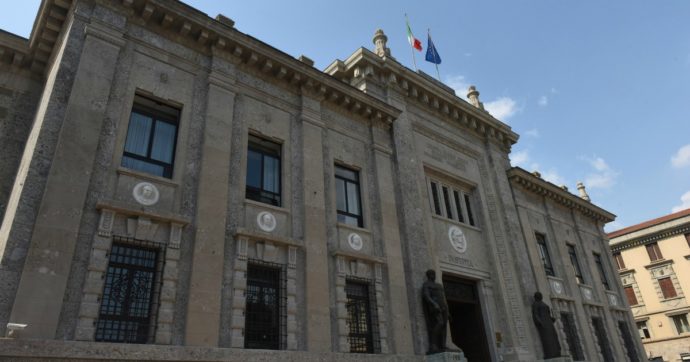
Procura di Bergamo ha chiesto al Ministero degli Esteri di chiarire se i
ricercatori dell’Oms, chiamati a testimoniare nell’ambito
dell’inchiesta sulla gestione della pandemia nella provincia piu’
colpita, godano di ‘un’immunita’ diplomatica’, come comunicato ai
magistrati nei giorni scorsi. Lo apprende l’AGI da fonti qualificate.
Come anticipato in un promo della puntata di ‘Report’ in onda questa
sera e confermato da queste fonti, l’Oms ha spedito da Copenaghen, sede
europea, una nota alla Procura e ai ministri degli Esteri e della
Salute, Luigi Di Maio e Roberto Speranza, in cui afferma che i suoi
ricercatori non sono tenuti a rispondere alle domande dei magistrati per
via del loro speciale status. Nel contempo, l’organizzazione ha
pure invitato i suoi ricercatori a non presentarsi davanti ai pubblici
ministeri, cosa che pero’ alcuni di loro non hanno fatto recandosi in
Procura e rispondendo pure alle domande dei pm.
La Procura, da cui trapela un certo “disagio” per la vicenda, ha
deciso di non rispondere alle note ricevute dall’Oms ma di avviare
“un’interlocuzione” col Ministero degli Esteri per capire se
effettivamente esista questa presunta immunità che viene fatta risalire
alla Convenzione del 1947 sui privilegi e le guarentigie di chi fa parte
delle agenzie dell’Onu. Un’immunità che l’Oms ha ritenuto di
non far valere per il vicepresidente europeo, Ranieri Guerra, convocato e
sentito il 5 novembre scorso come persona informata sui fatti, anche su
un rapporto di un centinaio di pagine redatto dalla sezione Oms di
Venezia in cui su criticava il governo italiano per la gestione della
prima fase dell’emergenza. Questo dossier, che faceva riferimento anche
al mancato aggiornamento del piano pandemico del 2006, era rimasto
online per poche ore e poi era ‘sparito’.
Il Ministero degli Esteri dovra’ sciogliere alcuni nodi: se
effettivamente esista un’immunita’ come quella invocata dall’Oms che
arriva a configurare un “divieto di testimoniare”, se questa immunita’
possa riguardare anche dei ricercatori contrattisti, quindi non
funzionari come Guerra, per il quale invece non e’ stata reclamata.
Da capire anche se eventualmente ai ricercatori possa essere imposto
un silenzio tout court oppure se essi possano opporre solo un segreto su
attivita’ circostanziate svolte nell’ambito dell’Oms, analoghe a quello
previsto per categorie come i giornalisti o i pubblici ufficiali.
L’indagine della Procura di Bergamo, che ipotizza il reato di
epidemia colposa, riguarda la mancata istituzione della zona rossa in
Val Seriana e la chiusura e poi quasi immediata riapertura dell’ospedale
di Alzano Lombardo. I magistrati hanno sentito nei mesi scorsi come
persone informate sui fatti, tra gli altri, il presidente del Consiglio
Giuseppe Conte, il ministro Roberto Speranza, il presidente della
Regione Lombardia, Attilio Fontana.
Un
militare italiano è stato arrestato in un parcheggio romano subito dopo
aver ceduto una pen drive con documenti Nato a un ufficiale di Mosca
coperto da immunità diplomatica. Ma non è un caso isolato. Secondo
l’analista Germani, «il nostro controspionaggio è efficiente, ma spesso a
proposito di Russia è frenato dal potere politico». Ma ora ci sono
l’effetto Draghi e l’effetto Biden
Pixabay
«Un
effetto Draghi»: e forse anche Biden. Così l’operazione che ha portato
all’arresto di Walter Biot è definita da Luigi Sergio Germani; direttore
dell’Istituto Gino Germani di Scienze sociali e Studi strategici,
esperto di Russia e di intelligence, di cui avevamo appena recensito il capitolo su «Russian Influence on Italian Culture, Academia, and Think Tanks» nel libro Russian Active Measures Yesterday, Today and Tomorrow.
«Ancora questa russofobia?», era stato il tenore di alcuni commenti che
ci erano arrivati. A ruota è arrivata ora la notizia su questo capitano
di Fregata che per 5000 euro avrebbe venduto documenti segreti Nato a
un ufficiale russo di servizio presso l’ambasciata a Roma e coperto da
immunità diplomatica.
Biot
ha 56 anni, era un sottufficiale della Marina militare diventato
ufficiale in seguito a un concorso interno, era come specialità una
«guida caccia» incaricato di indirizzare gli aerei da caccia verso
determinati obiettivi, ed è stato fermato in un parcheggio romano subito
dopo aver ceduto una pen drive con informazioni su sistemi di telecomunicazione militare.
Per
molti anni imbarcato, prima su cacciatorpedinieri e poi sulla portaerei
Garibaldi, nel 2010 era passato allo Stato maggiore della Marina
militare, presso l’ufficio stampa, per poi andare nel 2016 al Gabinetto
del ministro della Difesa per cerimoniale, comunicazione e relazioni
esterne, e nel 2018 all’ufficio Politica militare del ministero della
Difesa.
Il suo nome appare anche nel dossier Who is who,
che annoverava tutti i componenti degli uffici del governo italiano,
durante la presidenza del Consiglio Ue nel 2014: responsabile Pubblica
informazione e Comunicazione e addetto alle relazioni Istituzionali del
ministero della Difesa, all’epoca guidato da Roberta Pinotti.
Germani
in questo momento sta lavorando proprio a una relazione sulla minaccia
spionistica russa in Italia: «I metodi che usano per agganciare e
reclutare fonti» che consistono poi nell’individuare personalità con
problemi. Non solo economici, ma anche con risentimenti verso i
superiori, insoddisfazione per la carriera, magari anche simpatie
ideologiche verso il modello putiniano. «E i loro obiettivi».
Questo
arresto dimostra per Germani che «l’attività di spionaggio russa in
Italia resta molto aggressiva e intensa», come ai tempi dell’Unione
Sovietica. In effetti all’inizio degli anni ’90 con lo sfasciarsi
dell’Urss e lo scioglimento del Kgb i Servizi russi si erano
demoralizzati e in gran parte smantellati, e molti dei loro uomini erano
passati a lavorare altrove. Alcuni per l’industria privata, altri
addirittura per la criminalità organizzata. Ma a metà degli anni ’90 i
Servizi vennero ricostruiti, a un certo punto Eltsin chiamò uomini del
Kgb come Putin a salvare il suo regime, Putin si impadronì poi del
potere, e con lui al vertice i Servizi sono stati potenziati e
rafforzati. In particolare, spiega Germani, «i Servizi russi si
distinguono perché non si occupano solo della raccolta e analisi di
informazioni segrete, come i Servizi occidentali. Si occupano anche
delle cosiddette misure attive: influenza, ingerenza e
destabilizzazione, come in epoca sovietica».
«Però
il caso Biot è un caso di spionaggio classico. Non il primo caso
clamoroso che si verifica in Italia in tempi recenti». Germani ci
ricorda altri due casi. Il 21 maggio 2016, in particolare, in un bar di
Trastevere fu arrestato il 57enne Frederico Carvalho Gil: un funzionario
del Serviço de Informações de Segurança portoghese con vent’anni di servizio alle spalle che aveva appena venduto sei documenti top secret
sui sistemi di difesa della Nato, sull’infrastruttura di comunicazione
tra i Paesi aderenti e su un paio di basi militari a un agente del Svr
russo di nome Sergey Nicolaevich Pozdnyakov. Tariffa, 10.000 euro a
documento.
Il 30 agosto
2019 all’aeroporto di Napoli fu arrestato Alexander Korshunov, dirigente
di una società di stato russa produttrice di motori d’aviazione civile e
militare. Su di lui un mandato di cattura internazionale sollecitato
dall’Fbi, secondo cui su era impadronito di segreti militari della General Electric Aviation System
anche tramite il suo collaboratore italiano Maurizio Paolo Bianchi, che
a sua volta aveva assoldato degli informatori all’interno di una
società controllata dalla General Electric.
Come
ricorda Germani, una tecnica dei Servizi russi dovrebbe essere quella
di contattare i reclutati non nel loro paese, ma in un paese terzo: un
principio rispettato nel 2016, e non nel 2019 e nel 2021. «Ma bisogna
distinguere tra l’Svr, servizio segreto civile più attento a queste
cose, dal Gru, che è il servizio segreto militare, e che in qualche modo
è più sfacciato. Vuole ottenere risultati subito. È del Gru il russo
che ha preso la pen drive di Biot, erano del Gru quelli che
hanno cercato di avvelenare Skripal. In quel caso forse non erano stati
maldestri, ma avevano voluto lanciare un avvertimento. Stavolta forse
non avevano preso misure di controsorveglianza adeguate. Evidentemente
non si erano accorti di essere sotto sorveglianza».
Il
nostro Controspionaggio dunque è stato efficiente? «Il nostro
Controspionaggio è efficiente, ma spesso a proposito di Russia è frenato
dal potere politico. Va bene questo, che è coperto dall’immunità
diplomatica e potrà solo essere dichiarato persona non grata. Ma
Pozdnyakov dopo un periodo in carcere fu riconsegnato alla Russia,
malgrado la richiesta di estradizione del Portogallo. E pure Korshunov
fu mandato in Russia, malgrado non avesse immunità diplomatica e ci
fosse la richiesta di estradizione degli Stati Uniti. La cosa fu gestita
dal ministro della Giustizia Alfonso Bonafede. Qualunque sia il
governo, i politici italiani ci tengono a porsi sempre come migliori
amici della Russia all’interno della Nato».
Tuttavia,
operazioni del genere sono in realtà rare. «La cosa più ortodossa,
quando viene scoperto una fonte interna reclutata da Servizi esterni,
sarebbe di “doppiarlo”. Chiedergli di riferire tutto e continuare a
vedersi col suo reclutatore, anche dandogli documenti di minore
importanza, in modo da poter capire i loro metodi. È però un sistema
molto delicato e aggressivo, che l’Italia tende a non fare proprio per
le relazioni che intende mantenere con la Russia. Si potrebbe però sempre agire senza dare alla cosa visibilità, magari a colpi di espulsioni». Ovviamente,
il traditore potrebbe essere punito anche senza dare alla cosa risalto.
«E in genere si fa così. Quelle poche volte che a un caso del genere
viene dato un risalto mediatico, vuol dire che si vuole dare un
segnale».
Nel 2016,
secondo Germani, la scelta di dare un segnale può essere venuta dalla
Nato. Ma adesso potrebbe essere stata proprio una idea di Draghi, anche
se certamente a Biden non dispiace. «Non
solo la visibilità mediatica ma il fatto di chiamare l’ambasciatore
alla Farnesina evidenzia grave irritazione. Come se si volesse dire: ora
basta!». Un segnale sulla polemica Sputnik? «Probabile. Siamo di fronte
a una campagna propagandistica russa molto forte,
per promuovere il loro vaccino denigrando i vaccini occidentali e
l’Unione Europea. Potrebbe essere una risposta. Una forte risposta».
AGI
“Siete pregati di non rispondere alla convocazione della sezione di
polizia giudiziaria della Guardia di Finanza e di inviarci senza indugio
la richiesta ricevuta dai pubblici ministeri di modo che possiamo
allegare questa richiesta alla nostra lettera alla Procura e al
Ministero degli Esteri”. Lo scrive in una mail, in possesso dell’AGI di
cui parlerà stasera la trasmissione ‘Report’, il capo dell’ufficio legale dell’Oms Europa, Chantal Streijffert Garon.
Tra i destinatari delle comunicazione c’è il funzionario dell’Oms di Venezia, Francesco Zambon, che, dopo tre convocazioni andate ‘a vuoto’ dei pm per via dell’immunità diplomatica, ha deciso di presentarsi spontaneamente rinunciando al suo status.
“Non dobbiamo creare un precedente rinunciando all’immunità”
“E’ importante notare – si legge in un altro passaggio – che ci sono diverse cause legali in corso collegate al Covid_19
e numerose inchieste parlamentari che coinvolgono l’Oms. Dobbiamo stare
attenti a non creare un precedente o a rinunciare in modo implicito
alle immunità partecipando agli interrogatori”. Questo il resto del
testo della mail datata 1 novembre 2020 definita nell’oggetto “riservata, urgente e confidenziale”:
“Sappiamo che fate parte del team che ha scritto il report ‘An
unprecedent challenge: Italy’s first response to Covid_19’, che è stato
coordinato da Francesco (Zambon, ndr). Sappiamo che la Procura di
Bergamo sta svolgendo un’indagine sulla risposta del Governo italiano al
Covid-19. In questo contesto, vi informiamo che i membri dell’Oms e i
suoi consulenti sono protetti dalla Convenzione che
prevede l’immunità diplomatica nell’ambito delle funzioni ufficiali
svolte per conto dell’Oms. Pertanto, membri e consulenti non possono
essere chiamati dai tribunali in base alla giurisdizione nazionale a
meno che l’Oms non rinunci a privilegi e immunità in seguito a una
richiesta tramite i canali diplomatici che coinvolga il ministro degli
Esteri”.
L’Oms – prosegue la missiva – manderà domani 2 novembre alla Procura
una lettera per informarla della propria immunità in base alla
Convenzione offrendosi di rispondere a qualsiasi domanda tecnica
attraverso i canali diplomatici (es. Ministero degli Esteri). In
contemporanea, mandiamo una ‘Nota verbale’ al ministro degli Esteri per
informarlo della richiesta ricevuta dalla Procura e chiedergli di
intervenire per garantire che la Procura di Bergamo riconosca privilegi e immunità all’Oms”.
Le bare dei morti di COVID-19 di Bergamo portate sui camion dell’esercito (Foto di Corriere.it)
A seguito della richiesta della Procura di Bergamo finalizzata a
sentire alcuni ricercatori dell’Organizzazione Mondiale della Sanità
(OMS), quest’ultima ha inviato dalla sede europea di Copenhagen una nota
con cui afferma che il suo personale gode di immunità diplomatica e per
tale motivo non è tenuto a rispondere alle domande dei magistrati.
Non essendo ben definito lo status dei ricercatori la Procura ha
ritenuto di investire nel merito il Ministero degli Esteri il quale
dovrà precisare se effettivamente esiste un’immunità dalla giurisdizione
come quella invocata dall’OMS, addirittura estesa al divieto di rendere
una mera testimonianza nel contesto dell’indagine sulla mancata
istituzione della zona rossa in Val Seriana e la conseguente ipotesi
di reato di epidemia colposa.
La questione va ricondotta alla ‘Convenzione sui privilegi e le
immunità delle istituzioni specializzate delle nazioni Unite’ ratificata
e resa esecutiva dall’Italia e non all’immunità diplomatica
tradizionale ai sensi della Convenzione di Vienna sulle relazioni
diplomatiche, ove le immunità personali e funzionali sono ben chiarite.
Il motivo per cui le organizzazioni internazionali godono di immunità
è garantire lo svolgimento delle loro funzioni in maniera indipendente
da qualsiasi ingerenza in quanto uno Stato potrebbe indirizzarne le
scelte e limitarne la libertà d’azione.
Diverse però sono le attività che ricadono nell’esercizio delle
attività funzionali dell’organizzazione da quelle compiute da persone
legate ad essa in qualità di soggetto privato caso, questo, per cui non
può essere invocata l’immunità. Per attività funzionali si fa
riferimento agli atti posti in essere dall’organizzazione per il
raggiungimento dei suoi scopi. In merito esiste in Italia specifica
giurisprudenza che può venire in soccorso. La Corte di Cassazione, ad
esempio, ha affermato nel caso Branno, dipendente a contratto della
NATO, contro il Ministero della Difesa che seppure vi fosse un accordo
NATO (NATO SOFA) che prevedeva un’immunità, questa non si applicava
alla controversia in questione perché l’organizzazione aveva agito “more
privatorum, ponendo in essere con dei cittadini italiani dei veri e
propri rapporti contrattuali, dai quali è esclusa ogni idea di
sovranità”. Sembra proprio il caso dei ricercatori che pare abbiano con
l’OMS un contratto di tipo privatistico. Questa sentenza ha posto dei
limiti all’immunità dell’organizzazione e altre sentenze più recenti,
non solo a livello nazionale, continuano a fare distinzione tra attività
pubblicistiche e attività privatistiche dell’ente internazionale. .
Il nostro Ministero Affari Esteri dispone di un ufficio del
Contenzioso di altissimo livello per cui non tarderà a dare una risposta
esaustiva.
Nelle sue valutazioni tale Ufficio dovrà tener conto che la parte
della Convenzione riguardante l’abuso di privilegi prevede che se uno
Stato ritiene che sia stato commesso un abuso di un privilegio o di
un’immunità prevista dalla Convenzione, devono essere avviate
consultazioni tra tale Stato e l’Istituzione interessata al fine di
accertare se sia stato effettivamente commesso l’abuso e, nel caso
affermativo, di prevenirne la continuazione o la reiterazione. Se tali
consultazioni non dovessero produrre un risultato soddisfacente la
questione dell’accertamento dell’abuso è portata dinanzi alla Corte
Internazionale di Giustizia che se dovesse constatare che si è
verificato simile abuso può conferire allo Stato leso il diritto di
revocare all’Istituzione il beneficio oggetto del contenzioso.
A prescindere dalla natura del rapporto intercorrente tra i
ricercatori e l’OMS corre l’obbligo considerare che, comunque, gli atti e
gli archivi dell’organismo internazionale ai sensi della Convenzione
sono coperti da immunità e di questo, in sede di escussione testimoniale
dovrà essere tenuto conto.
In ogni caso, di fronte all’esigenza di comprendere le cause di una
tragedia come quella vissuta in particolare nelle valli di Bergamo ci si
deve chiedere perché un Organismo del livello dell’OMS anziché fornire
ogni elemento per contribuire a far luce sui fatti si arrocchi dietro
quelle ragioni di immunità che contribuiscono solo ad alimentare dubbi
sul suo operato.
Il Ministero degli Esteri non risponde ai pm di Bergamo sull'Oms
I magistrati vogliono sapere se esista
un divieto di testimoniare per i funzionari dell'agenzia Onu che
godono dell’immunità diplomatica coinvolti nella vicenda del piano
pandemico. E' atteso in particolare il 'via libera' per Francesco
Zambon, l'uomo a cui Ranieri Guerra avrebbe chiesto di 'taroccare' la
data del piano pandemico
Bergamo, l’Oms invoca l’immunità diplomatica per i ricercatori convocati dai pm come persone informate sui fatti
"Il nostro interesse è accertare
l'esistenza o meno di un piano pandemico e quando sarebbe stato redatto.
Questo è importante per le valutazioni che la procura sta facendo
nell’ambito dell’indagine sull'ospedale di Alzano e sulla gestione
dell’epidemia nella Bergamasca", spiega il pm Antonio Chiappani. Dopo
aver ricevuto la lettera dell'Organizzazione mondiale della sanità,
l'ufficio inquirente ha scritto al ministero degli Esteri per capire se
sussiste l'immunità
Coronavirus: Tedros Ghebreyesus of WHO faces firestorm of criticism
By Jules Crétois, Olivier Marbot
Posted on Wednesday, 10 June 2020 19:30, updated on Sunday, 14 June 2020 10:00
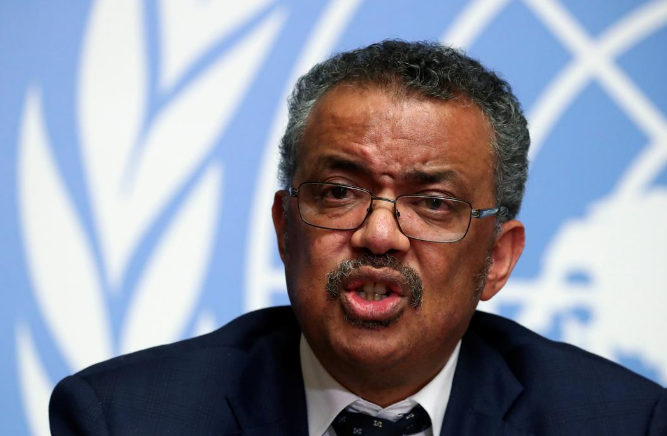
Tedros
Adhanom Ghebreyesus, Director General of the World Health Organization
(WHO), addresses a press conference about the update on COVID-19 at the
World Health Organization headquarters in Geneva, Switzerland, Monday,
Feb. 24, 2020. (Salvatore Di Nolfi/Keystone via AP)
Attacked from all sides, have the WHO and its leader, the Ethiopian
national Tedros Adhanom Ghebreyesus, failed in their mission or, on the
contrary, prevented the worst? An upcoming inquiry should provide some
answers.
When he took to the podium to make closing remarks at the
seventy-third World Health Assembly, held in Geneva on 18 and 19 May,
Tedros Adhanom Ghebreyesus, 55, bore a wide grin.
The Director-General of the World Health Organisation (WHO) also wore
a blue, tropical print shirt, setting aside his conservative grey suit.
A gesture meant as a tribute to nurses from the Polynesian state of Tonga
who had planned to attend the meeting but were unable to due to the
coronavirus pandemic, he explained, before thanking member countries for
their “support” and reminding the audience (mostly in attendance
virtually) that while “the COVID-19 pandemic has tested, strengthened
and strained the bonds of fellowship between nations […] it has not broken them”.
The speech was a perfect show of unanimity and optimism. At least on the surface of it.
Behind the scenes, the virtual assembly was a fierce battlefield and ended on an unprecedented note with the adoption of a resolution, drafted largely by European representatives,
calling for an “impartial, independent and comprehensive evaluation” of
WHO’s coordination of the “international health response” to the worst
crisis in its history: COVID-19.
In China’s grip?
The resolution is an attempt to respond to the mounting criticism – often American – directed at the organisation in recent weeks. In mid-April, the United States suspended their financial contributions to WHO.
More recently, the country has even contemplated the idea of leaving
the organisation altogether on the grounds that it failed in its task
and, probably an even greater crime in the Americans’ eyes, is fully in
thrall to the Chinese authorities.
Made out to be the embodiment of the organisation’s every supposed shortcoming and shady action, “Dr Tedros” is naturally at the centre of the controversy.
Some people maintain that he was only elected because he is African, as he is the first non-medical doctor director-general (although he has public health qualifications).
Others claim he has been under the thumb of China
(which backed his candidacy) for a long time and they back up their
theory by noting that the party of which he was a member in Ethiopia,
the Tigray People’s Liberation Front, is a communist movement. Others
still say that he is timid. Or totally in the pay of “Big Pharma”.
The first African elected to head WHO has been spared no criticism, and malicious rumours about his private life have even begun spreading among the Ethiopian diaspora.
A lot of these attacks are unfounded, but some of
them should be explored further – beginning with the WHO’s attitude
towards China. As early as January, while the number of coronavirus
cases was exploding in Hubei province, WHO was working with Beijing,
which made sense.
On 20 January, the organisation sent a team to Wuhan and, on 22
January, a meeting to determine if the novel coronavirus outbreak
constituted a Public Health Emergency of International Concern (PHEIC) ended on an inconclusive note.
On 28 January, Ghebreyesus met with the President of China, Xi Jinping, in Beijing, setting the stage for an unfortunate grovelling posture that has been interpreted ever since as a sign of the director-general’s submission.
On 30 January, WHO finally declared a PHEIC. On 30 March, the
International Olympic Committee announced that the Olympic Games,
originally scheduled to take place in Tokyo in summer 2020, would be
postponed until 2021. Very upset about the decision, the Japanese vice prime minister called WHO the “Chinese Health Organisation”.
Too cautious?
Other critics, not necessarily the same ones, rebuke the UN-backed institution for being overly cautious.
It was out of caution that the WHO waited to declare a PHEIC and then
to upgrade its status from an epidemic to a pandemic. It was also out of caution that it refused to approve the use of potentially effective treatments against COVID-19 or some of its symptoms, with chloroquine, artemisia and Madagascar’s Covid-Organics leading the pack.
Michel Yao, an Ivorian born doctor currently practicing medicine in
Canada and responsible for coordinating the WHO operations in Africa,
rejects this criticism: “Our role is to organise clinical trials in line
with methodological approaches in order to verify treatment
effectiveness and safety. But doctors have always had the option of using treatments that haven’t been approved if it was recognised that they could provide relief to patients. This is known as ‘compassionate use’, and WHO has never been against it.”
In Africa, some had nevertheless hoped that the election of
Ghebreyesus in May 2017 would lead the WHO to take a greater interest in
medicinal plants and traditional techniques. They claim that their
calls have gone unheeded thus far.
Is this indifference a sign that pharmaceutical industry
multinationals are trying to protect their profits? Whatever some people
may claim, WHO has not necessarily made a habit of siding with “Big Pharma”, as the Geneva-based organisation points out.
In 2013, for example, the Chinese national Margaret Chan, the
director-general of the organisation at the time, called out the
behaviour of researchers who ran the risk of delaying the development of
detection tests for certain strains of coronavirus because they wanted
to register a patent.
Also, in 1985, the United States temporarily suspended its contribution to the organisation on the grounds that WHO was encouraging developing countries to create their own pharmaceutical industries.
Lastly, many believe that the WHO should have declared a PHEIC and the pandemic more rapidly, which would likely have encouraged some countries to order lockdowns and, in so doing, save lives.
Counteroffensive
Leaders at the WHO challenge this idea of a delayed response,
often attributed to supposed pressure from China. For instance, Yao
recalls that “even before the first cases in Africa were detected in
Egypt and Algeria, our teams were providing African authorities with
tools to analyse their level of preparedness”.
Senegal-born Ibrahima Socé Fall, Assistant Director-General of the
institution, stresses that “we declared a PHEIC on 30 January, and a lot of countries – especially the most developed ones – were slow to react, despite the fact that we warned everyone in very clear terms and were holding meetings every day”.
Other WHO officials comment somewhat bitterly that the bulk of the criticism comes from countries – the United States, the UK, France, etc. – which stand out for their chaotic management of the first few weeks of the pandemic.
What’s more, it took two months to gather the $675m needed to fund the
coronavirus preparedness and response plan after WHO called on countries
to contribute to it on 5 February.
Despite these problems, material assistance has already been provided
to 135 low- and middle-income countries, and, in Africa, Yao says that
“most health development plans are based in part on WHO protocols,
research and recommendations”. According to Matshidiso Moeti, WHO
Regional Director for Africa, “Namibia and the Seychelles, which closely followed our precautionary advice, have reported no new cases over the past month.”
Defenders of the organisation are not solely made up of Ghebreyesus’s subordinates:
while Donald Trump was ranting and raving against WHO on the small
screen, Bill Gates, whose foundation is the second largest financial
contributor to WHO after the United States, sided with the organisation
and its leader on Twitter.
In an editorial published at the end of April, several NGO executives
and public health leaders reiterated that now, more than ever, was the
time to come together and to take multilateral action, and that the WHO was struggling first and foremost due to a lack of resources
and that it was merely implementing the procedures defined by its
member states, summarised in the International Health Regulations (IHR).
To confront the wave of “Tedros bashing”, Tedros’s
supporters launched a counteroffensive. It began in his home country,
Ethiopia, where several voices, including that of the Minister of Health
Amir Aman, spoke out to remind people that when Ghebreyesus was leading
the country’s health ministry, he built a solid community health
programme suited to the context and whose positive effects have been
observed.
For some of his supporters, the attacks targeting the WHO director-general are also likely, if not especially, due to plain old racism.
An underfunded organisation
Should we reach the conclusion that the WHO’s management of the
crisis is – and was – beyond reproach? Of course not. However, the
countries attacking the Geneva-based institution would do well not to
forget that it only has the means and powers that they wish to grant it.
With 194 member states, 7,000 employees and 150 regional offices worldwide, the organisation seems at times too modest in size and, above all, underfunded.
Its annual budget ($5.6bn) is even smaller than that of the Paris
hospital system. In addition, mandatory contributions account for barely
20% of the budget, while the rest comes from payments made by countries
at their discretion.
As Professor Marc Gentilini, an infectious disease expert and former
president of the French Red Cross, underscores, budget cuts are not rare
and “the work impacted by these cuts in the 2010s includes that of
researchers studying coronavirus-type pandemics”.
Forced to be more cautious, Ghebreyesus told reporters in 2017,
shortly after his election, that following the Ebola epidemics in
Africa, the idea of establishing “simulation exercises at the regional level” was on the table. But, he added, “such programmes are very costly, so we need to obtain special funding”.
Power struggles
Aside from these financial aspects, it’s also important to note that
ever since its creation in 1948, the WHO has been the site of never-ending power struggles between superpowers.
In 1949, the Soviet Union and several of its satellite nations withdrew
from the organisation, criticising it for refusing to make the
connection between health and socio-economic conditions, and for being
dominated by the United States.
In 1978, liberal countries protested against the Declaration of Alma-Ata,
which highlighted the inacceptable health inequalities between the
world’s regions. Some denounced the declaration as a “communist vision
of health”.
In 2005, the United States prevented the WHO’s then director-general,
the South Korean national Lee Jong-wook, from making a speech about the
public health consequences of Hurricane Katrina. Today, Beijing is
suspected of controlling the organisation. Essentially, no matter what
it does, the WHO is always accused of being either lax or alarmist.
So, should the WHO be scrapped and Tedros along with it?
Let’s remember that up until the beginning of 2020, the former
Ethiopian health minister had unanimous support, especially compared to
Chan, his predecessor, who was rebuked for unnecessarily stoking global
panic when the H1N1 flu struck in 2009.
The upcoming “impartial and independent inquiry”
will likely reveal more information about any failures or errors of
assessment on the part of the organisation. Its conclusions will weigh
heavily on Ghebreyesus’s possible desire to seek a new five-year term in
2022.
Pending the results of the inquiry, it would probably be worthwhile to consider reforms that could give WHO the resources and powers it needs
to accomplish its difficult mission. Some experts suggest creating a
permanent steering committee which would be transparently run with
guaranteed independence, while others recommend extending the term of
office of the director-general and changing the organisation’s funding
model.
The problem is that once the pandemic is under control, no one – or almost no one – will want to hear about these topics anymore. Until the next crisis comes.
WHO
director-general Tedros Adhanom Ghebreyesus told its annual ministerial
assembly that the UN agency faced a "serious challenge" to maintain its
COVID-19 response at the current level
The head of the World Health Organisation (WHO) called on Monday
for launching negotiations this year on an international treaty to boost
pandemic preparedness, as part of sweeping reforms envisioned by member
states.
WHO director-general Tedros Adhanom Ghebreyesus told its annual
ministerial assembly that the UN agency faced a “serious challenge” to
maintain its COVID-19 response at the current level and required
sustainable and flexible funding.
Earlier in the day, the last of the week-long assembly, health
ministers agreed to study recommendations for ambitious reforms made by
independent experts to strengthen the capacity of both the WHO and
countries to contain new viruses.
The ministers from the WHO’s 194 member states are to meet from
November 29 to decide whether to launch negotiations on the pandemic
treaty.
“The one recommendation that I believe will do most to strengthen
both WHO and global health security is the recommendation for a treaty
on pandemic preparedness and response,” Ghebreyesus said. “This is an
idea whose time has come.”
It could be a long road ahead if such a treaty is to be reached. The
WHO’s Framework Convention on Tobacco Control, the world’s first public
health treaty, was clinched in 2003 after four years of negotiations.
The WHO, which has been at the heart of the world’s sluggish response
to the COVID-19 pandemic, faces a potential shake-up to prevent future
outbreaks.
Under the resolution submitted by the European Union, and adopted by
consensus, member states are to be firmly in the driver’s seat of the
reforms through a year-long process.
“It’s essential that we strengthen global (disease) surveillance and
provide the World Health Organisation with the authority and the
capacity to do this important job for all the people of the world,”
Australian Prime Minister Scott Morrison told the talks.
“If we are to deliver on this ambitious reform agenda, then we must work together and put other issues aside,” he said.
The new virus has infected more than 170 million people and killed
nearly 3.7 million since emerging in China in late 2019, according to a
Reuters tally of official national figures.
“PATHOGENS HAVE THE UPPER HAND”
WHO’s emergency director, Mike Ryan, welcomed the decision, saying:
“Right now the pathogens have the upper hand, they are emerging more
frequently and often silently in a planet that is out of balance.
“We need to turn that very thing that has exposed us in this
pandemic, our interconnectedness, we need to turn that into a strength,”
he said.
Chile’s ambassador Frank Tressler Zamorano said on behalf of 60
countries that a pandemic treaty would help “heed the call by so many
experts to reset the system”.
One panel, headed by former New Zealand Prime Minister Helen Clark
and Ellen Johnson Sirleaf, a former president of Liberia, said a new
global system should be set up to respond faster to disease outbreaks to
help ensure no future virus causes pandemic as devastating as COVID-19.
The experts, who found crucial failures in the global response in
early 2020, said the WHO should be given the power to send investigators
swiftly to chase down new disease outbreaks and to publish their full
findings without delay.
WASHINGTON - China is lashing out at the chief of
the World Health Organization for suggesting that more study is needed
into the possibility that the coronavirus responsible for the COVID-19
pandemic initially escaped from a laboratory in Wuhan, China.
Global Times, an influential news outlet controlled by
China's ruling Communist Party, pointed this week to comments by Tedros
Adhanom Ghebreyesus, the Ethiopian-born director-general of the WHO, to
the effect "that further investigation is needed on the hypothesis of a
'lab leak' being the origin of COVID-19."
The front-page report quoted a Chinese foreign ministry spokesperson urging "the WHO to play a leading role in respecting science."
The criticism is ironic, given that Tedros has been widely accused of
being too close to China, including by former U.S. President Donald
Trump, who described the WHO leader as "China-centric" in cutting off
U.S. funding to the health agency last year.
Beijing's latest broadside appears aimed at remarks by Tedros on
March 30, when the WHO released the findings of an investigative team
that had spent four weeks in China.
FILE - World Health Organization Director-General Tedros
Adhanom Ghebreyesus attends a news conference in Geneva, April 12, 2021.
Speaking in Geneva, Tedros listed various scenarios
to account for the origin of the virus, including that it originated in
bats and then infected another animal, leading to widespread
contamination in the Huanan Seafood Market in Wuhan.
The WHO director also addressed a theory that the virus could have
escaped from a virology laboratory just kilometers from the Huanan
market, where similar viruses are being studied.
"Although the team has concluded that a laboratory leak is the least
likely hypothesis, this requires further investigation, potentially with
additional missions involving specialist experts, which I am ready to
deploy," Tedros said.
"The team also visited several laboratories in Wuhan and considered
the possibility that the virus entered the human population as a result
of a laboratory incident," he said. "However, I do not believe that this
assessment was extensive enough. … Further data and studies will be
needed to reach more robust conclusions."
Chinese media this week quoted an unnamed Chinese expert who took
part in the investigation as saying that Tedros' remarks have "already
been used by those with ulterior motives to question the authority and
scientific quality" of the report issued by WHO.
The expert warned that "WHO will have to be held accountable if worldwide effort at [virus] origin tracing enters a deadlock."













 Post
Post

