LE EPIDEMIE INDOTTE DA VIRUS RNA SI SONO GIA' VERIFICATE MOLTE VOLTE NELL'EVOLUZIONE UMANA: INFATTI LA MAGGIOR PARTE DEGLI INDIVIDUI E' NATURALMENTE IMMUNE E NON HA BISOGNO DI ALCUN VACCINO.


‘Ancient RNA virus epidemics occurred frequently during human evolution’

Written by Jeanna D. Smiley on July 24, 2021Fact checked by Jessica Beake, Ph.D.
New research finds clues of an epidemic that occurred 25,000 years ago. TEK IMAGE/SCIENCE PHOTO LIBRARY/Getty Images
  • Genome adaptations may offer insight into a viral epidemic as far back as 25,000 years.
  • Several lines of evidence point to a coronavirus or similar virus that emerged among the ancestors of East Asian people.
  • Identifying ancient viral activity may uncover the potential of evolutionary genomic methods to predict and combat future pandemics.

A team of scientists, which researchers at the University of Arizona in Tucson and the University of Adelaide in South Australia co-led, delved into human genomes to find a correlation between ancient coronavirus epidemics and past adaptation in modern humans.

They hope that understanding the effect of past pandemics on genetic mutations will give scientists more “ammunition” in the arms raceTrusted Source against SARS-CoV-2 variants.

Stay informed with live updates on the current COVID-19 outbreak and visit our coronavirus hub for more advice on prevention and treatment.

Yassine Souilmi, Ph.D., the lead author of the paper, is a postdoctoral research associate at the Australian Centre for Ancient DNA. He and his fellow researchers published their findings in the June 2021 edition of Current Biology.

The authors explain in their article:

“Here, we apply evolutionary analyses to human genomic datasets to recover selection events involving tens of human genes that interact with coronaviruses, including SARS-CoV-2, that likely started more than 20,000 years ago.”

Throughout human history, positive natural selection has often targeted virus-interacting proteins (VIPs). VIPs either work in building immunity or get hijacked by viruses.

This natural selection has persisted over the past 50,000 years, especially around VIPs that react to RNA viruses, such as coronaviruses.

According to Souilmi and his team:

“The accumulated evidence suggests that ancient RNA virus epidemics have occurred frequently during human evolution; however, we currently do not know whether selection has made a substantial contribution to the evolution of human genes that interact more specifically with coronaviruses.”

Souilmi’s team culled genetic data from the 1000 Genomes Project, a vast catalog of human genetic variations.

Two statistical analyses detected genetic signals known as selective sweeps.

The researchers looked for selective sweep modifications among more than 400 VIPs that interact with coronaviruses (CoV-VIPS). They investigated data from across 26 populations.

Relying on evidence that VIPs are what viruses harness to take over host cells, they focused on these genes. They also took this approach because VIPs tend to exert a greater functional influence on viruses compared with other proteins.

The scientists discovered a pattern of antiviral modifications in sweep signals at 42 CoV-VIPs in five East Asian populations. This enrichment did not appear in other populations.

The team reported:

“…[O]ur results are consistent with the emergence of a viral epidemic… ∼25,000 years (28 years per generation) ago that drove a burst of strong positive selection in East Asia. [These] selection events […] clearly predate the estimated split of different East Asian populations included in the 1000 Genomes Project from their shared ancestral population.”

The observed mutations may have steadily increased in frequency until about 200 generations, or an estimated 5,000 years, ago.

Also, the CoV-VIP proteins demonstrate antiviral and proviral effects and variations that affect SARS-CoV-2 susceptibility and COVID-19 severity in the current British population.

However, the paper notes that such adaptations in certain human populations do not imply that those populations are more susceptible to viral epidemics.

Medical News Today asked Martin Bachmann, Ph.D., an immunologist and professor of vaccinology at the University of Oxford’s Jenner Institute in the United Kingdom and the University of Bern in Switzerland, for his perspective on this research:

“For me, it is quite stunning that you can analyze epidemics from 20,000 years ago without actually looking at a sample that is older than a few years. It shows that there is an awful lot of information buried in the genome of the whole population rather than individual genomes.”

Souilmi and his fellow researchers anticipate that their findings will assist in developing drugs and therapies.

Currently, 11 drugsTrusted Source in use or in clinical trials target four of the 42 CoV-VIP genes that the team analyzed.

MNT also spoke with William Schaffner, M.D., professor of infectious diseases at Vanderbilt University in Nashville, TN.

Schaffner also hopes that this kind of research will lead to medical interventions “so that we can weather the pandemic and begin to control it in a much safer way than letting the virus itself have its way with us.”

The professor noted that to develop genetic protection against the ancient virus, the East Asian populations likely faced a very high death rate. Building natural immunity comes at a high price that the modern world might avoid with scientific breakthroughs.

Souilmi and his co-authors caution that the datasets that they used in some of their evaluations derived from modern populations with different ancestries than the East Asian subsets where the CoV-VIP genes appeared.

Ancient DNA samples might validate the progression of CoV-VIP mutations, but they are yet to be discovered.

The researchers also note that their population genomics approach could not pinpoint the causal variants for the CoV-VIP proteins that they examined in the East Asian ancestors.

They mention the possibility that a different virus using similar VIPs as coronaviruses might have sparked the adaptations they observed.

It is worth noting that one of the study’s authors is a consultant with Maze Therapeutics and Interline Therapeutics and has received stocks from them. They are also a shareholder of Tenaya Therapeutics. The other authors declared no competing interests.

I GARGARISMI CON ALCOHOL POSSONO AIUTARE A PREVENIRE SIA IL COVID SIA ALTRI PATOGENI TRASPORTATI DA MICROPARTICOLATI NELL'ARIA, SIA IN BAMBINI SIA IN ADULTI.


 A vintage black and white photo of a young boy gargling water in the bathroom.

As the largest mass vaccination campaign in human history progresses, the landscape of immunity against SARS-CoV-2 within the U.S. is changing. The vaccine strategy that began with focused protection for some and rapidly expanded to protection for all, continues to serve as the crucial step in decoupling COVID-19 deaths from infections. Approximately 50% of our total population is fully vaccinated, as are 80% of those 65 and older. This "community immunity" has largely deescalated the risk to those most likely to experience severe outcomes, while simultaneously placing those who cannot or will not be vaccinated in the spotlight. As adult vaccinations continue to rise, the totality of COVID-19 risk is diminished.

The focus now shifts to the immunologically naïve, especially children. Children less than 12 years old are unable to be vaccinated in the U.S. at this time. Moreover, concerns regarding post-vaccine myocarditis in younger populations may shift the favorable perception of risk/benefit analysis. These implications are significant as COVID-19 outcomes among younger populations are not always benign. With cases currently surging and the seasonality of the virus, we can expect a continued surge in cases this fall -- just in time for a return to school.

So, what measures -- both new and old -- do we need to take to ensure a safe return to classrooms for all kids?

When considering the protection of our school children, a balanced approach is key. It's a complicated calculus to weigh the risks of viral infection and masking our children (as the American Academy of Pediatrics recently recommended for all students inside schools) in the long- and short-term while overlaying vaccination. If indeed Delta, Gamma, Lambda, or other variants remain ascendant in the autumn we can reliably fall back on our pillars of infection control. But will these measures be sufficient to allay the fears of concerned parents, teachers, institutions, and communities? Additional strategies need to be considered, especially since we can ill afford to deny our children the much needed in-person educational experience.

One underexplored strategy to better control transmission of SARS-CoV-2 in schools may involve the use of a dilute oral antiseptic gargle or oral rinse. Similar to the two-way protection afforded by masks, treating the mouth with a safe, effective dilute antiseptic can better protect students by reducing spread and preventing infection. The idea is simple. If a child is asymptomatically infected and shedding virus, a before- and after-school oral treatment can potentially diminish the quantity or quality of active virus entering infectious droplets/aerosols making them less infectious. On the other hand, if a child is healthy but exposed to the virus, the treatment might provide prophylaxis against or at least mitigate infection. These ideas are not new, but the science of oral antiseptics and their effects on viral transmission dynamics during the last year has taken a big leap forward.

Gargles have been used for thousands of years dating back to the ancient Romans, Egyptians, and Chinese. Modern gargle science, especially with the use of alcohols, was pulled forward with the discovery of microbes by Antonie van Leeuwenhoek and later 19th century interventions of surgeon Joseph Lister. In Asia, there exists a more developed culture around gargling and its salubrious effects. Early in this millennium a group of Japanese doctors termed "The Great Cold Investigators" began to examine the influence of gargling on upper respiratory tract infections and influenza-like illnesses. What they and other investigators found is significant. A series of randomized controlled trials support the notion that gargling with interventions like water, green tea, and dilute povidone-iodine (PVI) may indeed reduce the incidence of these illnesses. Interestingly, the act of gargling water may reduce oropharyngeal proteases, which are critical to viral infection, and the chlorine present in tap water may be of sufficient concentration to inactivate viruses. Oral gargles do not represent a new frontier in children either. They have been used to prevent and treat dental caries and recalcitrant biofilms. In one landmark study conducted in Japan, middle school children from Yamagata City who routinely gargle with dilute PVI for 3 months during the winter reported less absenteeism secondary to the common cold and influenza.

The amount of scientific information generated during the COVID-19 pandemic has been extraordinary. Gargle science has certainly benefitted, as scientists and clinicians desperately looked for ways to augment infection control mechanisms. Numerous in-vitro reports have highlighted the efficacy of gargle active pharmaceutical ingredients like PVI, chlorhexidine, essential oils, alcohols, and hydrogen peroxide against SARS-CoV-2. The difference this time is that these studies carried over into in-vivo, smaller scale clinical trials.

Of all the studied active pharmaceutical ingredients, perhaps the best data has been generated with dilute PVI. This is a broad-spectrum microbiocide with years of data supporting its ability to decontaminate human tissues and kill contagions capable of pandemic spread. It is safe, makes the World Health Organization list of essential medicines, and has not been implicated in antimicrobial resistance. Importantly, its use is not known to alter healthy, supportive populations of the microbiome. Independent clinical trials in the setting of active COVID-19 have shown that administration of dilute PVI decreases viral RNA quantification, decreases infectious viral titers, decreases active virus in whole mouth fluid and respiratory droplets, speeds viral clearance, and protects against infection.

From the outset of this pandemic, the idea of oral rinses with safe and effective antiseptics was well-founded but lacked supportive data. Given the existence of these expanding reports to better inform, the evidence is supportive that use of dilute oral antiseptics may be a safe way to reduce viral transmission. The relatively small-scale of gargle-based clinical trials leaves them vulnerable to the criticism of being poorly performed and underpowered. While large-scale randomized controlled trials are certainly lacking, there is still much to be gleaned from other types and levels of evidence, especially when backed by millennia of favorable experience and implemented for clinical necessity during a pandemic. The low-cost, safety, and preventative practice of gargling or oral rinsing is also consistent with the precautionary principle and the oath of Hippocrates (do no harm or injustice!) making it perhaps an ideal intervention for our vulnerable children when they return to school, especially in combination with other public health measures. It may strike the right balance between doing something and doing nothing, between showing that we are still thinking, evolving, and considering rather than falling back into the same reactive patterns that ultimately led to school closings.

Jesse Pelletier, MD, is a private practice ophthalmologist in Miami, and co-founder/chief medical officer of Veloce BioPharma. Veloce BioPharma has povidone-iodine (PVI) as one of its active ingredients for warts, molluscum contagiosum, eyelid inflammation, and other related conditions, but is not developing gargles for oral antisepsis. Terrence P. O'Brien, MD, is a professor of ophthalmology and the Charlotte Breyer Rodgers Distinguished Chair at the Bascom Palmer Eye Institute in Miami.

Last Updated July 28, 2021

LE DITTATURE SERVONO SOLO A COPRIRE GLI ERRORI MACROSCOPICI DI GOVERNI ED ESTABLISHMENT MEDICO NEL CONTROLLO DELL'EPIDEMIA: E' ORA DI PRENDERE ATTO DEL FATTO CHE L'EPIDEMIA E' TOTALMENTE FUORI CONTROLLO A LIVELLO PLANETARIO E CHE SIAMO NEL MEZZO DI UNA CATASTROFE PLANETARIA. TUTTI I POLITICI INVECE DI ESSERE "CURIOSI" SUI PROPRI ERRORI, COME DICE REICHER, LI STANNO COPRENDO A COLPI DI DITTATURE SANITARIE. E' ORA DI SPAZZARE VIA TUTTI QUESTI PARASSITI, A COMINCIARE DAI PARASSITI DELL'OMS E DELLA UE.


England’s ‘pingdemic’ is a convenient distraction from the real problem

More people are being pinged because Covid infections are out of control. But No 10 has its head in the sand

  • Stephen Reicher is a member of the Sage subcommittee advising on behavioural science

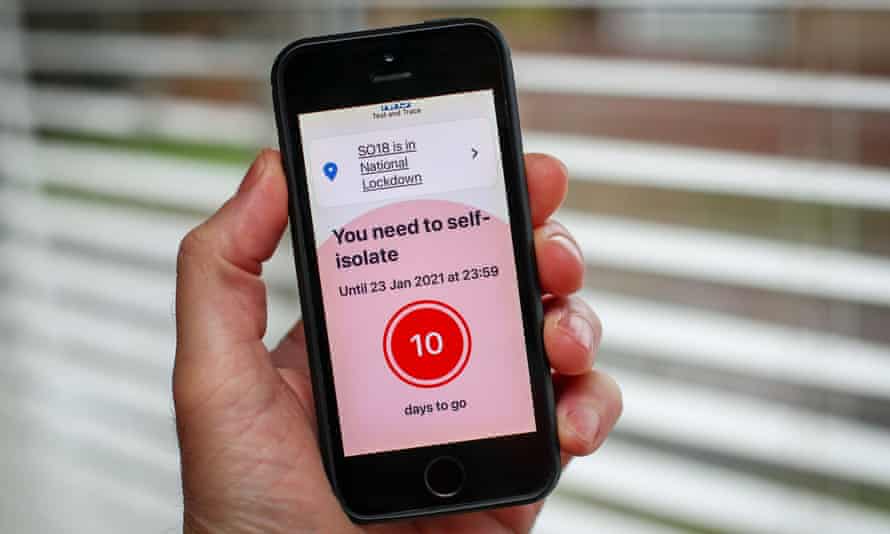
NHS app
‘It’s no wonder that our towns are alive with the sound of pinging. The only surprise is that anyone is shocked by what is now happening.’ Photograph: True Images/Alamy

Last modified on Mon 26 Jul 2021 21.28 BST


We’re now in the full looking-glass stage of the pandemic, where things seem entirely back to front and solutions are treated as problems. The “ping” of the NHS test-and-trace app has been widely criticised as the cause of disruption for businesses, workers and supply chains. But our problem isn’t a “pingdemic”. A ping simply tells you that you have been in contact with someone who is infected and allows you to do something about it. The problem is the high rate of infection that greatly increases the chances that you will have been in contact with someone who has tested positive – and therefore that you might have Covid too.

Right now we are at a point where one in 75 people in England is infected (up from one in 95 the week before) – even without accounting for the government decision to remove almost all measures on 19 July. While there are many factors are involved, meaning we can’t be sure how infection levels will progress, the health secretary, Sajid Javid, has blithely accepted that cases could rise to 100,000 a day, while some estimates suggest they could reach 200,000.

So, every time you sit on a bus, go to a supermarket or enter a bar, the odds are that someone around you will be carrying the virus. And even though some may now be deleting the app (especially workers who would have to rely on the UK’s paltry sick pay if they had to isolate), almost 27 million of us have downloaded it and are still doing so at a rate of more than 300,000 people per week. So it’s no wonder our towns are now alive with the sound of pinging. The only surprise is that anyone is shocked by what is now happening.

In response, the government has concentrated entirely on the consequences of these alerts. It has created a list of exemptions for workers across industries including food, emergency services and medical supplies, who will now not need to self-isolate if they are pinged. In a particularly dystopian turn, staff who are permitted to attend work after being pinged are legally required to self-isolate when they get home.

By burying its head in the sand and ignoring the cause of all the alerts, the government is creating a vicious spiral that makes things more dangerous: more exemptions lead to more infections, more infections lead to more pings, more pings lead to further exemptions – and further exemptions lead to a further increase in infections.

The only way this approach would make sense is if infections no longer mattered. But they do, in many ways. First, only just over half the population (36.6 million, or 54.9%) are currently fully vaccinated. Nearly half are still unprotected or only partially protected. Second, while the vaccines are effective against serious disease, between 4% and 8% of fully vaccinated people who would previously have been hospitalised after infection still will be. Once there are hundreds of thousands of new infections each day, this will result in a lot of hospitalisations.

The third reason is long Covid. There is still much uncertainty around the details of this disease, but it is undoubtedly a real and growing problem. For many people it has been debilitating, and even relatively mild symptoms can severely affect lives, particularly for young people. Cognitive deficits as a result of “brain fog” that lasts a month can still have catastrophic consequences for those who are working or studying for exams, for example.

Fourth, as many commentators have already pointed out, letting an infection rip through a population increases the likelihood of new variants emerging that could undermine the protection offered by vaccines – and send us back to square one. England’s strategy is therefore not only a menace to its population, but to the entire world. And finally, if case numbers climb further, the disruption to lives and livelihoods will be huge. We’re already seeing the beginnings of this now.

You can only ignore huge numbers of infections for so long. Reality soon catches up, and governments then have to slam on the brakes, imposing restrictions that are far more severe than if they had acted sensibly at the start. That is what happened in the first and second waves. It will probably happen again. There is already talk of reimposing restrictions as summer ends and schools, universities and workplaces become full again. Although the government’s “head in the sand” approach employs the rhetoric of freedom, it actually makes future lockdowns more likely.

The obvious alternative is to take infections seriously and enforce measures to drive them down: masks in crowded spaces, maintaining of social distancing where possible, ensuring indoor spaces are well ventilated and supporting people to self-isolate when they need to (all measures, incidentally, that the government may ignore but a clear majority of the public support). This is how you avoid moving backwards towards more draconian restrictions. This is the real “anti-lockdown” strategy.

And by dealing with the problem of infections, you also remove the issue of “pinging”. If only the government had moved to address the former with the same alacrity as it has the latter. Indeed, its failure to confront rising infections suggests that all the focus on the “pingdemic” is nothing more than a distraction to divert from the real, underlying issues: the government’s failure to address spiralling infections, and its pursuit of policies that exacerbate this problem.

In the end, all the twists, turns, U-turns, complexities and ambiguities about who should or shouldn’t do what when they get “pinged” amount to a great deception – a way of diverting attention from ministers’ failure to do better. For this reason, we should call the situation what it is: a pandemic, not a “pingdemic”.

  • Stephen Reicher is a member of the Sage subcommittee advising on behavioural science


  • QUESTI VIRUS SCONOSCIUTI DI 15000 ANNI FA NON ERANO IN DROPLETS, MA ERANO NELL'ATMOSFERA


    Scientists Extract 15,000-Year-Old Viruses From Tibetan Glacier

    Researchers say the ancient pathogens are unlikely to cause humans any harm, but 28 out of the 33 viruses found are new to science

    Researchers extract ice core
    Researchers extracting an ice core from the Guliya Ice Cap in the Tibetan Plateau in 2015. (Lonnie Thompson / Ohio State University)
    smithsonianmag.com
    AddThis Sharing Buttons
    Share to RedditShare to PinterestShare to LinkedInShare to FlipboardShare to PrintShare to More

    Ice core samples from a Tibetan glacier have yielded a collection of viruses and other microbes that are nearly 15,000 years old, reports Isaac Schultz for Gizmodo.

    According to the study describing these microbes, published last week in the journal Microbiome, many of the viruses are unlike any known to researchers today.

    “These glaciers were formed gradually, and along with dust and gases, many, many viruses were also deposited in that ice,” says study author Zhi-Ping Zhong, a microbiologist at Ohio State University, in a statement. “The glaciers in western China are not well-studied, and our goal is to use this information to reflect past environments. And viruses are a part of those environments.”

    The glacier in question is known as the Guliya ice cap and researchers collected their ice cores from its 22,000-foot summit in 2015. Prior studies searching for ancient microbial communities in ice have been plagued by contamination for the same reason that the microbes can be found in the ice: they’re everywhere.

    The study used a new technique to avoid contamination that involves removing the outer layer of ice from each core and then bathing it in a mixture of rubbing alcohol and water to sterilize the surface, reported Maddie Bender for Vice in early 2020, when a pre-print version of the paper was published on BioRxiv before the peer-review process.

    “The biomass is so low that anything you contaminate it with on the outside is going to be at much higher concentrations than anything on the inside of the ice core,” Scott O. Rogers, a molecular biologist at Bowling Green State University who was not involved in the study, tells Vice. “The decontamination issues are extremely important; otherwise, you're going to just get garbage.”

    When the team analyzed the 1,017-foot-deep ice cores, researchers found genetic material from 33 different viruses that had been frozen for nearly 15,000 years, 28 of which were new to science, reports Jack Guy for CNN.

    In the time of the coronavirus pandemic, the phrase “ancient virus” might justifiably make people uneasy, but the researchers say that people shouldn’t worry about their experiments.

    “The way we work with these cores, [the viruses] are immediately ‘killed’ by the chemistry of nucleic acids extraction, so the viruses are not active,” study author Matthew Sullivan, a microbiologist at Ohio State University, tells Gizmodo.

    But climate change is melting glaciers and thawing permafrost, which does have the potential to release active viruses that haven’t circulated on Earth in thousands of years. Some researchers, including Rogers, suggest this presents the real and dangerous possibility that one of these defrosted pathogens might infect humans and cause harm.

    However, the viruses described in this paper as well as in prior research have been geared towards infecting bacteria and amoebas rather than bigger hosts like humans. Furthermore, the viruses discovered in the Tibetan ice cores would need to be adapted to surviving in extremely cold temperatures, which would severely limit their ability to spread to new locations on the planet.

    By studying these millennia-old microbes, Sullivan tells CNN he and his co-authors hope to better understand the pace of viral evolution and to better understand the microbial communities of the past.

    “We know very little about viruses and microbes in these extreme environments, and what is actually there,” says Lonnie Thompson, senior author of the study and earth scientist at Ohio State University, in the statement. “The documentation and understanding of that is extremely important: How do bacteria and viruses respond to climate change? What happens when we go from an ice age to a warm period like we’re in now?”

    L'Agenzia Europea per il controllo delle malattie infettive prevede un forte aumento dei casi di COVID a partire dal 1. agosto: OVVERO, I VACCINI NON HANNO FATTO UN TUBO E CONTINUERANNO A NON FARE UN TUBO, MA LA UE PRETENDE CHE IL 70% DELLA POPOLAZIONE VACCINATA INDUCA L'IMMUNITA' DI GREGGE. BALLE.


    European Union's Disease Agency Predicts Sharp Rise In Covid Cases By August 1

    The EU disease agency expects to see 420 COVID-19 cases per 100,000 inhabitants for the week ending on August 1, it said in a weekly report.

    European Union's Disease Agency Predicts Sharp Rise In Covid Cases By August 1

    The European Centre for Disease Prevention and Control covers EU, Norway and Iceland (File)

    Stockholm:

    The Europea Union (EU)'s disease agency said Friday it was predicting a sharp increase in coronavirus cases, with nearly five times as many new infections by August 1.

    The expected rise in cases was linked to the highly-transmissible Delta variant, first identified in India, along with the relaxing of measures in European countries.

    In its coverage area -- which includes the European Union, Norway and Iceland -- the European Centre for Disease Prevention and Control (ECDC) expected to see 420 cases per 100,000 inhabitants for the week ending on August 1, up from just under 90 last week, it said in a weekly report.

    By the week after, the number of new cases is expected to rise above 620 per 100,000 inhabitants.

    "The current continuing deterioration of the epidemiological situation in many countries is expected to continue given the rapid increase in the Delta variant," the ECDC said in the report.

    Hospitalisations and deaths are also expected, although at a slower pace, according to the ECDC, thanks to the rollout of vaccination campaigns.

    Currently, hospitalisations remain stable in most countries but the number of deaths associated with Covid-19 is expected to exceed 10 per 1,000,000 inhabitants again, compared with 6.8 last week, the agency noted.

    The ECDC said it was forecasting increasing cases in 20 countries and increased deaths in nine: Cyprus, Greece, Lithuania, Luxembourg, Malta, the Netherlands, Portugal, Slovenia and Spain.

    "In the most affected countries, the steepest increases and highest notification rates were reported among 15 to 24-year-olds, with limited increases in persons aged over 65 years," the ECDC said in a statement.

    While these figures are projection the level is in line with that seen during the peaks in the second half of 2020 and April 2021, according to the EU agency's data.

    Between July 5 and 11, the number of new cases in the European Union jumped by over 60 percent, increasing for the second week in a row, according to the ECDC, due to "relaxation of non-pharmaceutical interventions and increasing spread of Delta variant" first detected in India.

    Last month, the Stockholm-based agency warned that the Delta variant was on track to account for 90 percent of new cases by the end of August.

    Comments (Except for the headline, this story has not been edited by NDTV staff and is published from a syndicated feed.)

    Europeans’ confidence in EU hit by coronavirus response


    Europeans’ confidence in EU hit by coronavirus response

    This article is more than 1 month old

    Survey shows many consider project ‘broken’ although still back membership and more cooperation

    The report from the European Council on Foreign Relations said that many felt the bloc had ‘missed an opportunity to prove its worth’ during the pandemic.
    The report from the European Council on Foreign Relations said that many felt the bloc had ‘missed an opportunity to prove its worth’ during the pandemic. Photograph: Kenzo Tribouillard/AFP/Getty Images
    Europe correspondent

    Last modified on Thu 10 Jun 2021 11.03 BST


    Confidence in the EU’s ability to handle crises has taken a hit from Covid-19, a major survey shows, but dissatisfaction with national political systems is even higher and most people still support EU membership and want a stronger, more cooperative bloc.

    The report’s authors suggested the polling should be a wake-up call for Brussels, warning that while public support for the broader European project remained high in many countries, it was fragile and would not easily survive more disappointment.

    Europeans were “making a distinction between the need for cooperation and solidarity at a European level, and their confidence in the EU to deliver”, they said, and were unhappy the bloc had “missed an opportunity to prove its worth”.

    The polling also suggested Brexit had changed Europeans’ views of the UK, with the prevailing view now seeing Britain – like the US – as a “necessary partner” to be “strategically cooperated with” rather than an ally, and one in four Germans and one in five French and Spanish respondents considering it as a rival or adversary.

    The report, published by the European Council on Foreign Relations (ECFR) on Wednesday, suggested the bloc’s poor early response to the pandemic and slow initial vaccine rollout had dealt a heavy blow to confidence in its capabilities.

    In half the states surveyed, most respondents had little confidence in the EU or said their confidence had deteriorated, with majorities in France (62%), Italy (57%), Germany (55%), Spain (52%) and Austria (51%) saying the EU project was “broken”.

    However, disillusionment with national politics was even higher, with 80% of respondents in Italy and Spain, 66% in France, 60% in Portugal, 55% in Poland and 54% in Hungary saying their own domestic political system was “broken”.

    Moreover, in all of the states bar one, a majority of respondents still felt membership of the EU was “a good thing” for their country (the exception was France, where the largest number of respondents said membership was “neither good nor bad”).

    The survey revealed a broad sentiment that the 27 members should cooperate more, with majorities in all of the 12 countries surveyed except France and Germany – where there were significant minorities of 47% and 45% respectively – saying the coronavirus pandemic showed a need for greater collaboration.

    And despite their frustrations, respondents in eight out of the 12 countries still saw the EU as key to their country’s recovery from the coronavirus crisis.

    In every country polled, a majority of respondents – headed by Portugal at 58%, Spain and Hungary on 48% and Italy at 45% – said they would like to see the EU adopt a more unified response in future towards global crises and challenges.

    A plurality also said they wanted to see the EU playing a more assertive role on the world stage, for example by championing human rights and the rule of law when they are violated in countries such as Turkey and China, while prioritising democratic values and the rule of law within the bloc.

    The report’s authors, ECFR senior policy fellows Susi Dennison and Jana Puglierin, said there remained broad public consensus for greater European cooperation and collaboration on major international challenges, but it was fragile.

    “The fact that two of the EU’s largest and most influential states – France and Germany – are the least convinced about the need for European cooperation underlines the urgency with which the EU needs to up its game,” the authors wrote.

    “Both countries have important national elections coming up in the next year, which may present a challenge for the EU’s leaders. Our polling data indicates that the EU has used up its second chances.”

    They said EU leaders had an opportunity at this summer’s G7, Nato and EU-US summits to “reboot the permissive consensus for the European project”, but must avoid “institutional over-reach or over-promise”.

    Instead, they said, they should focus on “playing a role where they can genuinely enhance national governments’ efforts, and in which the European public want to see them engaged”, such as human rights, the rule of law and democratic values.

    Post-pandemic recovery would be critical, they said. “The commission cannot afford to make the same mistakes as it orchestrates the bloc’s economic revival,” Dennison said. “The recovery fund, by ushering in green, inclusive growth, could be the EU’s next success story.”

    Puglierin added that the data showed Europeans wanted “decisive leadership that prioritises multilateralism, and which advocates and defends their values and interests on the global stage. Senior EU figures would do well to listen and act accordingly. They may not get another chance.”


  • IN ISRAELE SANNO CHE I VACCINI NON FUNZIONANO MA SOMMINISTRANO RICHIAMI PALLIATIVI

    Israel to offer coronavirus vaccine booster to people over 60

    Access to the comments Comments
    By Euronews with AP
    A man receives a third dose of the Pfizer-BioNTech COVID-19 coronavirus vaccine
    A man receives a third dose of the Pfizer-BioNTech COVID-19 coronavirus vaccine   -   Copyright  JACK GUEZ/AFP
    Text size Aa Aa

    Israel will offer those over the age of 60 who are already vaccinated against COVID-19 a third booster jab.

    The country is leading the world in its coronavirus vaccine programme, and prime minister Naftali Bennett announced on Thursday anyone over 60 who was vaccinated more than five months ago will be eligible.

    The announcement makes Israel the first country to offer a third dose of a Western vaccine to its citizens on a wide scale.

    “I'm announcing this evening the beginning of the campaign to receive the booster vaccine, the third vaccine,” Bennett said in a nationally televised address.

    “Reality proves the vaccines are safe. Reality also proves the vaccines protect against severe morbidity and death. And like the flu vaccine that needs to be renewed from time to time, it is the same in this case.”

    The decision comes at a time of rising infections and signs that the vaccine’s efficacy dwindles over time.

    Bennett said the country's new president, Isaac Herzog, would be the first to get the booster on Friday. It will also be offered to the general public.

    Bennett, who is 49, said his first call after the news conference would be to his mother to encourage her to get her booster shot.

    Neither the US nor the EU have approved coronavirus booster shots. It’s not yet proven if a third dose helps and, if so, who needs one and when.

    But Bennett said that a team of expert advisers had agreed overwhelmingly, by a 56-1 margin, that it made sense to launch the booster campaign.

    He said the recommendation was made after “considerable research and analysis” and that its information would be shared around the world.

    Preliminary studies in Israel have indicated the vaccine’s protection against serious illness dropped among those vaccinated in January.

    “The findings show that there is a decline in the body’s immunity over time, and the purpose of the booster is to re-strengthen it, thus significantly reducing the chances of infection and serious illness,” Bennett said.

    Israel has used the Pfizer/BioNtech vaccine on its population. Previously, boosters were used in some countries with the Chinese and Russian vaccines.

    Early this year, Israel carried out one of the world’s most aggressive and successful vaccination campaigns, reaching a deal with Pfizer to purchase enough vaccines for its population in exchange for sharing its data with the drug maker.

    Over 57 percent of the country’s 9.3 million citizens have received two doses of the Pfizer/BioNTech vaccine, and over 80 percent of the population over 40 is vaccinated.

    The vaccination program allowed Israel to reopen its economy ahead of other countries. But Israel has seen a spike in cases of the new delta variant, even among people who are vaccinated.

    Bennett urged unvaccinated Israelis, especially younger people who have been hesitant, to get vaccinated immediately.

    Earlier this month, Israel started giving individuals with weakened immune systems a third shot to increase their resilience against COVID-19.

    Pfizer said on Wednesday that the effectiveness of the vaccine drops slightly six months after the second dose. Pfizer and its German partner BioNTech have said they plan to seek authorisation for boosters in August.

    Most studies — and real-world data from Britain and the US — so far show that the Pfizer vaccine remains powerfully protective against serious illness. On Wednesday Pfizer released data from its long-running 44,000-person study showing that while protection against any symptomatic infection declined slightly six months after immunisation, protection against severe COVID-19 remained at nearly 97 percent.

    Earlier this month, Israel’s Health Ministry announced that protection against severe disease was around 93 percent.

    The World Health Organization said earlier this month that there is not enough evidence to show that a third dose is needed.

    The agency's officials have appealed for wealthier countries to share vaccines with poorer nations that have yet to immunise their people, instead of using them as boosters.

    Israel itself has come under criticism for not sharing more of its vaccines with the Palestinians.

    The Israeli Health Ministry recorded at least 2,165 new coronavirus cases on Thursday, following an accelerating rise in infections over the past month.

    Serious cases of COVID-19 have grown from 19 a day in mid-June to 159 as the highly infectious delta variant has spread.

    Thanks to its successful vaccination campaign, Israel lifted almost all of its coronavirus restrictions this spring.

    But with new cases back on the rise, the country has tried to halt the spread of the highly infectious delta variant by re-imposing limitations on gatherings, restoring a “green pass” system for vaccinated people to enter certain enclosed spaces, and an indoor mask mandate.

    L'OMS SI STA DEDICANDO ANCHE AI PROBLEMI MENTALI INDOTTI DAL COVID. BEN PRESTO SUI VOSTRI SCHERMI.


    WHO Europe Chief Kluge calls for a greater vaccination push

    Access to the comments Comments
    By Fay Doulgkeri
    WHO Europe Chief Kluge calls for a greater vaccination push
    Copyright  euronews
    Text size Aa Aa

    Millions of people in Europe and around the world are struggling with the consequences of COVID-19. More than four million lost their lives, with many businesses bankrupt and, of course, it's been a heavy toll on mental health, which was also the topic of the summit organised in Athens by the World Health Organisation and the Greek Ministry of Health.

    To discuss this and about the pandemic in general, Euronews spoke to the regional director for Europe of WHO, Hans Kluge.

    We begin with the recent development in the investigations of the international delegation in China regarding the origins of the virus. From one side, we have the head of the organization recently saying that maybe it was a bit too premature to rule out a leak, a laboratory leak. And from the other side, China rejected the proposed plan from WHO for a second phase of an investigation.

    Do you have any indications leading to suspicion that there was a laboratory leak? And what are you going to do from now on?

    "I think that's a question for Dr. Tedros at WHO in Geneva, because I'm the WHO regional director for Europe, which encompasses the 53 European member states, and China is not one of them. So I was not privy to the mission. So the information I have is the same as we are hearing from our director-general, which is that all options are on the table and should be investigated. But we should remember that at the time of the investigations for the origin of the MERS or the SARS 1 virus, it took between one and two years and a half to establish some link between the virus and the intermediary host. So it's normal that such an investigation takes a little bit of time."

    As an official of WHO, do you think it's going to be challenging?

    "Well, I think that's a question, honestly, for Dr. Tedros in Geneva, because I am responsible for the 53 WHO European member states. China is not one of them. So I think it wouldn't be fair for me honestly to give a comment on that one as I am not dealing with China. But I see that Dr. Tedros has issued a call for experts to establish an expert group to take the second phase of the investigations forward. And I think we should give that investigation a little bit of time to move on."

    The vaccinations in Europe is the way out of this pandemic. Are the numbers satisfactory?

    "The way out of the pandemic, I would say is threefold. I call it VIP approach. The 'V' from variants. We have to study very closely the variants, in this case, the Delta variant, which is attacking people who are not or insufficiently vaccinated. The 'I' from immunisation, we need to scale up. So the answer is no, it's not enough yet. We have 26% coverage in the European region and then the 'P' from people. We need to further engage with the people, encourage them to take the vaccine, but also adhere still to the public health measures, including wearing of masks when we cannot take distance of one metre and a half."

    Where do you stand about mandatory vaccinations? This is a very hot debate right now in Europe.

    "It's a very hot debate. So WHO encourages any measure to increase coverage of vaccination as long as this is legally and socially acceptable. But it should not be a first resort because first we have to try to understand what's in the mind of the people, what are their perceptions, and then engage with the communities which are hesitant to get vaccinated. And we do have a lot of experience with behavioural insight service to convince the people, making use of influencers, look who is hesitant and think who can influence those people in a way of dialogue."

    Are countries such as Africa and Asia being left behind because they cannot afford a vaccine?

    "Absolutely. We see a huge inequity there. Even in the pan-European region, there are ten countries with less than 10% of coverage. And you're right, if you look to some African countries, solidarity is the only way out. No one is safe until everyone is safe because the aggressive Delta variant is crossing the borders. But I do see much more solidarity, including from Greece, which is donating vaccines to other countries."

    How concerned are you about new variants? Do you think there might be new and more contagious or more dangerous ones?

    "That there will be new for sure. There have been hundreds and hundreds of variants and we have been monitoring this since the very beginning. But often they are not so harmful. This Delta and Delta plus variant we have to monitor very closely. But what is the solution? The more transmission, the more variants. In other words, we have to scale up the vaccination."

    MENTAL HEALTH

    You presented the survey findings of the impact of COVID-19 in mental health around Europe, what are the key points of these findings.

    "The key point is that mental health was a challenge before the pandemic. It is the biggest cause of disability. One out of six people in, let's say, (during) three COVID times had a mental health disorder. The big finding now from the survey is that every one of us is vulnerable. Everyone, even if he is strong one moment, can develop a mental health disorder, particularly anxiety, depression. And that is what the Athens summit is doing. I'm very grateful to Greece, to the prime minister, the minister of Health Kikilias to lift mental health from the darkness. It has to be the cornerstone of our society, our way of living. Mental health is everybody's business."

    Can you elaborate a little bit about the findings of the survey?

    "We have to focus first and foremost on what we call High-Risk groups, for example, the children, the adolescents, because they suffered a lot with the school closure. The schools are not only a setting for education, but it also provides some social protection, for example, against domestic violence, which is not a very big concern. But also the survey showed we have to pay much more attention to our health and social care workers. And I really would like to express my appreciation to all the Greek and European health workers who have been and are still the heroes of this pandemic."

    You have said that forging a new path for mental health promotion and care should be our goal. Do you think that this is possible amid restrictions because of the pandemic?

    Absolutely. We have no choice. Extraordinary times require extraordinary solutions. And at the WHO Europe's governing bodyboard in September, we hope to get a European action plan approved."

    Lettori fissi