https://tirarelacqua.blogspot.com/2024/07/google-inculata-sangue-dal-piu-piccolo.html
Dall’incipit del libro:
Per illusione s’intende una
rappresentazione erronea nella nostra mente di fenomeni per forza di
circostanze della più varia natura. Queste forze, conducenti a tali
risultati, considerate nella loro attività, connessione e continuità,
costituiscono il processo attivo dell’illusione. In quanto l’illusione
sia ottenuta da queste forze in modo indiretto, furtivo, mascherato, può
essere detta suggestione (da sub-gerere). Chi subisce l’illusione, il
suo soggetto paziente, chiamasi illuso.
Di tutte le illusioni, in cui possiamo cadere, una specie
particolare assai comprensiva è quella delle illusioni politiche, la
quale in ampio senso comprende i giudizi politici erronei delle masse
sociali. Questa specie di illusioni include varie sottospecie: noi ci
limitiamo a ricordare qui l’illusione politica in stretto senso e
l’illusione finanziaria. La prima si riferisce alle fallacie delle masse
intorno ai fini dello Stato e agli effetti della sua attività; la
seconda si riferisce agli errori su certi mezzi, e non su tutti, che
l’ente politico adopera per raggiungere i suoi scopi e più precisamente
sulle entrate e sulle spese pubbliche. L’illusione finanziaria racchiude
adunque una categoria di errori che tende ad alterare il costo dello
Stato, ed un’altra che tende ad alterarne l’utilità.


https://tirarelacqua.blogspot.com/2024/07/google-inculata-sangue-dal-piu-piccolo.html
“... und dass die Stärke des Volkes sich misst am Wohl der Schwachen,”

Seit 1999 können Sie auf diesen Seiten hier über die Entstehung einer Weltwirtschaftskrise lesen, die ihre Ursache in dem Schwinden der Kaufkraft eines immer größer werdenden Teils der Bevölkerungen und der öffentlichen Haushalte hat.
Die Öffentlichkeit, die Experten auf dem Gebiete der Ökonomie sowie unsere Politiker hatten demgegenüber die längste Zeit stets nur eine boomende, allenfalls einmal eine gedämpfte Volkswirtschaft vor Augen.
2007, nachdem die ersten Meldungen aus den USA über die dortige Bankenkrise und über ihre angeblichen Folgen für Europa eingetroffen waren, zeigten sich die “Optimisten” überrascht von dieser Krise. Aber die Überraschung dauerte nur kurz. Schnell waren die (angeblich) Schuldigen gefunden: die Banken und die FED! Doch plötzlich hatten wir ein “systemisches” Bankensystem das mit Milliardensummen vom selbst hoch verschuldeten Staat “gerettet” werden musste. Auch die zuvor stets verteufelten “Konjunkturpakete” wurden von der Regierung entdeckt. Doch wer bzw. wessen Vermögen wurde tatsächlich gerettet?!
Schon 2009 hieß es von unserer ach so weit blickenden Regierung, die Weltwirtschaftskrise sei überstanden, der Aufschwung wieder da. Kaum war dies gesagt, trauten sich schon die ersten Unternehmer wieder, ihre Preise zu erhöhen. Die Inflation war zurückgekommen. Viele Leute sagten sogar, von einer Wirtschaftskrise hätten sie gar nichts gespürt. Andere gingen Konkurs, manche warfen sich vor den fahrenden Zug, und wiederum andere konnten ihr Glück kaum fassen, weil sie von den staatlichen Verschuldungen bzw. “Konjunkturpaketen” profitierten wie nie zuvor.
Seit Anfang 2010 heißt es plötzlich, gewisse Staaten Europas könnten ihre Schulden nicht mehr bedienen und stünden vor der Pleite. Ein Ringen um die angebliche “Rettung des Euros” beschäftigt seither unsere hohen Politiker europaweit. Auch hier fragt sich, wer bzw. wessen Vermögen wurde tatsächlich gerettet?!
Nicht unsere Politiker bestimmen das Geschehen, sondern eine Krise nach der anderen (in Wahrheit ist es immer noch dieselbe Weltwirtschaftskrise) treibt die Politiker vor sich her.
Seit 2011, glauben die meisten, glauben unsere Politiker die Ursachen und Zusammenhänge der Krise verstanden zu haben. Doch begriffen haben sie in Wirklichkeit so gut wie nichts.
Verehrte Leser, Sie werden mit diesen Seiten auf Fakten und Zusammenhänge aufmerksam gemacht, die Sie sonst so in der Öffentlichkeit nicht antreffen. Ihnen wird einiges fremdartig erscheinen, und vielleicht spüren Sie auch, dass Ihr Weltbild oder zumindest Ihr Bild von Deutschland erschüttert wird.
Wenn Sie die 1960er Jahre und das “Wirtschaftswunder” noch miterlebt haben, dann werden Sie sich vielleicht wundern, dass es seither - trotz des Überflusses an Gütern aller Art - in Puncto Staatsverschuldung und Arbeitslosigkeit, aber auch in vielen anderen Beziehungen stets bergab ging und dass die Politiker - egal welcher Partei - es bis heute nicht geschafft haben, diesen Trend zu stoppen oder gar umzukehren. Ob Sie es glauben oder nicht: Die Politiker haben von dem, was Sie hier lesen werden, keine Ahnung. Sie weigern sich sogar, sich damit zu befassen: Einmal auf der Karriereleiter für Politiker oben angekommen, “wissen” die von Berufs wegen einfach alles besser.
Sie werden auf diesen Seiten sehen, dass die soziale Marktwirtschaft nicht mehr existiert und dass einzelnen Staatsbürgern die Macht eingeräumt worden ist, die individuelle Freiheit unterdrücken und namens einer falsch verstandenen Freiheit einschränken zu dürfen. Die soziale Marktwirtschaft ist längst dem modernen Feudalismus, dem Meudalismus, gewichen. Der Wettbewerb, wie ihn Ludwig Erhard forderte und schützte, existiert schon lange nicht mehr. Meudalherren bestimmen das Schicksal unserer Nation, ja sogar der ganzen Welt.
 |
Die Politiker nach Ludwig Erhard und gerade unsere Politiker heute vermochten und vermögen dieses Problem bedauerlicherweise nicht zu sehen. Die Katastrophe ist bereits da, aber die Politiker begreifen sie immer noch nicht: [Irrwege/Krisenpolitik]. Und die Medien auch nicht (s.u.).
Auch der diese Woche verstorbene und von Vielen bewunderte Altkanzler Helmut Schmidt hatte bis zuletzt nicht begriffen, dass er einer der ersten Förderer des Meudalismus in Deutschland und Europa war [Irrwege/Nilpolitik].
Ich wünsche Ihnen jedenfalls viel Mut und Ausdauer beim Lesen und Verstehen! Und ich wünsche Ihnen noch mehr Mut und Ausdauer, die kommenden Jahre zu überstehen!
Leider hat sich auch seit der Bankenkrise 2007/2008 nichts Entscheidendes verbessert. Gut, dass ein Herr Schulz von der SPD dieses Jahr nicht Kanzler wird. Aber die anderen sind auch nicht besser! Xavier Naidoo hat dieses Jahr mit seinem Lied “Marionetten” http://www.xaviernaidoo.de/content/marionetten jedenfalls den Nagel auf den Kopf getroffen.
 |
Seit 2014 treibt unsere Politik des Meudalismus durch Merkel neue
Blüten. Aus Asien und Afrika werden Millionenfach junge Männer mit
Versprechungen auf ein schönes und bequemes Leben nach Deutschland
gelockt, während hier gleichzeitig die Propaganda für 
Bei alledem geht es den Initiatoren dieser Politik in Deutschland nur darum, einem Arbeitsmarkt (Oskar Lafontaine nennt es zu Recht: Viehmarkt) ähnlich dem in China zu installieren: zig Millionen williger Menschen malochen für immer weniger Geld (i.S. absoluter Kaufkraft) für unsere Meudalherren, weil noch mehr Menschen arbeitslos sind und mit der Übernahme des Jobs für noch weniger Geld drohen.
Seit Anfang des Jahres 2020 greift eine neue, weltweit angelegte Strategie unserer Meudalherren zur Unterwerfung der Menschen: Die Corona-Krise! Ausführlich dazu das Interview von Ken Jebsen mit Ullrich Mies:
(Das vollständige Video finden Sei unter: https://kenfm.de/ullrich-mies-mega-manipulation/)
Wir sind dabei, nicht nur unsere Sicherheit, sondern auch unsere Freiheit zu verlieren. Deshalb möchte ich auch auf mein knappes Strategiepapier verweisen:
Karlsruhe, den 28.08.2020
Ihr Dr. Wo
PS: Bitte beachten Sie auch die Hinweise unten!
Für einen umfassenden Überblick auch Prof. Dr. Rainer Mausfeld am 01.05.2017:
Reiner Kröhnert 2005. Quelle des Clips:
http://www.reiner-kroehnert.de
War da bei Reiner Kröhnert nicht gerade die Rede von George W. Bush? Hören wir doch mal, was der zu dem Thema zu sagen hatte!
Quelle des Clips: http:/www.michaelmoore.com
|
|
|
||
|
|
||
Mittelschicht?Der Farbbalken Es handelt sich Weitere Infos
|
Aktuelle Zahlen (Jan 2020):Geldmengen pro Haushalt / Vermögen & “Stundenlohn” Die 60 DM Kopfgeld 1948 Der Bruttostundenlohn aller Geldumlaufgeschwindigkeit: |
|
Aktuelle Themen:Krisenpolitik - eine unendliche Geschichte |
||
|
50 Jahre nach
*Dr. Jürgen Borchert, Vorsitzender Richter am Hessischen Landessozialgericht Weitere Infos
|
||
|
Sie möchten auf dem Laufenden bleiben? |
||
|
Zeigen Sie Flagge
Sie erhalten das “Shirt” schon mit vorbereitetem Text u. a. bei |
||
“Der Feudalismus von heute ist ein Feudalismus mit menschlichem Gesicht.”
Der Aufschwung ist da!
“Die richtigen Fragen”
Die Anstalt vom 05.04.2016 fast nur der Kritik am modernen Feudalismus gewidmet:
https://tirarelacqua.blogspot.com/2024/07/google-inculata-sangue-dal-piu-piccolo.html
PRIMA FANNO LEGGI CRIMINOGENE CHE INCENTIVANO LE AZIENDE A TRUFFARE LAVORATORI E STATO:
https://eur-lex.europa.eu/legal-content/EN/TXT/?uri=celex:32001L0023
POI LA UE HA PAURA DI SE' STESSA E, DOPO AVERE DECURTATO LE COMPETENZE DEI GIUDICI NAZIONALI, GLI ORDINA DI DECIDERE IN MERITO ALL'APPLICAZIONE DELLA DIRETTIVA 2001/23/EC IN AUTONOMIA, MA L'AUTONOMIA NON C'E' PIU' E IL PARLAMENTO ITALIANO E' INCAPACE DI E NON HA NESSUNA INTENZIONE DI FORNIRE LORO STRUMENTI VALIDI:
https://curia.europa.eu/juris/document/document.jsf?text=2001%252F23%252FEC&docid=239904&pageIndex=0&doclang=IT&mode=req&dir=&occ=first&part=1&cid=1020178
BRAVO DI MAIO!!!!
PRENDITELA CON LE PENSIONI DEI SINDACALISTI, PER TUTTO IL RESTO TI MANCA SEMPLICEMENTE IL CERVELLO.
----

ROMA - Obbligo per l’azienda di comunicazione preventiva alle istituzioni (locali e nazionali) dell’intenzione di chiudere la fabbrica. Obbligo di accedere preliminarmente agli ammortizzatori sociali disponibili. Obbligo di stesura di un piano di reindustrializzazione per il “dopo” e compartecipazione con lo Stato ai relativi investimenti. Pagamento dei danni sociali, parametrati alle perdite occupazionali ingenerate, in caso di mancata adesione al percorso, sulla falsariga di quelle previste dalla legge 223 sui licenziamenti collettivi.
Sta prendendo forma l’intervento anti-delocalizzazioni del governo, un combinato disposto di norme allo studio al ministero dello Sviluppo Economico (in particolare al tavolo della viceministra Alessandra Todde) e al ministero del Lavoro. Il provvedimento riguarderebbe le imprese con più di 50 addetti e non si applicherebbe retroattivamente, lasciando dunque fuori i licenziamenti annunciati dalle multinazionali nelle ultime settimane o precedentemente, dalla Whirlpool alla Gianetti, dalla Timken alla Gkn che proprio ieri l’altro ha ribadito ufficialmente di non voler ritirare le procedure di chiusura della fabbrica.
Un’impossibile retroattività sulla quale naufragò nel 2018 il giro di vite annunciato dall’allora ministro dello Sviluppo Economico, Luigi Di Maio, a fronte della chiusura della Bekaert di Figline Valdarno: il decreto Dignità strinse i bulloni alle norme anti-delocalizzazioni varate dalla Legge di Stabilità 2014, fondata sulla restituzione dei fondi pubblici ricevuti dall’azienda, ma Bekaert ormai aveva già chiuso, dunque se la cavò. E soprattutto da allora non è stata sanzionata alcuna multinazionale che abbia delocalizzato. Per limiti costituzionali e di normativa europea, si sono giustificati i governi successivi, sta di fatto che ora si torna alla carica con il rischio di chiudere la stalla quando i buoi sono già scappati.
La filosofia dell’intervento normativo allo studio, è quella di privilegiare fin dove possibile i percorsi delle relazioni industriali e del confronto tra le parti in causa, passando poi in caso di impraticabilità alle misure impositive e, in ultimo, alle sanzioni. Altro caposaldo, ispirato alla legge Florange del 2014 (dal nome dell’allora ministro dell’Industria del governo Hollande), è il tentativo di rendere davvero risolutivi i processi di reindustrializzazione delle fabbriche chiuse, coinvolgendo e vincolando l’azienda che abbandona l’impianto.

In Italia i processi di reindustrializzazione hanno fin qui faticato ad avanzare perché condizionati dai troppi casi di progetti velleitari (sconfinati in alcune occasioni in operazioni su cui è dovuta intervenire anche la magistratura, come per la ex Embraco di Torino o la Blutec di Termini Imerese).
Emblematica la vicenda della Whirlpool di Napoli, con la multinazionale americana che contestualmente all’abbandono dello stabilimento di Via Argine, presentò a governo e sindacati il piano di intervento di un imprenditore italiano pronto a rilevare la fabbrica di lavatrici per convertirla alla produzione di frigo-container. Opzione respinta dai lavoratori che, oggi, sono ancora di fronte al bivio tra la chiusura definitiva e la reindustrializzazione. Perché Whirlpool non ha mai arretrato di un centimetro dall’idea di lasciare Napoli, nonostante l’ottima salute dei conti del gruppo e dell’attività negli altri impianti italiani, e i governi che si sono succeduti negli ultimi anni poco o nulla hanno fatto per convincerla.
Fin qui le idee per frenare le delocalizzazoni. Intanto il ministro Giancarlo Giorgetti pensa anche a cosa fare per attirare in Italia le multinazionali: se ne parlerà in settimana nel Comitato per l’attrazione degli investimenti esteri e l’intenzione del titolare del Mise è quella di razionalizzare gli incentivi e i rapporti tra Ice, Invitalia e gli altri soggetti operativi.
https://tirarelacqua.blogspot.com/2024/07/google-inculata-sangue-dal-piu-piccolo.html

----
di G.Sa.
2' di lettura
Ampio capitolo dedicato all’export nell’audizione che il ministro degli Esteri, Luigi Di Maio, ha tenuto ieri alle commissioni congiunte di Camera e Senato sulle linee programmatiche del suo ministero. È stata l’occasione per tracciare un bilancio della riforma che dal 2020 ha affidato alla Farnesina la regia unica del sistema di sostegno pubblico all’internazionalizzazione. «Il bilancio - ha detto Di Maio - è molto positivo: la riforma ha reso più efficaci ed efficienti le azioni di sostegno all’export, evitando la duplicazione di iniziative e favorendo una strategia unitaria, ma sempre condivisa con tutti gli attori istituzionali e con il mondo produttivo».
Il pilastro principale di questa azione è stato il Patto per l’export, che ha messo a disposizione 4,2 miliardi nell’anno della pandemia. «Abbiamo varato - ha notato il ministro - una strategia di sostegno e rilancio per le nostre aziende senza precedenti».
Di Maio ha poi ricordato alcune iniziative specifiche particolarmente qualificanti. Come il «temporary export manager», volto a inserire, per la durata di un anno, uno o più esperti digitali presso le Pmi. «Il bando del valore di 50 milioni di euro - ha detto Di Maio - è stato da poco pubblicato e ne potranno beneficiare circa duemila piccole imprese del settore manifatturiero».
Sul piano della formazione in campo digitale è stata inaugurata, lo scorso 10 marzo, Smart Export, “accademia digitale per l'internazionalizzazione delle Pmi”, in collaborazione con Agenzia Ice e Crui. Il progetto – che proseguirà sino a marzo 2022 – consentirà a 20mila micro, piccole e medie imprese di partecipare gratuitamente a percorsi on-line di alta formazione.
 https://tirarelacqua.blogspot.com/2024/07/google-inculata-sangue-dal-piu-piccolo.html

Rispetto al molte chiusure e licenziamenti nelle imprese, la viceministra allo Sviluppo economico, Alessandra Todde, denuncia «atteggiamenti predatori dettati da una logica di profitto di breve termine». E aggiunge, spiegando il provvedimento che renderà più difficili le delocalizzazioni «con questo decreto vogliamo chiarire che esiste anche una responsabilità sociale delle imprese».
«Noi non colpiamo le ristrutturazioni tout court, ci mancherebbe» spiega Todde in un’intervista a La Stampa. «Non vogliamo colpevolizzare chi fa turn around perché deve passare a modelli produttivi diversi, non abbiamo di certo in testa imprese che vivano di sussidi. La competitività è l’obiettivo, ma atteggiamenti puramente speculativi non sono più accettabili. Chi non è in crisi e vuole tagliare, può farlo. Ma dovrà seguire un percorso ordinato, che coinvolga le parti sociali e favorisca l’arrivo di nuovi imprenditori».
«C’è la libertà d’impresa, ma c’è anche una responsabilità sociale» aggiunge Todde. «Quando lasci a casa decine di lavoratori senza essere in crisi, devi fartene carico in qualche modo. Il perimetro occupazionale va salvaguardato, altrimenti interi territori rischiano di morire per logiche di mera speculazione. Lo stiamo vedendo a Campi Bisenzio con la Gkn: non è in crisi, di recente il gruppo con un’altra società ha incassato 3 milioni di aiuti pubblici e ora con 500 licenziamenti mette in ginocchio un territorio. Non si può accettare».
https://tirarelacqua.blogspot.com/2024/07/google-inculata-sangue-dal-piu-piccolo.html

Venti professionisti italiani, tutti sui trent’anni, lanciano un progetto pilota coinvolgendo i comuni delle due città, aziende e dipendenti. "Potenzialmente potrebbe mitigare le disparità fra nord e sud. Si tratta di intendere il lavoro in una nuova prospettiva"


 https://tirarelacqua.blogspot.com/2024/07/google-inculata-sangue-dal-piu-piccolo.html
Is the world transitioning to a post-democratic market system?
Capitalism changes with its organic crises and the way the state manages these crises. From the Long Depression (1873–1896) arose organized capitalism set in a world of inter-imperialist rivalries, from the Great Depression (1929–1939) emerged Fordism, and from Fordist capitalism’s great crisis (1967–1979) emerged globalized financial market capitalism. And in 2007 globalized financial market capitalism, sometimes described as “neoliberalism”, entered into the fourth organic crisis in the history of capitalism. The question is: is this crisis over? And, if so, has a new capitalism already arisen out of the crisis of global financial market capitalism?
At the onset of the crisis, some variant of “green capitalism” was long regarded as the most viable project. The need to prevent a global financial meltdown then to be followed by a Great Depression 2.0 necessitated multilateral coordination and statecraft and the implementation of historic stimulus programs. This was the so called “Keynesian resurgence” of the early 2000s. It was nurtured by the desire to prevent the same historic mistakes from the Great Depression, when states’ austerity policies (Hoover in the US, Brüning in Germany, etc.) depressed economies and led to a downward spiral of diminished demand, deflation, and layoffs, while the increasing misery of the masses helped pave the way for the rise of fascism and other far-right forces alongside a radicalized socialist movement that, from the perspective of the ruling classes, threatened private property as the main source of capitalist power.
Forces on the left of the political spectrum saw the Keynesian resurgence as a window of opportunity. They envisaged a Green New Deal (GND) as a coordinated effort to deal with the multiple facets of the crisis: the social and economic crisis, the climate crisis, the crisis of democracy, and the crisis of social reproduction. Based on the understanding that the capitalist market is not only unable to deal with these tremendous problems but rather is the root problem, and based also on the recognition that private for-profit capitalist enterprises shy away from capital-intensive research and development of energy-efficient, green technologies but instead evade ecological regulations through cheating and pricing in the risk of getting caught (like the German diesel scandal showed), the “Keynesian resurgence” came with a promise. The large stimulus programs could have tackled the multiple crisis at all its levels through a full-fledged and radical social reform programme and thus bring together traditional demands from the labour movement, the environmentalist and climate justice movements, the feminist movement, etc. Hence the need to bail out and thus (temporarily) nationalize the financial and automobile industry allowed for strategies of industrial conversion and green economic planning; meanwhile, the large stimulus programs enabled heavy state-led industrial policies which could jumpstart innovative green technologies and thus, as traditional Keynesians also hoped, re-dynamize the stagnant economy and de-financialize it insofar as surplus capital would no longer need to be invested speculatively in financial markets, and would no longer create dangerous speculative bubbles.
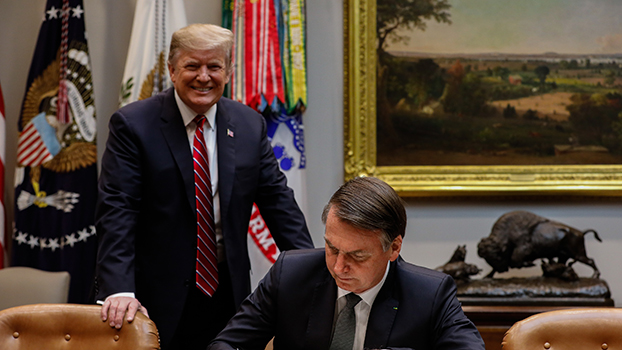
The new state interventionism sparked by the global financial crisis, however, did not bring about a turn towards a “green capitalism” by way of a Green New Deal. Instead, the ad-hoc fire-fighting measures of 2008 and 2009 gave way to a global austerity turn, shifting the costs of the crisis and its regional manifestation as the Eurozone crisis onto the working classes. The banks and auto corporations were bailed out and rescued and the ensuing public debt was invoked in order to cut public expenditures on health care, education, pensions, and public salaries. Furthermore, a new race to the bottom has started in the name of “global competitiveness”: efforts to attract investments of globally mobile capital have led the various nation-states and their centre-right and oftentimes far-right governments to roll out the red carpet for capital. Mostly centre-right and oftentimes far-right governments have cut or are cutting corporate and top income tax rates (the US, Great Britain, France, Italy, Spain, Austria, Hungary, Slovakia, Sweden, Norway, Denmark, Belgium, the Netherlands, Luxembourg, etc.), have rolled back or prevented workers’ collective bargaining rights, have deregulated labour markets on behalf of capital (France, Austria, Hungary, etc.), are enabling capital accumulation in natural reserves (Trump in the US, Bolsonaro in Brazil, etc.), privatizing public assets and/or opening other previously de-commodified sectors of the economy to profit-oriented corporations. The new state interventionism thus has supported and deepened global finance market capitalism; for instance, also in the name of “global competitiveness”, Barack Obama’s partial nationalization of the auto industry in the US led to a state-led halving of all wages for new hires. “Neoliberalism” therefore was clearly not about the minimal state but about using the state to use the crisis in order to enforce pro-capitalist measures.
Nation-states were confronted with the strongest social mobilizations and protest movements since the US and Europe’s massive strike waves of the late 1960s and early 1970s. As a result, they have been implementing their policies of deepening neoliberalism in an increasingly authoritarian fashion. The anti-democratic nature of the EU’s new economic governance (fiscal compact, etc.) are indicative of neoliberalism’s authoritarian turn. This authoritarian turn is hardened by the rise of the far right, which has emerged as a result of popular dissatisfaction. Just like in all previous organic crises of capitalism—the Long Depression, the Great Depression, and the Crisis of Fordism—the far right has also ascended in the crisis of global financial market capitalism. The fear of social decline among the working “middle classes” and small businessmen has created strong racist and classist de-solidarizations especially among upwardly oriented working professionals and has also created a backlash against achievements of the women’s movement.
The far right is a friction of the multiple crisis of global financial market capitalism, but it has no solutions or answers to the cause of the problem. The far right is caught in a dilemma: it has a “gardener state” mentality seeking to eliminate what it dislikes, but its authoritarian policies forever and ever only rip out what it considers “weeds” but never get down to the roots. The far right fights merely against the symptoms instead of the root causes of capitalism in crisis: the far right does not tackle neoliberal structural adjustment programmes (“free trade”) and the free flow of capital as well as Western wars in the Global South which are the root cause of the million-fold displacement of people and their coerced migration.
Instead, the far right attacks the symptoms of “free trade capitalism”: migrants. The far right also does not attack the tremendous wealth inequalities and unequal life opportunities that capitalism produces and that are the root cause of crime (given that the more unequal a society is, the more crime-ridden it tends to be). Instead, the far right attacks criminals and calls for tougher sentences and more police, not realizing that more state violence creates more violence in civil society, which is why it is the worst and most counter-productive way of tackling crime. Finally, the far right attacks politicians because they are said to not “represent the people” and are deemed to be “out of touch”. But instead of eliminating the root causes of the establishment of an anti-democratic power elite and seeking to establish democratic participation opportunities at all levels of society, including the economy, far-right leaders merely identify the symptom, claiming that “the ruling elites you elected no longer represent you” and then continuing to say that “everything will be fine if you just elect us”.
The far right is therefore a friction of global financial market capitalism in crisis but has no solutions to its main contradictions. On the contrary, in those countries where they rule—the US, Brazil, Hungary, Austria—they are making the root problem worse by being at the forefront of the aforementioned corporate tax cuts, labour market deregulations, and public asset privatizations. In other words, they are worsening the problems and their answers will simultaneously get worse and more barbaric as a consequence.
Still, it is the (erstwhile) defeat of the strong anti-austerity movements and the Left’s alternative Green New Deal that has created a vacuum increasingly filled by the far right. Only credible left alternatives and great social reforms at least of the kind of a Green New Deal will help prevent the rise of the far right. This is what supporters of the parties of the neoliberal centre need to understand.
At the same time, the parties of the centre are becoming more authoritarian themselves, because of the ways in which they are implementing unpopular “global competitiveness” policies on behalf of capital and the ways in which they seek to fend off the far right by adopting some of their policies. Taken together, this encourages authoritarian tendencies in economic policy, domestic security, and foreign policy. The new EU economic government plays a central role here. Post-liberal is increasingly turning into post-democratic. But does that mean we have already entered “authoritarian capitalism”?
If by “authoritarian capitalism” we seek to describe the aforementioned tendencies, then it is clear that this new phase in the history of neoliberal capitalism carries a new quality. It is still too early to speak of a new historic phase of capitalism for a number of reasons. To introduce a new phase, this authoritarian (financial market-)capitalism and the growth strategies of (internal and external) devaluation (austerity) dominant since 2010 must be viable in the long-term. They do not represent a coherent project. Economically, this beggar-thy-neighbour capitalism, the attempt to secure one’s prosperity at the expense of the neighbouring state, leads to fighting for pieces of a hardly growing cake.
Against the backdrop of over-accumulation, a wage rate falling both in the core capitalist states and the emerging market economies, the increasing appropriation of the social surplus value by the global (finance) capital owners of capital, and crisis wars and imperial conflicts in the Middle East and the West Pacific which can easily lead to relapses into deep economic crises, the present austerity strategy of trifling growth was followed for decades in North Africa and Eastern Europe. The new wave of robotization (industrialization 4.0) hinders strategies of “re-industrialization” (Obama/Trump) and high-paying jobs on a mass scale, similar to how Fordist mass production and Keynesian mass consumption integrated the popular masses and made capitalism hegemonic. In this case, the crisis was merely shifted by the governments: from the banking and industrial sector to the states and their budgets, from some states onto others, and from today to tomorrow. At the same time, popular dissatisfactions are still extremely high, making the crisis of democracy another element of instability—an instability that can lead to sudden changes, including the rise of new leftist forces from the US to the UK.
Global capitalism is thus still in a transitional phase. Following Gramsci, this could be described as a “crisis interregnum”. Authoritarian crisis capitalism with its miniscule growth is not a sustainable long-term project. Over-accumulation, growing wealth inequality, erosion of the middle class, and de-democratization prevent the hegemonic generalization of a new type of development. The material foundations for a new historical compromise are lacking.
Authoritarian capitalism? Green capitalism? Authoritarian green capitalism? Social-democratic green capitalism? Green socialism? The dissolution of the crisis interregnum is still in the future. The globe of the world remains stuck on a needlepoint, and is yet to roll down. While it currently tilts to the right, it could still go in one direction or the other. Only the centre cannot hold.
Ingar Solty is an expert on peace and security policy at the Institute for Critical and Social Analysis. This article is an updated and revised translation of a short piece published in the rubric “Der Name der Zeit” from the 1/2015 issue of LuXemburg: Gesellschaftsanalyse und linke Praxis.
https://tirarelacqua.blogspot.com/2024/07/google-inculata-sangue-dal-piu-piccolo.html

 Post
Tutti i commenti
Post
Tutti i commenti