China plans to double nuclear arsenal, Pentagon says


China plans to double nuclear arsenal, Pentagon says

Share to More

WASHINGTON ― China plans to double its stockpile of nuclear warheads in the next decade, including those designed to be carried atop ballistic missiles that can reach the United States, the Pentagon said in a report released Tuesday.

Even with such increases, China’s nuclear force would be far smaller than that of the United States, which has an estimated 3,800 warheads in active status and others in reserve. China’s nuclear warhead stockpile is estimated to be in the low 200s.

In its annual “China Military Power” report to Congress, the Pentagon said the modernization and expansion of China’s nuclear forces is part of a broader effort by Beijing to develop a more assertive position on the world stage and to match or surpass America by 2049 as the dominant power in the Asia-Pacific region.

Deputy Assistant Secretary of Defense for China Chad Sbragia said at an American Enterprise Institute event Tuesday that the People’s Liberation Army, or PLA, is “not intended to be merely a showpiece of Chinese modernity” but a tool of Chinese statecraft.

“The Communist Party has spent the last several years completely tearing out and rewiring the PLA organizationally with the goal of transforming into a joint force that is more combat ready, innovative and global,” Sbragia added.

On the nuclear side, China is developing a nuclear air-launched ballistic missile and revealed the H-6N as its first nuclear-capable bomber that can be refueled midair. China is also moving toward a more ready “launch-on-warning” posture for its missiles with an expanded silo-based force, the Pentagon report said.

The report noted that the number of warheads on China’s land-based intercontinental ballistic missiles capable of threatening the U.S. is expected to grow to roughly 200 in the next five years. China’s ICBM arsenal consists of 100 missiles with various ranges, the report said.

The analysis comes as the U.S. is in nuclear talks with Russia ahead of the expiration of the New START nuclear pact. A key sticking point is the U.S. demand to include China in any new agreement, even as China has repeatedly refused.

Separately this week, Defense Secretary Mark Esper suggested likeminded nations in the Pacific ― India, Australia and Japan ― could form a NATO-like alliance, whose apparent aim would be to deter China. This week, Esper was wrapping up his trip to Hawaii, Palau and Guam, where he has met with senior leaders from across the region

Pentagon officials on the trip also highlighted internal discussion to redistribute U.S. forces concentrated in South Korea and Japan to Guam and points farther south.

“Maybe the future is going to be less about bases and more about places — being able to operate across a multiplicity of locations, which give us the flexibility and the agility to respond to a variety of different threats and challenges,” David Helvey, who is performing the duties of assistant secretary of defense for Indo-Pacific affairs, told reporters.

China, the report noted, has increased its defense budget, and surpassed the U.S. with a ground-launched missiles in larger numbers with greater ranges than the U.S., and in shipbuilding. The People’s Liberation Army Navy has a battle force of more than 350 ships and submarines, in comparison with the U.S. Navy’s 293 ships.

Sbragia noted that China’s ability to project power in the region and beyond has advanced dramatically in recent years.

China’s global ambitions have, the report stated, likely led it to consider Thailand, Singapore, Indonesia, Pakistan, Sri Lanka, the United Arab Emirates, Kenya, Seychelles, Tanzania, Angola and Tajikistan as potential locations for PLA military logistics facilities.

“I don’t think they’ve reached final conclusions on any of those yet,” Sbragia said. “But their aspirations are not small, and they’re not limited to a single geographic location. This is global in scale.”

US military considered using nuclear weapons against China in 1958 Taiwan Strait crisis, leaked documents show


US military considered using nuclear weapons against China in 1958 Taiwan Strait crisis, leaked documents show

Nationalist Chinese soldiers on Quemoy Island, which became the focus of an artillery bombardment from mainland China in 1958.

Hong Kong (CNN)Military planners in Washington pushed for the White House to prepare plans to use nuclear weapons against mainland China during the Taiwan Strait crisis in 1958, newly leaked documents appear to confirm.

The documents, first reported on by the New York Times Saturday, reveal the extent of Washington's discussions about using nuclear weapons to deter a Chinese invasion of Taiwan, including the acceptance by some US military leaders of possible retaliatory nuclear strikes on US bases.
The new information was provided to the Times by Daniel Ellsberg, the whistleblower who in 1971 leaked the Pentagon Papers that detailed the US government's duplicity in its handling of the Vietnam War.
"US first use of nuclear weapons should not be contemplated, prepared, or threatened anywhere, under any circumstances, including the defense of Taiwan," Ellsberg said in a post to his Twitter on Sunday.
The Taiwan leak comes from previously classified sections of a 1966 report by think tank Rand Corporation on the 1958 Taiwan Straits crisis, written by M. H. Halperin for the Office of the then-Assistant Secretary of Defense.
After the Communist Party took power in mainland China in 1949, following a brutal civil war, the Nationalist government fled to Taiwan. But Beijing viewed the island as part of its territory, and the two sides clashed intermittently over the following decades.
The closest the US and China came to armed conflict was during the Taiwan Strait crisis in 1958, when the People's Republic of China fired artillery at Taipei's outlying islands. Washington worried the shelling could be a precursor to a full invasion.
Soldiers stack artillery shells at the seaport on Quemoy Island in 1958 around the time of the Taiwan Strait crisis.
The shelling focused on the Quemoy and Matsu island groups, which lie between Taiwan and mainland China and are described by Rand Corporation as "the first line of defense" for Taipei.
Although it is already public knowledge that the Eisenhower administration debated whether to use nuclear weapons to deter China from attacking Taiwan, the documents appear to reveal the extent of the planning for the first time.
According to the leaked documents, some US Defense and State department officials were concerned the loss of the outlying islands in 1958 could lead to a full "Chinese Communist takeover of Taiwan."
In the event of an air and sea attack on the islands, US Air Force Gen. Nathan Twining said the US would have to use nuclear weapons against Chinese air force bases "to prevent a successful air interdiction campaign," beginning with "low-yield ten to fifteen kiloton nuclear weapons."
If this didn't lead to a break in the assault from mainland China, "the United States ... would have no alternative but to conduct nuclear strikes deep into China as far north as Shanghai."
According to the documents, the Chairman of the Joint Chiefs acknowledged this would "almost certainly" lead to nuclear retaliation against Taiwan and the US military base at Okinawa in Japan. "But he stressed that if national policy is to defend the offshore islands then the consequences had to be accepted," the document said.
Given China had yet to develop its own nuclear capabilities, any nuclear retaliation would have come from the Soviet Union, possibly sparking an even more devastating global conflict. The report said it isn't clear where the nuclear retaliation would have originated.
The document said the US Joint Chiefs, and Twining in particular, saw the use of atomic weapons as "inevitable." In one section, Gen. Laurence S. Kuter, the top Air Force commander for the Pacific, "flatly" states that any US air action against a Chinese attack on the outlying islands "had no chance of success unless atomic weapons were used from the outset."
In the end, Eisenhower was hesitant to use nuclear weapons and pushed for the US troops to stick to conventional arms. Joshua Pollack, editor of the Nonproliferation Review, said on Twitter Sunday that the idea the US would have risked a nuclear exchange with the Soviet Union over islands with "no military value" was "jarring."
"It's no surprise the White House said no," he said.
A ceasefire was reached in the Taiwan Strait on October 6, 1958, although there have been ongoing tensions between Beijing and Taipei.
In January 2019 speech, Chinese President Xi Jinping warned he would take "all means necessary" and not "renounce the use of force" to rejoin Taiwan to the Chinese mainland.
Beijing claims full sovereignty over Taiwan, a democracy of almost 24 million people located off the southeastern coast of mainland China, even though the two sides have been governed separately for more than seven decades.
With military tensions rising again between the US and China, whistleblower Ellsberg said in his interview with the Times that he had supplied the documents due to his concerns over the possibility of a new war over Taiwan.
On Sunday, Ellsberg took to Twitter to call for both sides to exercise restraint.
"Note to @JoeBiden: learn from this secret history, and don't repeat this insanity," he said.

Why The Air Force’s Plan For Fighting China Could Make Nuclear War More Likely


Why The Air Force’s Plan For Fighting China Could Make Nuclear War More Likely

Loren Thompson

Late last year, the U.S. Air Force conducted a secret war game testing how it might repulse a Chinese invasion of Taiwan in 2030.

As described by Valerie Insinna in Defense News, the Air Force employed an array of manned and unmanned aircraft to blunt the attack, including the super-stealthy B-21 bomber, which is still under development.

The B-21, Insinna reported, was used to penetrate “contested zones,” presumably meaning Chinese airspace, while the less survivable B-52 launched cruise missiles from “standoff distances.”

The good news is that the hypothetical Chinese invasion in the war game was halted without resort to use of nuclear weapons.

The bad news is that things might not work out that way in a real war, and it might be China that resorts to nuclear use before America does.

This possibility highlights an issue in Air Force planning that has gone largely unnoticed.

If a fight over Taiwan occurs, the Air Force plans to wage conventional warfare against China by flying nuclear-capable aircraft into its airspace—or by launching cruise missiles from outside its airspace from other nuclear-capable aircraft.

Either way, Beijing would have no quick way of determining whether the attacking U.S. bombers were carrying nuclear or conventional munitions.

Its nascent strategic warning system would not be able to differentiate between a nuclear and non-nuclear attack until weapons actually started exploding on its territory, and China’s highly centralized nuclear command authority might not be willing to wait that long before responding.

After all, it could be the first target of the attack.

Unlike Russia, which has a vast nuclear arsenal comparable in size to that of the United States, China has always maintained a minimal nuclear deterrent.

The Pentagon estimates that China only has 200 or so nuclear warheads, and a respected private survey pegs the number at 350—only about 130 of which are available for use on ballistic missiles capable of reaching the continental United States.

Whichever estimate you believe, the number of warheads Beijing relies on to deter a nuclear attack is a small faction of the number available to U.S. forces, so the possibility that Washington might move to disarm Chinese strategic forces in a fight over Taiwan could not be discounted.

Since most of the missiles threatening the U.S. are road-mobile, it would be logical for Chinese leaders to assume that stealthy bombers might be sent to track down ICBMs and take out the handful of other Chinese strategic systems (four submarines, a few bombers) capable of targeting America.

As the Air Force’s fiscal 2022 Posture Statement observes, “The B-21 will possess the range, access, and payload to penetrate the most highly-contested threat environments and hold any target around the world at risk.”

That includes China’s nuclear weapons, its early warning radars, and strategic command network.

Faced with this possibility in a war where Chinese and U.S. forces are already fighting, Beijing might decide it needs to launch its long-range missiles before they are destroyed on the ground.

The official Chinese position is that it will never be the first nation to use nuclear weapons, but Pentagon officials have been warning for years that Beijing might move to a launch-on-warning posture, what might be called a “use them or lose them” approach to deterrence.

It wouldn’t be the first time a nation’s operational nuclear strategy was at variance with its declaratory strategy.

In such a scenario, the strategic stakes surrounding Chinese occupation of Taiwan would fade to insignificance in Washington compared with the prospect of nuclear warheads detonating on U.S. soil.

And yet Air Force planners don’t seem to have given much thought to the fact that their future heavy bomber force will consist entirely of aircraft whose conventional or nuclear payloads are indistinguishable to an adversary.

This didn’t matter much when the enemy was Serbia or Iraq, but when the other side is itself a nuclear power possessing a long-range strategic arsenal, it could matter a lot.

During the later years of the Cold War and thereafter, the Air Force undertook a series of steps aimed at promoting strategic stability with Russia, such as eliminating the nuclear attack features on its B-1 bombers.

But Beijing is not party to any of the arms control agreements that drove those steps, and every B-21 bomber rolling off the assembly line at Palmdale, California, will be wired for nuclear weapons.

Most of the missions envisioned for the bomber are conventional, but Beijing would have no way of knowing that for sure at the onset of a war.

So given the fears that often seize hold of leaders in crises, the possibility of nuclear first-use by Beijing can’t be dismissed.

Of course, China could act preemptively to reduce the vulnerability of its retaliatory forces by expanding them.

Perhaps it might follow America’s example by putting most of its nuclear arsenal on submarines that can’t be tracked when beneath the seas.

That’s a move the country’s leaders have resisted—their force is predominantly land-based—but with the advent of B-21 they might feel they have no alternative.

And while the venerable B-52 is not quite as threatening as the B-21, after 2030 it will be equipped with nuclear “long-range standoff” weapons that can penetrate any Chinese defenses.

You could say that collectively, the stealthy B-21 and the B-52 equipped with stealthy cruise missiles are a potent deterrent to a Chinese assault on Taiwan.

But somebody in the Pentagon ought to be contemplating how those aircraft should be used if a war nonetheless occurs to prevent the conflict from stumbling into a nuclear exchange.

As one senior military officer commented in a not-for-attribution discussion earlier this year, “You need to deter the Chinese without scaring them so much that they might go nuclear.”

I focus on the strategic, economic and business implications of defense spending as the Chief Operating Officer of the non-profit Lexington Institute and Chief Executive


  • The Pentagon Seriously Contemplated Nuking China in 1958

    LA PRIVACY E' UNA CAZZATA, PAROLA DI CONFINDUSTRIA

     https://ungranellodisabbia.wordpress.com/lattivita-forense/il-processo-per-le-schedatura-fiat/


    IL PROCESSO PER LE SCHEDATURE FIAT

    3Alexik

    Strani tempi questi inizi anni ’70.

    Tempi in cui anche l’ultimo sottoposto si sente legittimato ad alzare la cresta ed accampare diritti. E non solo tale alterigia caratterizza gli studenti e gli operai – gente storicamente riottosa – ma arriva addirittura a contagiare perfino i servi più fedeli.

    Succede dunque che tal Caterino Ceresa, licenziato Fiat e di professione spia, osi citare la Fiat dinanzi alla sezione lavoro della Pretura di Torino.

    Sostiene Caterino non solo di essere stato ingiustamente licenziato, ma di aver subito un improprio inquadramento contrattuale.

    Semplice “fattorino”: così risulta la sua mansione dal contratto di lavoro, mentre egli sostiene di essere stato assunto nel ’53 con la mansione di informare la Fiat, sulle “qualità morali, i trascorsi penali e la rispettabilità delle persone con le quali la società stessa era o doveva entrare in relazione”.

    E spiega, Caterino, che esiste dentro la Fiat un ufficio denominato Servizi Generali, che si occupa di raccogliere informazioni di ogni genere nei confronti dei dipendenti o degli aspiranti tali, e di tutti quelli che a qualsiasi titolo vengano in contatto con l’azienda.

    La vertenza di Caterino si chiude nel luglio del 1971. Meno di un mese dopo, a mezzogiorno del 5 agosto, il pretore Raffaele Guariniello irrompe presso la sede semideserta dell’ufficio Servizi Generali della Fiat. Gli si apre davanti un immenso archivio.

    4Più di 350.000 schede che parlano delle opinioni politiche, dell’attività sindacale, della vita privata e della condotta sessuale di migliaia di lavoratori Fiat e dei loro familiari, oltre che di sindacalisti, giornalisti, uomini politici.

    350.000 schede frutto di 20 anni di spionaggio. E 20 anni sono passati dal giorno in cui Clara Luce, ambasciatrice degli Stati Uniti in Italia, chiese a Valletta di cacciare i comunisti dalla Fiat. Da allora si sono contati, per estremo difetto, 812 licenziamenti per rappresaglia politica e sindacale solo negli stabilimenti di Torino.

    A questo servivano le schedature: ad avviare comunisti, ex partigiani, sindacalisti della Fiom verso i reparti confino, come l’Officina Sussidiaria Ricambi, ribattezzata Officina Stella Rossa.

    Scheda: “Occupato alla Fiat Ricambi … ex partigiano garibaldino … l’interessato a causa delle sue ideologie politiche è stato più volte cambiato di reparto. Infatti lavora nel reparto denominato “Stella Rossa”.

    Dopo il reparto confino c’era il licenziamento politico, un marchio che ti impediva di trovare un nuovo lavoro. Come per Giovanni Pautasso, un bravo verniciatore, commissario sindacale di reparto. Licenziato dalla Fiat non riuscì più a trovare lavoro. Un mattino si presentò alla Camera del Lavoro distrutto, aveva passato la notte a smontare le attrezzature di un circo e aveva ricevuto come paga 500 lire. Due ore dopo, sopraffatto dalla disperazione, si buttò nelle acque del Po.

    2Non abbiamo per gli anni ’50 e ’60, statistiche sui suicidi operai.

    Le spie della Fiat riservavano alle donne una morbosità particolare, indugiando sui dettagli della condotta sessuale.

    “Trattasi di donna giovane e avvenente ma di moralità alquanto discussa. Le sue relazioni con uomini sono notorie, ed hanno suscitato sfavorevoli commenti”.

    “Sua madre è passata a seconde nozze nel luglio scorso. Durante la vedovanza ha lasciato desiderare per la condotta morale e civile e ha avuto anche un aborto”.

    Alla fine degli anni ’60, con le assunzioni di massa e l’inizio della contestazione le schedature si intensificarono, non solo per escludere i comunisti, ma anche per far entrare i fascisti da ingaggiare in provocazioni contro la Fiom: “Nel 1970-71 furono assunte unità lavorative per la sezione di Rivalta, tutte o quasi tutte di colorazione politica reazionaria e che cercarono di prevalere con la violenza. Nel 1971 i locali della Commissione Interna furono devastati”.

    Ma ciò che emergeva da quelle 350.000 schede, oltre alla vita degli schedati, era la natura delle fonti di quelle informazioni. Al servizio della Fiat vi erano certamente le parrocchie:

    “Operaio Fiat Mirafiori dal 1951… a comprova della sua tendenza verso il partito comunista tutti gli anni quando passa il Sacerdote per la benedizione delle case, gli viene vietata l’entrata”.

    Ma soprattutto a disposizione della Fiat vi erano le caserme dei carabinieri, i commissariati di pubblica sicurezza, gli uffici della Questura:

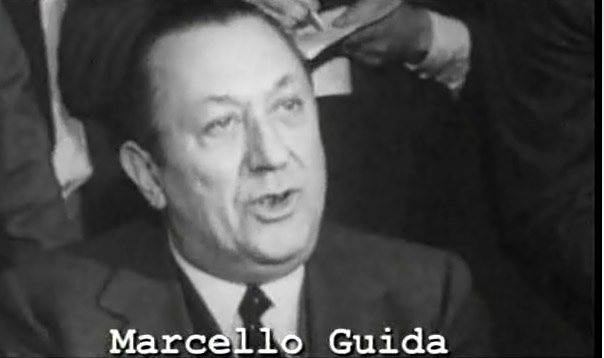
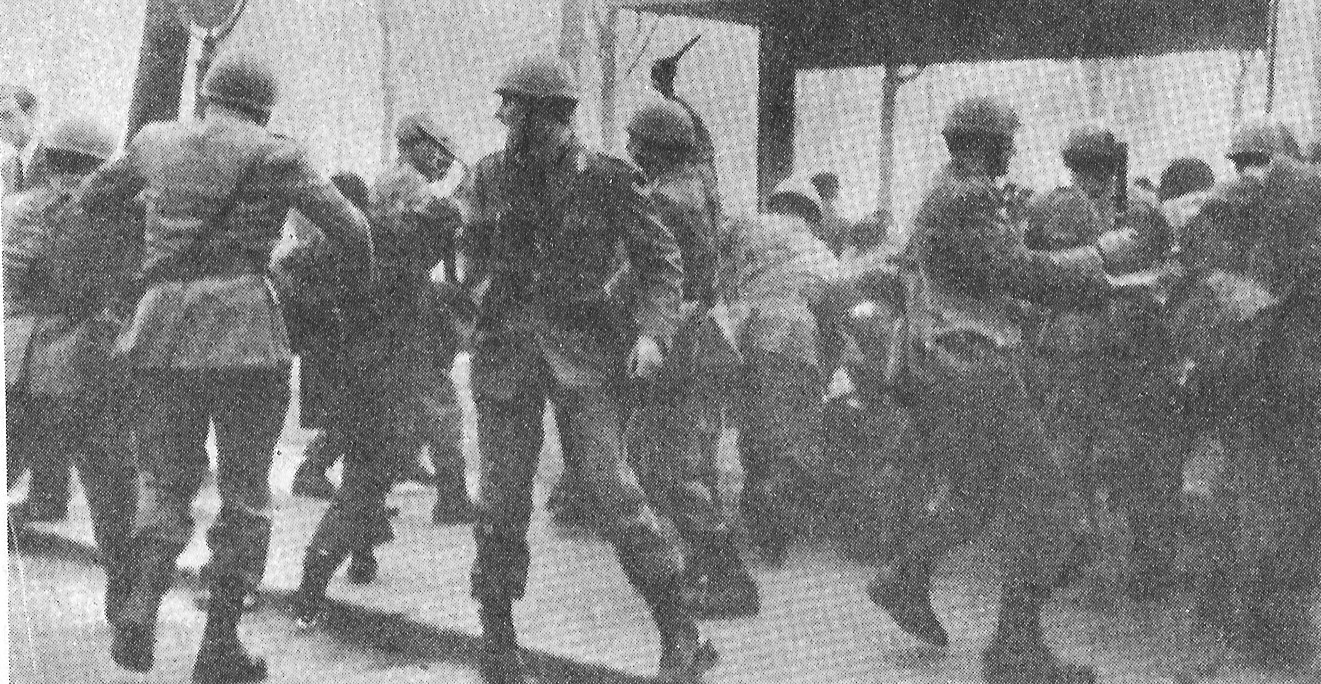
    7Dalle note di spesa sequestrate risultava al soldo della Fiat l’intero apparato poliziesco di Torino. Fra questi il più famoso è forse Marcello Guida, ex direttore durante il ventennio della colonia penale di Ventotene, dove vennero rinchiusi tanti antifascisti. Lo ritroviamo nel ’69 come questore di Torino a comandare le cariche di corso Traiano, e subito dopo come questore di Milano a sostenere la tesi del suicidio di Pinelli.

    Ebbene Guida riceveva dalla Fiat circa un milione all’anno, sotto le voci “aiuto durante una manifestazione” o “aiuto durante uno sciopero”. L’aiuto consisteva nella violenza poliziesca contro gli scioperanti.

    I più retribuiti erano Ermanno Bessone e Aldo Romano, rispettivamente capo e commissario dell’Ufficio Politico della Questura. Per il loro impegno costante la Fiat li compensava con cifre aggiuntive allo stipendio pubblico, che andavano dalle 250 alle 400.000 lire mensili (ai tempi in cui un salario operaio era di 120.000). E se li meritavano ! Erano sempre presenti alle manifestazioni, agli scioperi, ai picchetti. Guidavano le cariche, comandavano gli arresti. L’archivio dei loro uffici era a completa disposizione della Fiat.

    “Il sottufficiale addetto all’ufficio politico della Questura riceveva dalla Fiat i pacchi sigillati di schede già intestate, nelle quali doveva versare tutte le notizie che riusciva a reperire negli archivi, integrando le informazioni mediante l’interpello delle caserme e commissariati di pubblica sicurezza di tutta Italia. A lavoro terminato i pacchi venivano ritirati dai fattorini Fiat”.

    7a

    Cariche davanti a Mirafiori.

    Ma anche l’Arma dei Carabinieri non voleva essere da meno, e la seconda Compagnia Urbana di Torino aveva destinato un sottufficiale ad un compito analogo a quello che si svolgeva in Questura.

    Ai vertici dell’Arma, il tenente colonnello Enrico Stettermayer, capo del nucleo speciale dei carabinieri di Torino e referente dei Servizi informativi militari, riceveva dalla Fiat uno stipendio aggiuntivo di 150.000 lire al mese.

    Oltre a circa 150 stipendi extra per agenti e funzionari dell’ordine pubblico, la Fiat sovvenzionava gli uffici di polizia e carabinieri fornendo cancelleria, pagando le manutenzioni, e il caffè e le bevande calde alle guardie impegnate contro i picchetti operai.

    A questo si aggiungevano migliaia di benefit da quattro soldi (cioccolatini, bottiglie di Cinzano, acqua di colonia, orologi e strenne varie) inviati per le festività a migliaia di carabinieri, poliziotti, vigili urbani, ufficiali delle forze armate, magistrati, dipendenti dei Comuni e dei Ministeri.

    Questa immensa opera di corruzione andò a processo, ma non a Torino, per evitare, si disse, la reazione delle “masse operaie che presumono, a torto o a ragione, di essere controllate nella loro vita privata da organi del patronato in collusione con le forze di polizia”.

    9Non di minore rilievo”, si disse, “assume il fatto che dovrebbe essere incriminato un imponente numero di appartenenti al corpo di PS e all’Arma dei Carabinieri, quasi tutti svolgenti compiti di polizia giudiziaria e pertanto necessari e costanti collaboratori della magistratura torinese”.

    Pertanto il processo venne spostato a Napoli, a debita distanza dalle parti lese.

    Se ne abbiamo notizia, nonostante la congiura del silenzio a cui aderì quasi la totalità della stampa italiana, è grazie anche agli avvocati di parte civile Pier Claudio Costanzo e Bianca Guidetti Serra.

    Non fu facile neanche per loro intervenire nel processo. L’accesso agli atti, protetto da un rigidissimo segreto istruttorio impediva la costituzione di parte civile degli operai licenziati per rappresaglia, perché essendo segreti gli atti, essi non potevano dimostrare di essere stati schedati.

    Ma per la prima volta nella storia Costanzo e Guidetti Serra riuscirono a far passare la costituzione di parte civile delle forze sindacali come rappresentanza collettiva. Per più di quaranta udienze si alternarono percorrendo chilometri e chilometri nel lungo viaggio da Torino a Napoli e ritorno, senza avere certo a disposizione gli aerei privati della Fiat, come invece avevano i colleghi difensori. Per quasi due anni si sono scontrati con i mille ostacoli burocratici e rinvii, e finanche con il segreto politico militare apposto su una parte degli atti.

    1Arrivarono a sentenza nel febbraio del 1978, con trentasei condannati per corruzione e violazione del segreto d’ufficio, tra cui cinque dirigenti Fiat e un alto dirigente della Questura. “Pene estinte dalla prescrizione dopo le attenuanti concesse in sede di appello l’anno successivo. I reati più lievi erano già stati cancellati dall’amnistia, e nessun imputato venne seriamente danneggiato dal processo. Tutti restarono al loro posto, salvo alcuni pubblici ufficiali trasferiti ad altre sedi in ruoli equivalenti”.

    Ma non era questo che ci interessava” – dice Bianca Guidetti Serra. “L’importante, invece, è che si fosse svolto il processo come momento di verità”.

    Questo momento di verità è raccontato in un libro, che come il processo, ha avuto un iter egualmente travagliato. Le schedature Fiat, scritto da Bianca Guidetti Serra per Einaudi, venne infatti stampato ma all’ultimo momento e per ragioni ignote, mai messo in distribuzione. Per vederlo in libreria, l’autrice dovette rivolgersi a un altro editore.

    È un libro che parla di storie di altri tempi ?

    12Giuseppe Larobina è stato licenziato dalla Kuehne Nagel (l’ex Iveco) di Torino. Era delegato RSU per l’Unione Sindacale di Base e Rappresentante dei Lavoratori per la Sicurezza, scelto dai suoi colleghi per 19 anni di fila, a volte come primo degli eletti.

    Era uno che non abbassava la testa, che non firmava accordi truffa, che non stava zitto. Per questo ha subito dall’azienda provvedimenti disciplinari continui, cambi di mansione punitivi, ricatti e lusinghe, messe in scena costruite ad arte per creare occasioni di licenziamento. In pratica una sorta di stalking

    Per 35 giorni Pino Larobina è stato pedinato dalla Turinform, un’agenzia investigativa, per conto della Kuehne Nagel. L’hanno spiato mentre andava al sindacato, mentre accompagnava la madre all’ospedale, mentre andava a far la spesa o passava la domenica in campagna con i suoi familiari.

    Lo hanno licenziato perché ha scritto a Guariniello una lettera sulle condizioni di lavoro alla Kuehne Nagel, accusandolo di aver così “danneggiato” l’immagine dell’azienda.

    Anni ’50 ? No, è il luglio del 2013.

    Per i dettagli sulle schedature e sul processo:

    Agnelli ha paura e paga la Questura, Ed. Lotta Continua, 1972.

    Bianca Guidetti Serra, Le schedature Fiat. Cronaca di un processo e altre cronache, Rosenberg & Sellier, 1984.

    Chinese State Media Warns Of ‘Nuclear Showdown’ With United States After Biden Asks For Covid-19 Probe


    Chinese State Media Warns Of ‘Nuclear Showdown’ With United States After Biden Asks For Covid-19 Probe

    Chinese State Media Warns Of ‘Nuclear Showdown’ With United States After Biden Asks For Covid-19 ProbePLA
    Snapshot
    • The threatening op-ed comes at a time when protests in Hong Kong and Taiwan, as well as the accusations against China for being engaged in the genocide of Uighur Muslims and the Covid-19 pandemic, are showing deeper divisions in an already tense relationship between both countries.

    A Chinese state-run newspaper has launched a ferocious attack on the United States, threatening it with a possible nuclear showdown.

    The editor of the Chinese government’s mouthpiece newspaper the Global Times said that enhancing China’s nuclear program has become vital to the country’s “strategic deterrence” against the United States.

    La maggior parte dei morti dimostra che l'origine del COVID e' negli USA


    US Covid-19 death toll surpasses 600,000, Johns Hopkins University data shows

    US Covid-19 death toll surpasses 600,000, Johns Hopkins University data shows
    More than 600,000 people have died from Covid-19 in the US – more than any other country – the latest pandemic data compiled by Johns Hopkins University showed on Tuesday.

    US President Joe Biden described the count as a “sad milestone” when he spoke at the NATO summit on Monday, while urging his fellow Americans to “get vaccinated as soon as possible.”

    After the US, Brazil has recorded the most fatalities from the pandemic with more than 488,000, followed by India which has recorded over 377,000 deaths.

    Also on rt.com Debate has become yet another casualty of Covid-19, we must relearn the ability to argue, but then smile and shake hands

    The US Covid-19 death toll is roughly equal to the number of Americans who died from cancer last year, according to data from the American Cancer Society.

    Some 173 million people in America – around half the country’s population – have received at least a single dose of a Covid-19 jab, some way off Biden’s target of vaccinating 70% of all adults by July 4.

    Bundeszentrale für politische Bildung: Seehofers Haus diktierte Definition


    Bundeszentrale für politische Bildung: Seehofers Haus diktierte Definition

    Die „Bild“ und ein CDU-Politiker machen Druck. Dann greift das Innenministerium in den Linksextremismus-Teaser der bpb ein. Das zeigen nun interne Mails.

    Der Bundesadler am Neubau des Bundesinnenministerium, Berlin

    Der Bundesadler am Neubau des Bundesinnenministerium in Berlin Foto: Thomas Köhler/photothek/imago

    Es ist nur ein Satz, aber der Streit über ihn sagt viel aus über die politische Gegenwart in der Bundesrepublik und die Geisteshaltung in manch ihrer Institutionen:

    „Im Unterschied zum Rechtsextremismus teilen sozialistische und kommunistische Bewegungen die liberalen Ideen von Freiheit, Gleichheit, Brüderlichkeit – interpretieren sie aber auf ihre Weise um.“

    Man erkennt, wie maß­geblich die Bild die Überarbeitung des Teasers im Links­extremismus­dossier angestoßen hat

    Im Januar hatte die taz darüber berichtet, wie sich über diesen Satz, der aus der ehemaligen Einleitung des Linksextremismus-Onlinedossiers der Bundeszentrale für politische Bildung (bpb) stammt, zuerst ein konservativer und rechter Shitstorm bildete; und wie dieser Satz, der von einem renommierten Wissenschaftler verfasst worden war, zuerst aus dem Netz genommen und dann durch eine unwissenschaftliche Linksextremismusdefinition des Verfassungsschutzes ersetzt worden ist.

    Schon damals war bekannt, dass die bpb diese Änderung auf Anweisung des Bundesinnenministeriums (BMI) vorgenommen hatte, denn die Bildungsbehörde ist dem Ministerium nachgeordnet, das BMI hat die Fachaufsicht über die bpb inne. Konkret heißt das, dass die bpb dem zuständigen BMI-Referat berichten muss und das Referat zugleich die Möglichkeit hat, in die Arbeit der bpb einzugreifen, wenn es einen Anlass dazu sieht.

    BMI hatte verneint, dass Leitung eingebunden war

    Genau dies geschah in dem Fall des Linksextremismus-Teasers. Im März hat die taz bereits anhand der Mailkorrespondenz zwischen der bpb und dem BMI rekonstruiert, wie der Eingriff erfolgt ist. Diese lag ihr als Ergebnis einer Anfrage des Informationsportals FragDenStaat nach dem Informationsfreiheitsgesetz (IFG) vor. Bemerkenswert an dieser Kommunikation war, dass das BMI mehrere wissenschaftliche Änderungsvorschläge der bpb zurückgewiesen hat, und der bpb am Ende eine unwissenschaftliche Linksextremismusdefinition ähnlich jener des Verfassungsschutzes aufgedrängt hat, an der die für die politische Bildung eigentlich nicht zuständige BMI-Abteilung für öffentliche Sicherheit (ÖS) mitgewirkt hatte.

    Nun liegt der taz die interne Kommunikation des BMI vor, ebenso als Ergebnis einer IFG-Anfrage von FragDenStaat. Absender- und Empfängeradressen hat die Behörde geschwärzt, die wichtigsten Akteure lassen sich aber über Signaturen und die Inhalte der Mails rekonstruieren.

    Aus dieser Kommunikation geht einerseits hervor, welch zentrale Rolle die Bild-Zeitung und der Bundestagsabgeordnete Thorsten Frei, stellvertretender Vorsitzender der CDU/CSU-Bundestagsfraktion und Vorsitzender des bpb-Kuratoriums, beim Eingriff des BMI gespielt haben.

    Andererseits ist der behördeninternen Kommunikation zu entnehmen, dass die Hausleitung, anders als zunächst behauptet, doch entscheidend in den Vorgang eingebunden gewesen ist – das BMI hatte im Februar gegenüber der taz die Frage verneint, ob Bundesinnenminister Horst Seehofer oder zuständige Staatssekretäre in die Überarbeitung des Einleitungstextes eingebunden gewesen seien.

    Das Ministerium hat also gelogen, um das Ausmaß dieses Vorgangs zu verschleiern, der sich nun mit Blick auf die interne Kommunikation des Ministeriums weiter vervollständigt. Aktiv beteiligt an dem Vorgang war, das geht aus dem Schriftverkehr hervor, das Ministerbüro von Horst Seehofer, eingebunden waren zudem Staatssekretäre.

    „Haben Sie da ein griffiges Zitat für uns?“

    Die Rekonstruktion:

    Am 11. Januar setzt die Bild-Zeitung den Vorgang, der letztendlich zur Überarbeitung des Teasers führen wird, wie folgt in Gang: Nach rechter Empörung auf Twitter am 10. Januar fragt Bild bei Thorsten Frei an, verweist dabei auf einen Tweet von Hubertus Knabe. In der Anfrage, die der taz vorliegt, heißt es:

    „Wie schätzen Sie das ein? Haben Sie da ein griffiges Zitat für uns?“

    Ein Mitarbeiter von Frei liefert schon nach knapp zwei Stunden mehr als ein griffiges Zitat und weist darauf hin, dass Frei gerne in seiner Funktion als Kuratoriumsvorsitzender der bpb zitiert werden könne. Am Abend desselben Tages kontaktiert ein Mitarbeiter von Frei das BMI und verweist auf die Presseanfrage der Bild. Frei, heißt es in der Mail an das BMI, „würde sich sehr freuen, wenn Sie auch diesen Sachverhalt in Ihrer Aufsichtsfunktion genauer in den Blick nehmen könnten“. Und weiter: „Zumindest sollte unserer Ansicht die irritierende Darstellung auf der Webseite entsprechend kritisch überarbeitet werden.“

    Gleichzeitig regt der Mitarbeiter ein Gespräch des BMI mit der bpb-Leitung an, bei dem man „durchaus auch noch einmal über die Darstellung bestimmter Themen sprechen“ könne. Zum Thema Linksex­tremismus gäbe es kaum Publikationen, und „bei dem wenigen, das es gibt, passieren solche Schnitzer“.

    In einer Antwort des BMI am darauffolgenden Tag versichert dieses, dass man eine Korrektur des Textes mit der bpb besprechen und das Anliegen des Abgeordneten auch bei einem Gespräch mit der bpb-Leitung thematisieren werde. Am 11. Januar stellt die Bild auch eine Anfrage an das BMI, was die behördeninterne Kommunikation zum Vorfall endgültig in Schwung bringt, und es beginnen Beratungen über eine bestmögliche Antwort auf diese Presseanfrage der Bild.

    
In der Kommunikation zwischen den zuständigen BMI-Stellen wird über einen Antwortvorschlag beraten, in dem es heißt, dass das BMI die bpb gebeten habe, die Formulierung zu überarbeiten, „um Missverständnisse künftig auszuschließen“. Der Vorschlag sei so formuliert, weil der Verfasser die Befürchtung habe, „dass Bild andernfalls titelt ‚BpB relativiert Linksextremismus und BMI findet nichts dabei‘“.

    Dieser Vorschlag wird dann zur „Billigung“ dem „St K“, also offenbar dem zuständigen Staatssekretär Markus Kerber, vorgelegt. Auch eine interne Sprachregelung bezüglich der Antwort an die Bild wird vereinbart. Der parlamentarische Staatssekretär Volkmar Vogel hat zuvor mit Verweis auf Posts verschiedener Bundestagsabgeordneter und einer Beschwerdemail darum gebeten. Nach kleinen Überarbeitungen verschickt das Ministerium die Antwort auf die Presseanfrage.

    „Bild“-Zeitung als Impulsgeber

    Man erkennt schon an diesem Punkt, wie maßgeblich die Bild-Zeitung die Überarbeitung des Teasers im Linksex­tre­mis­mus­dos­sier angestoßen hat – wie sehr die Beamten des BMI ihr Handeln an der Bericht­erstattung der Bild-Zeitung ausrichten.

    Am 12. Januar tritt das BMI in den Austausch mit der bpb und veranlasst, den Einleitungstext aus dem Netz zu nehmen und einen neuen Einleitungstext abzustimmen. Die bpb antwortet, dass sie bereits eine Überarbeitung vorgenommen habe.

    Der Linksextremismus-Teaser ist nur ein Beispiel für die Einflussnahme auf die Arbeit der Bundeszentrale für politische Bildung.

    Anfang Juni hat das Bundesinnenministe­rium (BMI) nach entsprechenden Tweets und der Bild-Berichterstattung angekündigt, das bpb-Projekt „Say My Name“ zu überprüfen. Diskussionsgegenstand ist dabei ein Instagram-Post, in dem sich die bpb auf den von taz-Kolumnist Mohamed Amjahid verwendeten Ausdruck „Süßkartoffel“ bezieht, den dieser für Verbündete von Menschen benutzt, die von Rassismus betroffen sind.

    2019 hat das BMI die bpb veranlasst, den Aktivisten Philipp Ruch vom bpb-Bundeskongress auszuladen.

    Aus der Antwort der Bundesregierung auf eine Kleine Anfrage der Grünen vom März dieses Jahres gehen weitere Einflussnahmen des BMI hervor:

    Im Rahmen des Schülerwettbewerbs 2018/2019 hat das BMI die Überarbeitung einer Aufgabenstellung zu Karl Marx veranlasst.

    2016 wurde nach Kritik eine Passage in der Publikation „Sexismus begegnen“ gestrichen.

    2015 hat das BMI einen Band zu „Ökonomie und Gesellschaft“ für die weitere Auslieferung und Bereitstellung gesperrt. Hintergrund war eine Beschwerde der Deutschen Arbeitgeberverbände (BDA). Nach Ergänzungen „bezüglich der Kontroversen zum Thema“ sei dieser wieder freigegeben worden.

    Diese neue Version ist etwas ausführlicher als die vorherige, enthält ein Zitat des Soziologen und Politikwissenschaftlers Armin Pfahl-Traughber, ehemaliger Referatsleiter der Abteilung Rechtsextremismus im Bundesamt für Verfassungsschutz. Auch der umstrittene Satz ist noch da. Doch heißt es nicht mehr, dass sozialistische und kommunistische Bewegungen die liberalen Ideen von Freiheit, Gleichheit, Brüderlichkeit „teilen“, sondern sich auf diese „berufen“.

    Das für die bpb zuständige BMI-Referat GII4, „Politische Bildung und politische Stiftungen“, möchte den „streitgegenständlichen Satz“ aber entfernt haben, weil es auch so bei der „Vermischung von kommunistischen Bewegungen mit liberalen Ideen“ bleibe, das könne „als Relativierung und Verharmlosung von Kommunismus verstanden werden“. Auch der nächste Vorschlag der bpb vom Morgen des 13. Januar enthält ein Zitat von Pfahl-Traughber, der umstrittene Satz aber ist nun verschwunden. Das trifft im zuständigen BMI-Referat auf Einverständnis.

    Diese Version, heißt es in der Kommunikation, solle nun der Leitung der Abteilung G zur Billigung vorgelegt werden, das ist die für die bpb zuständige Abteilung „Grundsatz, Planung und Kommunikation“. In der Behördenhierarchie befindet sich diese Abteilungsleitung direkt unter dem Staatssekretär, in diesem Fall Markus Kerber, auf den der Bundesinnenminister folgt.

    An diesem Punkt scheint die Sache also bereits erledigt zu sein. Ein Eingriff durch das BMI ist zwar erfolgt, ein Satz wurde gelöscht. Aber die bpb hat es noch geschafft, an einer halbwegs wissenschaftlichen Definition von Linksextremismus festzuhalten und in der neuen Version zumindest einen Wissenschaftler zu Wort kommen zu lassen.

    Es bleibt aber nicht dabei. Denn nun schaltet sich das oberste Glied in der BMI-Hierarchie ein. Und das tut es unmittelbar nachdem am Abend des 12. Januar die Bild-Zeitung einen Bericht über den Vorfall veröffentlicht hat.

    Am Morgen des 13. Januar gehen zwei Mails aus dem Ministerbüro von Horst Seehofer raus: Zunächst um 8.32 Uhr eine an die für die bpb zuständige Abteilung G und Unterabteilung GII sowie den Staatssekretär Kerber mit der Bitte um eine Stellungnahme zum Bild-Artikel, der überschrieben ist mit „‚Verharmlosung des Kommunismus‘: Sind Linke die besseren Extremisten? Kritik an Linksextremismusdarstellung der Bundeszentrale für politische Bildung“. Das ist der Artikel, in dem man die „griffigen Zitate“ des CDU-Abgeordneten und bpb-Kuratoriumsvorsitzenden Frei neben Äußerungen von Knabe findet.

    Die zweite Mail geht 11 Minuten später an das Referat ÖSII3, das für „Terrorismus/Extremismus rechts/links; Politisch motivierte Kriminalität“ verantwortlich ist, in CC gesetzt ist die diesem Referat vorangestellte Abteilung „Öffentliche Sicherheit“ und deren Unterabteilung sowie der verantwortliche Staatssekretär Hans-Georg Engelke. Eine Kopie geht in einer zweiten Mail („Ich habe vergessen, Sie in cc zu nehmen …“) auch an das für die bpb zuständige Referat GII4. In der Mail heißt es:

    „ÖSII3 wird gebeten, das Referat GII4 bei der Bewertung des Sachverhalts mit der entsprechenden Expertise zu unterstützen.“

    Dabei hatte das BMI auf eine entsprechende Anfrage über eine mögliche Einwirkung des Ministers der taz im Februar geantwortet: „Die Hausleitung war in diesen Vorgang nicht eingebunden.“

    „Ich fänd besser, wenn wir diese Formulierung nehmen würden, als irgendwelche Wissenschaftler zu zitieren“

    Auch auf erneute Nachfrage angesichts dieser nicht wahrheitsgemäßen Auskunft antwortete das BMI am 11. Juni: „Die Beantwortung erfolgte wahrheitsgemäß. Die Ihnen vorliegenden Mails stehen unter Berücksichtigung der zeitlichen Abläufe nicht im Widerspruch zu der an Sie übermittelten Auskunft.“

    Dass es hier sehr wohl einen Widerspruch gibt, zeigt diese Rekonstruktion. Die Bild gibt ein weiteres Mal einen entscheidenden Impuls, dieses Mal jenen für das Ministerbüro von Horst Seehofer, die Abteilung ÖS und somit den Verfassungsschutz in die Überarbeitung der Linksextremismuseinleitung einzubinden. Das ist zugleich der entscheidende Eingriff, der dazu führt, dass am Ende eine wissenschaftliche Definition der bpb durch eine unwissenschaftliche des Verfassungsschutzes ersetzt wird, wie die taz Anfang März rekonstruiert hatte.

    Die „Expertise“ der Sicherheitsbehörden

    Und was mit „Expertise“ der Sicherheitsbehörden genau gemeint ist, kann man der auf diese Anweisung des Ministerbüros folgende Abstimmung entnehmen, in der Sätze fallen wie folgender in einer Mail vom 13. Januar, 13.25 Uhr:

    „Ich fänd besser, wenn wir diese Formulierung nehmen würden, als irgendwelche Wissenschaftler zu zitieren“, heißt es da; wobei „diese Formulierung“ jene des Verfassungsschutzes meint, die diesem Satz vorangeht.

    „Ich stimme dem zu“, heißt es in der Antwort darauf um 13.41 Uhr. „Einheitliche Definitionen sind beim Internetauftritt von Bundesbehörden vorzugswürdig“ – obwohl die bpb keine gewöhnliche Bundesbehörde ist, sondern eine, die dem BMI nachgeordnet ist und als solche in der Lage sein sollte, ihrem Bildungsauftrag so unabhängig wie möglich nachzugehen.

    In einer Bewertung der alternativen Vorschläge des bpb heißt es außerdem:

    „Sowohl die alte als auch die neue Formulierung spiegeln nach unserer Einschätzung im Kern nicht die Gefährlichkeit beider Phänomenbereiche wider: Sowohl Rechtsextremismus als auch Linksextremismus gefährden die freiheitliche demokratische Grundordnung. Die beiden Formulierungen stellen den Linksextremismus eher verharmlosend dar.“ Das liege daran, dass die Formulierungen „theoretischer Natur“ und „definitorisch-beschreibend“ seien. Besser sei dagegen ein „an den Realitäten orientierter Ansatz“.

    Am 14. Januar um 17.08 Uhr übermittelt das Referat GII4 dann die mit der Abteilung ÖS „abgestimmte“ neue Einleitung, die ihr von jener eigentlich vordiktiert wurde, zur Veröffentlichung an die bpb.

    Die bpb erklärt sich bereit, diese Formulierung zu übernehmen, möchte aber den Urheber als die „Sicherheitsbehörden“ kennzeichnen. Nach einer weiteren internen Konsultation im BMI, ob diese Ergänzung als Distanzierung vom neuen Einleitungstext gedeutet werden könnte, stimmt das Ministerium dem zu.

    Und wo einst eine wissenschaftliche Formulierung in das Thema Linksextremismus einführte, steht nun ein langes Zitat, das sich fast identisch auf der Webseite des Bundesverfassungsschutzes wiederfindet.


    TRADITORI DELLA COSTITUZIONE


    Ministri della salute

    Ferruccio Fazio.jpg Ferruccio Fazio[4]
    (1944)
    Il Popolo della Libertà Berlusconi IV 15 dicembre 2009 16 novembre 2011 XVI

    Renato Balduzzi daticamera.jpg Renato Balduzzi
    (1955)
    Indipendente Monti 16 novembre 2011 28 aprile 2013

    Beatrice Lorenzin daticamera 2018.jpg Beatrice Lorenzin
    (1971)
    Il Popolo della Libertà
    Nuovo Centrodestra[5]
    Alternativa Popolare[6]
    Letta 28 aprile 2013 22 febbraio 2014 XVII
    Renzi 22 febbraio 2014 12 dicembre 2016
    Gentiloni 12 dicembre 2016 1º giugno 2018

    Giulia Grillo.jpg Giulia Grillo
    (1975)
    Movimento 5 Stelle Conte I 1º giugno 2018 5 settembre 2019 XVIII

    Roberto Speranza daticamera 2018.jpg Roberto Speranza
    (1979)
    Articolo Uno Conte II 5 settembre 2019 13 febbraio 2021
    Draghi 13 febbraio 2021 in carica

    Lettori fissi